Wound Healing Timeline: What to Expect Each Week
Share
A cut on your foot, a surgical incision, or a skin tear can feel small at first. But when pain lingers, drainage increases, or the area does not seem to change, it is natural to wonder whether healing is on track. A wound healing timeline gives you a useful framework, but it is not a countdown clock. Your age, circulation, nutrition, medications, wound location, and conditions such as diabetes can all change the pace.
The goal is not simply to make a wound close. Proper healing means new tissue is forming, inflammation is settling, infection is absent, and the healed skin is strong enough to protect you as you get back to daily life.
The wound healing timeline at a glance
Most wounds move through four overlapping stages: stopping the bleeding, early inflammation, tissue building, and remodeling. A minor, clean wound may look much better within one to two weeks. A deeper wound, pressure injury, surgical wound, or diabetic foot wound may take weeks or months and needs closer medical oversight.
The stages can overlap. For example, a wound may still have mild redness while new tissue is forming. What matters most is the overall direction: less pain, less drainage, healthier-looking tissue, and gradual closure rather than worsening symptoms.
Day 0 to 3: Your body stops the bleeding and starts cleanup
Right after an injury, blood vessels constrict and clotting begins. A scab may form, or a clinician may close the wound with stitches, staples, adhesive strips, or surgical glue. This first response is protective, not a sign that healing is finished.
During the first few days, mild swelling, tenderness, warmth, and redness near the wound can be normal. Your immune system is clearing damaged tissue and reducing the risk of infection. Small amounts of clear or pale pink drainage can also occur, especially from a fresh surgical incision.
Keep the wound care plan simple and consistent. Follow the instructions you were given about cleansing, dressings, showering, and activity. Do not soak a fresh wound unless your clinician says it is safe. Avoid picking at scabs or removing adhesive strips early, even if they look loose around the edges.
Pain that suddenly becomes severe, redness that spreads, foul-smelling drainage, fever, or uncontrolled bleeding are not routine early-healing symptoms. Contact a healthcare professional promptly.
Days 4 to 14: Inflammation should begin to settle
For many uncomplicated cuts and closed surgical incisions, this is when the area starts to look and feel more stable. The edges may pull together, tenderness may decrease, and the wound may itch. Itching often comes with healing, but scratching can reopen fragile skin or introduce bacteria.
Under the surface, your body is producing collagen, a structural protein that helps rebuild tissue. New blood vessels carry oxygen and nutrients to the area. A wound that is healing well may appear pink or red as this new tissue develops.
This phase is also when slow healing becomes easier to spot. The wound may not be progressing as expected if it is getting larger, producing more drainage, becoming darker, or remaining very painful. A wound on the foot deserves special attention because pressure, friction, reduced sensation, and poor circulation can make a small problem much more serious.
People with numbness or tingling may not feel a blister, crack, or cut right away. Check your feet daily, including between the toes and on the soles. Use a mirror or ask for help if bending is difficult. Do not walk barefoot, and do not try to trim thick calluses or remove dead skin from an open wound yourself.
Weeks 2 to 6: New tissue fills in and the wound strengthens
In a deeper open wound, you may see healthy granulation tissue. It often looks moist, bumpy, and pink to red. This is new tissue filling the wound from the bottom up. The wound may gradually become smaller as skin cells move across the surface.
A closed incision may look raised, pink, firm, or slightly uneven. That does not automatically mean there is a problem. Scar tissue is initially weaker and less flexible than uninjured skin, so follow lifting, exercise, and mobility restrictions after surgery. Doing too much too early can pull an incision apart, while staying completely inactive when movement is allowed can affect circulation and strength.
Nutrition matters throughout this period. Healing properly requires adequate nutrition, particularly enough calories and protein. Your body also needs fluids and key nutrients such as vitamin C and zinc to support normal tissue repair. If appetite is poor after surgery or illness, talk with your healthcare provider about a recovery-focused nutrition plan instead of trying to push through on very little food.
Good blood sugar management is especially important for people with diabetes. Elevated blood sugar can affect immune function, circulation, and the body’s ability to repair tissue. Follow your prescribed diabetes plan and tell your clinician if your readings are frequently outside your target range.
Weeks 6 and beyond: The scar continues to remodel
Even after a wound is closed, healing continues. During remodeling, collagen fibers reorganize and the scar gradually becomes flatter, paler, and more flexible. This process can last several months to a year or longer.
The area may remain sensitive, numb, tight, or itchy for a while. A healed wound can also be more vulnerable to sun exposure and friction. Protect it as directed, and be cautious with footwear or clothing that rubs the area.
Do not assume closed skin means the underlying issue is solved. If a wound developed because of pressure, footwear, circulation problems, diabetes, or repeated cracking of dry skin, preventing another wound takes an ongoing plan. Regular foot checks, pressure relief, skin protection, and clinician follow-up may all be part of staying on your feet.
Why some wounds take longer to heal
There is no single “normal” healing speed. A clean paper cut and a post-operative incision do not have the same wound healing timeline, and neither does a diabetic foot ulcer. Location matters too. Wounds near joints can reopen with movement, while wounds on the feet may face constant pressure.
Several factors can slow recovery: reduced circulation, smoking or nicotine use, uncontrolled blood sugar, infection, poor nutrition, swelling, immune-suppressing medications, and repeated friction or pressure. Older skin may also be thinner and more easily damaged.
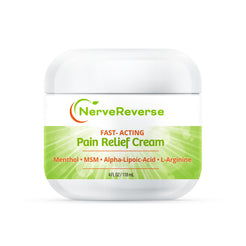
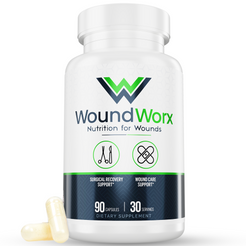
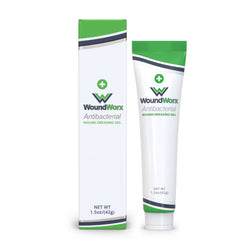
This is why at-home support should complement, not replace, professional wound care. A purpose-built nutritional formula may help address recovery-related nutrient needs, while appropriate topical products can support the surrounding skin. But no supplement, cream, or dressing should be used as a reason to delay care for a wound that is not improving.
When to call a healthcare professional
A wound should be assessed quickly if you notice spreading redness, increasing warmth or swelling, pus-like or foul-smelling drainage, fever, red streaks, worsening pain, black or gray tissue, or wound edges that are separating. Seek urgent care for heavy bleeding that does not stop with direct pressure, a deep puncture, a bite, or an injury involving a dirty or rusty object.
Call sooner rather than later if you have diabetes, poor circulation, neuropathy, kidney disease, immune suppression, or a history of foot ulcers. A small wound can change quickly when you cannot fully feel pain or pressure.
For a surgical incision, contact your surgeon’s office if drainage increases after it had been decreasing, the incision opens, or you develop new redness or pain. Your care team knows the procedure and can tell you what is expected for your recovery.
Support healing without overcomplicating it
The most effective routine is usually the one you can follow every day: keep the wound clean and protected according to medical instructions, take pressure off the area when advised, eat enough protein and nourishing foods, stay hydrated, and avoid tobacco. Keep follow-up appointments, even when a wound appears better.
Recovery can feel frustrating when progress is slow, especially when pain, numbness, or limited mobility already affects your routine. Look for small signs of forward movement, but trust your instincts when something changes. Getting a wound checked early can protect your comfort, mobility, and confidence in the weeks ahead.