For podiatrists & clinicians · Ingredient research

The Science Behind Our Formulas

Every Free Life Labs formula lists named ingredients at stated doses. This page gathers the published research on each ingredient, sorted strongest-evidence first and linked to PubMed, so you can review it before you dispense or recommend.

Summaries of published ingredient research for clinician reference; not product trials unless stated.

5products
34ingredients
227PubMed studies
157RCTs & meta-analyses / SRs

New: MTHFR, methylation & homocysteine deep-dive →

How to read this page

Ingredient evidence, strongest first

  • Ingredient research, not product trials. Studies test an ingredient, often at a different dose, form or route, not a Free Life Labs formula.
  • Sorted by study design. Each ingredient lists meta-analyses and systematic reviews first, then randomized trials, clinical and observational studies, reviews, and animal or in-vitro work. The top three appear first; “Show all” lists the rest.
  • Null and mixed results included. Where large trials or Cochrane reviews found little or no effect, they are listed too.
  • Doses matter. Dose panels compare the label dose with the doses studied.
  • Abstract-based summaries. Each summary paraphrases the study’s PubMed abstract. Follow the link to read the record.
Study-type badges
  • Meta-analysisPools the results of several trials statistically.
  • Systematic reviewStructured search and appraisal of all eligible studies.
  • RCTParticipants randomly assigned to the ingredient or a control.
  • Clinical studyHuman study without randomization (open-label, crossover, PK).
  • ObservationalAssociations in people (cross-sectional, case-control, cohort); not cause and effect.
  • Genetic / lab studyGenotype and enzyme-activity research.
  • ReviewNarrative summary of the literature.
  • Animal studyLaboratory animals; may not translate to people.
  • In vitroCells or bacteria in the lab.
Evidence mix across this page · 227 PubMed records
  • 64 Meta-analyses & systematic reviews
  • 93 Randomized trials
  • 37 Clinical & observational
  • 25 Reviews, letters & case reports
  • 8 Animal & in-vitro
  • 1 Not in PubMed
Nerve Health

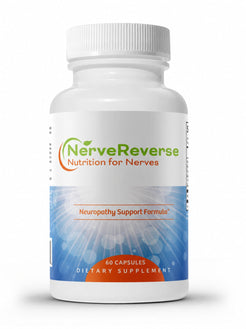
NerveReverse Neuropathy Support Formula

Dietary supplement · 2 capsules daily (1 capsule twice daily with food)

Formulated with 600 mg alpha-lipoic acid and 300 mg benfotiamine per day, plus methylated B vitamins in active forms and vitamin D3. Clinical doses, named forms, no proprietary blend. Made in an FDA-registered, cGMP facility and third-party tested.

6 ingredients · 87 studies referencedView product page →MTHFR & homocysteine deep-dive ↓
  • 22 Meta-analyses & systematic reviews
  • 32 Randomized trials
  • 22 Clinical & observational
  • 6 Reviews, letters & case reports
  • 4 Animal & in-vitro
  • 1 Not in PubMed
Key studies
RCT2006

Oral ALA dose-ranging (SYDNEY 2)

181 patients with diabetic polyneuropathy took ALA 600, 1,200 or 1,800 mg or placebo once daily for 5 weeks. Total Symptom Score fell by 51%, 48% and 52% vs 32% on placebo. Nausea, vomiting and vertigo rose with dose, and the authors judged 600 mg once daily the best risk-to-benefit dose.

Ziegler D et al. · Diabetes Care · 2006 · PMID 17065669PubMed
RCT2011

Four years of ALA 600 mg (NATHAN 1)

460 patients with mild-to-moderate DSPN, randomized. The primary composite end point did not differ. NIS and NIS-LL impairment scores favored ALA, with more patients improving and fewer progressing. Serious adverse events were 38.1% vs 28.0% on placebo.

Ziegler D et al. · Diabetes Care · 2011 · PMID 21775755PubMed
RCT2021

Methylcobalamin 1 mg/day for 1 year

90 people with type 2 diabetes on long-term metformin and B12 <400 pmol/L. B12 rose to ~777 pmol/L, and nerve conduction, VPT, sudomotor function, pain and QoL improved vs placebo. Autonomic reflex tests did not change significantly.

Didangelos T et al. · Nutrients · 2021 · PMID 33513879PubMed
RCT2013

L-methylfolate + methylcobalamin + P-5-P

214 patients with type 2 diabetes, randomized for 24 weeks, took a combination at 3 mg / 2 mg / 35 mg. VPT (primary end point) did not change. NTSS-6 symptom scores improved at weeks 16 and 24, and homocysteine fell 2.7 µmol/L vs a 0.5 rise on placebo.

Fonseca VA et al. · Am J Med · 2013 · PMID 23218892PubMed
Dose check

Our dose vs. studied doses

Doses, routes and durations are taken from each study’s PubMed abstract. Where a study used a different dose, form or route, the comparison is shown as-is.

Alpha-lipoic acidOurs: 600 mg/day oral
StudyDose / route studiedDurationAbstract finding
RCT SYDNEY 2 RCT600 / 1,200 / 1,800 mg oral5 weeksAll doses beat placebo; 600 mg = best risk-benefit
RCT NATHAN 1 RCT600 mg oral4 yearsPrimary end point n.s.; impairment scores favored ALA
Meta-analysis Meta-analysis (4 RCTs)600 mg IV3 weeksSymptoms and deficits improved
RCT ALADIN III RCT600 mg IV → 1,800 mg oral3 wk + 6 moNo meaningful symptom effect; deficits favored ALA
BenfotiamineOurs: 300 mg/day
StudyDose / route studiedDurationAbstract finding
RCT BENDIP RCT300 or 600 mg6 weeksNSS improved (per-protocol); more at 600 mg
RCT BEDIP pilot RCT400 mg3 weeksNeuropathy score improved vs placebo
RCT Fraser RCT (type 1)300 mg24 monthsNo effect on nerve function
RCT Winkler randomized open150 mg; 320 mg (with B-vitamins)6 weeksGreatest change at the higher dose
Methylcobalamin (B12)Ours: 2 mg (2,000 µg)/day
StudyDose / route studiedDurationAbstract finding
RCT Didangelos RCT1,000 µg methylcobalamin12 monthsNerve conduction, pain, QoL improved
RCT Mansour RCT1,000 vs 2,000 µg B1216 weeksSimilar symptom benefit; 2,000 µg added none
RCT Fonseca RCT (combo)2 mg methylcobalamin24 weeksSymptoms improved; VPT unchanged
L-methylfolate · P-5-POurs: 2 mg · 30 mg/day
StudyDose / route studiedDurationAbstract finding
RCT Fonseca RCT (combo)3 mg L-methylfolate · 35 mg P-5-P24 weeksNTSS-6 improved; homocysteine fell
Clinical study Walker open-label3 mg · 35 mg (twice daily × 4 wk, then once daily)1 yearCutaneous sensitivity improved
RCT Levin RCT (B6 alone)Pyridoxine HCl 150 mg4 monthsSimilar to placebo
Vitamin D3Ours: 5,000 IU/day (≈35,000 IU/week)
StudyDose / route studiedDurationAbstract finding
RCT Karonova RCT5,000 vs 40,000 IU/week24 weeksBenefits at 40,000/week only
Clinical study Basit open-label600,000 IU single IM dose20 weeksPain scores fell
Clinical study Shehab trialOral D3 once weekly8 weeksNSS improved; NDS and NCS unchanged

Ingredient research — published studies on each ingredient, not trials of this formula.

600 mgAlpha-lipoic acid15 studies

An antioxidant studied in research on sensory discomfort tied to diabetic nerve challenges, and for oxidative stress around nerves.

Mechanism studied: Antioxidant; reviews attribute its effects in DSPN to lower oxidative stress and better microcirculation. Hsieh 2023

Strongest study designs first · top 3 shown

  • Meta-analysis Meta-analysis of 4 RCTs (n=1,258): 600 mg/day IV ALA for 3 weeks in symptomatic diabetic polyneuropathy.

    Ziegler D et al. · Diabet Med · 2004 · PMID 14984445PubMed
  • Meta-analysis Meta-analysis of 10 RCTs (1,242 patients) of oral ALA: favorable for Total Symptom Score (dose-related trend), NDS and global satisfaction; not for VAS, VPT, NIS-LL or nerve conduction.

    Hsieh RY et al. · Nutrients · 2023 · PMID 37630823PubMed
  • Meta-analysis Meta-analysis of RCTs: IV ALA 600 mg/day for 3 weeks gave a significant, clinically relevant reduction in neuropathic pain; whether oral >600 mg/day for 3–5 weeks is clinically relevant was unclear.

    Mijnhout GS et al. · Int J Endocrinol · 2012 · PMID 22331979PubMed
Show all 15 studies (+12 more)
  • Meta-analysis Systematic review/meta-analysis: IV ALA 300–600 mg/day for 2–4 weeks improved nerve conduction velocity and positive symptoms; most included studies were of poor methodological quality.

    Han T et al. · Eur J Endocrinol · 2012 · PMID 22837391PubMed
  • Systematic review Cochrane systematic review: ALA probably has little or no effect on neuropathy symptoms or adverse events at six months; all included studies at high risk of attrition bias.

    Baicus C et al. · Cochrane Database Syst Rev · 2024 · PMID 38205823PubMed
  • RCT NATHAN 1 RCT (n=460, 4 years): oral ALA 600 mg/day did not change the primary composite end point; neuropathic-impairment scores (NIS, NIS-LL) favored ALA. Serious adverse events 38.1% vs 28.0% on placebo.

    Ziegler D et al. · Diabetes Care · 2011 · PMID 21775755PubMed
  • RCT SYDNEY 2 RCT (n=181, 5 weeks): oral ALA 600, 1,200 or 1,800 mg once daily each improved Total Symptom Score vs placebo (−51%, −48%, −52% vs −32%); authors judged 600 mg once daily the best risk-to-benefit dose.

    Ziegler D et al. · Diabetes Care · 2006 · PMID 17065669PubMed
  • RCT ALADIN III RCT (n=509): 3 weeks IV then 6 months oral ALA had no clinically meaningful effect on symptoms vs placebo, with a favorable effect on neuropathic deficits.

    Ziegler D et al. · Diabetes Care · 1999 · PMID 10480774PubMed
  • RCT RCT (n=40, 2 weeks): methylcobalamin and ALA both reduced neuropathy scores; ALA reduced burning and pain more, methylcobalamin slightly more for numbness and paresthesia.

    Han Y et al. · Minerva Endocrinol · 2018 · PMID 27901334PubMed
  • RCT RCT (chemotherapy-induced neuropathy): oral ALA did not prevent oxaliplatin/cisplatin neurotoxicity; high attrition limited feasibility.

    Guo Y et al. · Support Care Cancer · 2014 · PMID 24362907PubMed
  • RCT ISLAND RCT: lipoic acid 300 mg/day improved endothelial function and inflammation markers in metabolic syndrome.

    Sola S et al. · Circulation · 2005 · PMID 15655130PubMed
  • RCT SYDNEY RCT: IV ALA rapidly improved positive neuropathic sensory symptoms such as pain.

    Ametov AS et al. · Diabetes Care · 2003 · PMID 12610036PubMed
  • RCT DEKAN RCT: 800 mg/day oral ALA for 4 months in cardiac autonomic neuropathy (heart-rate variability) in type 2 diabetes.

    Ziegler D et al. · Diabetes Care · 1997 · PMID 9051389PubMed
  • RCT ALADIN RCT (3 weeks IV): ALA 600 mg/day was superior to placebo for symptoms; adverse events were more frequent at 1,200 mg (32.6%) than 600 mg (18.2%).

    Ziegler D et al. · Diabetologia · 1995 · PMID 8786016PubMed
  • Animal study Animal study: ALA and nerve conduction / endoneurial blood flow in diabetic rats.

    Cameron NE et al. · Diabetologia · 1998 · PMID 9562342PubMed
300 mgBenfotiamine (B1)14 studies

A fat-soluble form of B1 (a thiamine prodrug) studied for higher bioavailability than standard thiamine: in a pharmacokinetic study, oral benfotiamine produced much higher plasma thiamine bioavailability than thiamine hydrochloride. Trials have used 150–600 mg/day, with mixed results over longer follow-up.

Mechanism studied: Lipid-soluble thiamine prodrug with higher bioavailability than thiamine HCl. In diabetic rats it inhibited nerve AGE formation (animal data). Xie 2014Stracke 2001

Strongest study designs first · top 3 shown

  • Meta-analysis Review and meta-analysis: B-vitamin supplementation may improve some neuropathy scores and sural nerve function in DPN; pain and motor-nerve effects inconsistent; heterogeneity precludes firm recommendations.

    Mandra EV et al. · J Clin Med · 2026 · PMID 42452619PubMed
  • Systematic review Cochrane review (vitamin B for peripheral neuropathy): limited randomised data, insufficient to determine benefit or harm; one small alcoholic-neuropathy trial favored oral benfotiamine for vibration threshold over 8 weeks.

    Ang CD et al. · Cochrane Database Syst Rev · 2008 · PMID 18646107PubMed
  • RCT 24-month RCT in type 1 diabetes (n=67): benfotiamine 300 mg/day raised blood thiamine but had no significant effect on peripheral nerve function or inflammatory markers.

    Fraser DA et al. · Diabetes Care · 2012 · PMID 22446172PubMed
Show all 14 studies (+11 more)
  • RCT BENDIP RCT (165 randomised, 6 weeks): benfotiamine 300 or 600 mg/day; Neuropathy Symptom Score improved in the per-protocol population (ITT p=0.055), more at the higher dose; Total Symptom Score did not differ.

    Stracke H et al. · Exp Clin Endocrinol Diabetes · 2008 · PMID 18473286PubMed
  • RCT BEDIP 3-week randomized pilot (n=40): benfotiamine 400 mg/day improved the neuropathy score vs placebo (p=0.029), most for pain; vibration (tuning-fork) test unchanged.

    Haupt E et al. · Int J Clin Pharmacol Ther · 2005 · PMID 15726875PubMed
  • RCT Study on different benfotiamine dosage regimens in diabetic neuropathy research.

    Winkler G et al. · Arzneimittelforschung · 1999 · PMID 10219465PubMed
  • RCT 12-month phase II RCT in type 2 diabetes with mild-to-moderate symptomatic DSPN: benfotiamine was well tolerated but had no significant effect on morphometric, neurophysiological or clinical neuropathy measures.

    Ziegler D et al. · BMJ Open Diabetes Res Care · 2026 · PMID 41571333PubMed
  • RCT Phase I single- and multiple-ascending-dose study in healthy subjects: benfotiamine was safe and well tolerated.

    Sheng L et al. · Drug Des Devel Ther · 2021 · PMID 33727798PubMed
  • RCT Pharmacokinetic study: oral benfotiamine gave much higher plasma thiamine (~1,147%) and erythrocyte TDP (~196%) bioavailability than thiamine hydrochloride.

    Xie F et al. · J Clin Pharmacol · 2014 · PMID 24399744PubMed
  • RCT BAP I RCT: benfotiamine studied in alcoholic polyneuropathy over 8 weeks.

    Woelk H et al. · Alcohol Alcohol · 1998 · PMID 9872352PubMed
  • RCT Benfotiamine–vitamin B combination studied in diabetic polyneuropathy research.

    Stracke H et al. · Exp Clin Endocrinol Diabetes · 1996 · PMID 8886748PubMed
  • Clinical study Benfotiamine studied in diabetic polyneuropathy research.

    Nikolić A et al. · Srp Arh Celok Lek · 2009 · PMID 20069914PubMed
  • Animal study Benfotiamine’s pharmacological profile vs thiamine disulfides.

    Volvert ML et al. · BMC Pharmacol · 2008 · PMID 18549472PubMed
  • Animal study Animal study (diabetic rats): benfotiamine, but not thiamine, improved nerve function measures and inhibited neural AGE formation.

    Stracke H et al. · Exp Clin Endocrinol Diabetes · 2001 · PMID 11571671PubMed
2 mgMethylcobalamin (B12)14 studies

An active form of B12. Observational studies and trials link diabetes and long-term metformin use to lower B12 status, and B12 deficiency is associated with neuropathy measures.

Mechanism studied: Cofactor for homocysteine remethylation to methionine; proposed nerve mechanisms include myelination, nerve regeneration and reduced ectopic firing. Selhub 1999Julian 2020

Strongest study designs first · top 3 shown

  • Meta-analysis Systematic review/meta-analysis of RCTs: mecobalamin in combination may improve clinical efficacy and nerve conduction; evidence for mecobalamin alone is not clear.

    Sawangjit R et al. · J Altern Complement Med · 2020 · PMID 32716261PubMed
  • Meta-analysis Meta-analysis of 31 studies: metformin associated with lower B12 and higher risk of deficiency (RR 2.09), dose- and duration-dependent; no significant association with anemia or neuropathy prevalence.

    Yang W et al. · J Diabetes · 2019 · PMID 30615306PubMed
  • Meta-analysis Systematic review/meta-analysis of 6 RCTs: metformin lowered serum B12 vs comparators, with a larger drop at ≥2,000 mg/day.

    Liu Q et al. · PLoS One · 2014 · PMID 24959880PubMed
Show all 14 studies (+11 more)
  • Systematic review Systematic review (24 articles): some evidence for B12 in post-herpetic neuralgia (level II) and painful peripheral neuropathy (level III).

    Julian T et al. · Nutrients · 2020 · PMID 32722436PubMed
  • RCT RCT in DPN with low serum B12: 16 weeks of 1,000 µg or 2,000 µg/day oral B12 improved neuropathic symptoms similarly; 2,000 µg added no further neuropathic benefit.

    Mansour A et al. · J Nutr · 2026 · PMID 41548600PubMed
  • RCT 1-year RCT (n=90, type 2 diabetes on metformin ≥4 years, B12 <400 pmol/L): oral methylcobalamin 1 mg/day raised B12 and improved nerve conduction, VPT, sudomotor function, pain and QoL; autonomic tests and MNSIE did not improve significantly.

    Didangelos T et al. · Nutrients · 2021 · PMID 33513879PubMed
  • RCT Multicenter RCT (24 weeks): acetyl-L-carnitine was as effective as methylcobalamin (the active comparator) on symptoms and neurophysiology in DPN.

    Li S et al. · J Diabetes Investig · 2016 · PMID 27180954PubMed
  • RCT DPP/DPPOS secondary analysis of an RCT: long-term metformin use was associated with biochemical B12 deficiency and anemia.

    Aroda VR et al. · J Clin Endocrinol Metab · 2016 · PMID 26900641PubMed
  • RCT RCT (n=390 on insulin, 4.3 years): metformin 850 mg three times daily lowered B12 by 19% vs placebo and raised the absolute risk of B12 deficiency by 7.2 points; authors link the deficiency to raised homocysteine.

    de Jager J et al. · BMJ · 2010 · PMID 20488910PubMed
  • RCT Double-blind study: methylcobalamin improved somatic and autonomic symptoms in diabetic neuropathy; nerve conduction did not change at 4 months.

    Yaqub BA et al. · Clin Neurol Neurosurg · 1992 · PMID 1324807PubMed
  • Observational B12/folate deficiency linked to higher homocysteine and oxidative stress.

    Al-Maskari MY et al. · Nutrition · 2012 · PMID 22595450PubMed
  • Observational Functional B12 deficiency (high MMA) was common in older adults with diabetes; neuropathy was present in 62% with high MMA vs 18% with normal MMA, and B12 therapy improved MMA in 88%.

    Solomon LR et al. · Diabetes Care · 2011 · PMID 21421801PubMed
  • Observational Metformin use was associated with lower B12, higher MMA/homocysteine, and more severe neuropathy measures.

    Wile DJ et al. · Diabetes Care · 2010 · PMID 19846797PubMed
  • Not in PubMed 24-week study using 1500 mcg methylcobalamin daily.

    Dominguez JC et al. · J Diabetes Mellitus · 2012 · not indexed in PubMedPublisher PDF
2 mgL-Methylfolate (B9)10 studies

L-methylfolate (5-MTHF) is the active form of folate the body uses directly and its main circulating form; it is not folic acid. The MTHFR enzyme makes 5-MTHF, and common MTHFR variants (C677T, A1298C) have been linked to reduced enzyme activity, which reduces the ability to make 5-MTHF. Supplemental 5-MTHF is already past that step. See the methylation deep-dive below.

Mechanism studied: 5-MTHF is the predominant circulating folate and the carbon donor for remethylating homocysteine to methionine. Frosst 1995

Strongest study designs first · top 3 shown

  • RCT Multicenter RCT (n=214, 24 weeks): L-methylfolate 3 mg + methylcobalamin 2 mg + P-5-P 35 mg did not change VPT (primary end point) but improved NTSS-6 symptom scores at weeks 16 and 24 and lowered homocysteine (−2.7 vs +0.5 µmol/L).

    Fonseca VA et al. · Am J Med · 2013 · PMID 23218892PubMed
  • RCT RCT in older adults (n=40, 4 weeks): 400 µg/day folic acid or equimolar [6S]-5-MTHF both lowered homocysteine (−13.4% vs −7.8%; difference not significant).

    Sicińska E et al. · Int J Food Sci Nutr · 2018 · PMID 28460586PubMed
  • RCT MTHF raises plasma folate better than folic acid in MTHFR variants.

    Prinz-Langenohl R et al. · Br J Pharmacol · 2009 · PMID 19917061PubMed
Show all 10 studies (+7 more)
  • RCT Low-dose L-MTHF equals or beats folic acid for lowering homocysteine.

    Venn BJ et al. · Am J Clin Nutr · 2003 · PMID 12600857PubMed
  • Clinical study Folic acid handling by the human gut.

    Patanwala I et al. · Am J Clin Nutr · 2014 · PMID 24944062PubMed
  • Observational Cross-sectional analysis in hypertensive adults: serum 5-MTHF was inversely associated with homocysteine at ≤10 ng/mL, and the association was modified by MTHFR C677T genotype.

    Cheng Y et al. · Nutr J · 2022 · PMID 35562805PubMed
  • Observational 5-MTHF + methylcobalamin + P-5-P studied in diabetic peripheral neuropathy research.

    Trippe BS et al. · Curr Med Res Opin · 2016 · PMID 26439233PubMed
  • Review Narrative review of preclinical and clinical data on L-methylfolate (in a combination B-vitamin medical food) in DPN, including MTHFR C677T literature.

    Christofides EA et al. · Endocr Pract · 2023 · PMID 37088147PubMed
  • Review Folate, folic acid, and 5-MTHF are not the same.

    Scaglione F et al. · Xenobiotica · 2014 · PMID 24494987PubMed
  • Animal study Animal study (ZDF rats): the L-methylfolate/P-5-P/methylcobalamin combination at a human-equivalent dose improved sensory nerve conduction, hypoalgesia and intraepidermal nerve fiber density.

    Shevalye H et al. · Diabetes · 2012 · PMID 22751692PubMed
30 mgP-5-P (B6)8 studies

B6 already in its active form. With methyl-B12 and L-methylfolate, it’s the trio studied in small-fiber nerve research.

Mechanism studied: Pyridoxal-5′-phosphate is the cofactor for transsulfuration of homocysteine to cystathionine. Very high B6 intakes are linked to neuropathy. Selhub 1999Muhamad 2023

Strongest study designs first · top 3 shown

  • Meta-analysis Systematic review/meta-analysis (46 observational, 7 interventional studies): neuropathy associated with lower B12 and higher MMA and homocysteine; pooled B-vitamin treatment effects were non-significant.

    Stein J et al. · Eur J Neurol · 2021 · PMID 33619867PubMed
  • Systematic review Systematic review: evidence supports a neurotoxic role of B6 at high levels; low B6 may also be a risk factor—dose context for B6.

    Muhamad R et al. · Nutrients · 2023 · PMID 37447150PubMed
  • RCT Multicenter RCT (n=214, 24 weeks): the combination with P-5-P 35 mg improved NTSS-6 symptom scores (VPT unchanged); improvement was inversely related to baseline PLP.

    Fonseca VA et al. · Am J Med · 2013 · PMID 23218892PubMed
Show all 8 studies (+5 more)
  • RCT Double-blind RCT (n=18, 4 months): pyridoxine 50 mg three times daily gave symptom relief at a similar rate to placebo (6/9 vs 4/9); nerve conduction unchanged.

    Levin ER et al. · Diabetes Care · 1981 · PMID 6751736PubMed
  • RCT Study on thiamine and pyridoxine in diabetic peripheral neuropathy research.

    Abbas ZG et al. · East Afr Med J · 1997 · PMID 9557427PubMed
  • Clinical study That combination studied for cutaneous sensitivity in diabetic neuropathy research.

    Walker MJ Jr et al. · Rev Neurol Dis · 2010 · PMID 21206429PubMed
  • Clinical study L-methylfolate + methylcobalamin + P-5-P in diabetic small-fiber nerve research.

    Jacobs AM et al. · Rev Neurol Dis · 2011 · PMID 21769070PubMed
  • Review Review of proposed mechanisms of pyridoxine (B6)-induced peripheral neuropathy—safety context for high-dose B6.

    Hadtstein F et al. · Adv Nutr · 2021 · PMID 33912895PubMed
5000 IUVitamin D311 studies

Research found 81% of people with neuropathy were vitamin D deficient, versus 60% without. High-dose D3 has been studied alongside diabetic nerve discomfort.

Mechanism studied: Observational meta-analyses link low 25(OH)D with DPN. One RCT reported microcirculation and inflammatory-marker changes at 40,000 IU/week. Yammine 2022Karonova 2020

Strongest study designs first · top 3 shown

  • Meta-analysis Meta-analysis of RCTs (4 trials, n=320): vitamin D reduced short-term pain in painful diabetic neuropathy vs placebo (SMD −0.85); small, variable-quality trials, so authors call for larger RCTs before routine use.

    Gilbody A et al. · Endocrinol Diabetes Metab · 2025 · PMID 41139799PubMed
  • Meta-analysis Meta-analysis: vitamin D deficiency was more prevalent in diabetic patients with neuropathy (pooled OR 1.84 fixed-effects; 2.87 random-effects).

    Yammine K et al. · Br J Nutr · 2022 · PMID 34024290PubMed
  • Meta-analysis Systematic review/meta-analysis: lower 25(OH)D was associated with type 2 DPN; more high-quality research needed.

    Zhang B et al. · Medicine (Baltimore) · 2019 · PMID 31770239PubMed
Show all 11 studies (+8 more)
  • Meta-analysis Systematic review/meta-analysis: vitamin D deficiency is very likely associated with DPN in type 2 diabetes; further validation needed.

    Lv WS et al. · J Endocrinol Invest · 2015 · PMID 25527161PubMed
  • Systematic review Systematic review: vitamin D supplementation could add value in painful DPN; pain improvement may relate to the vitamin D level attained.

    Yammine K et al. · Clin Nutr · 2020 · PMID 32089370PubMed
  • RCT RCT (n=67, 24 weeks): cholecalciferol 40,000 IU/week improved neuropathy scores, cutaneous microcirculation and IL-6/IL-10; no changes with 5,000 IU/week.

    Karonova T et al. · Nutrients · 2020 · PMID 32825324PubMed
  • Clinical study High-dose vitamin D studied alongside diabetic neuropathy discomfort.

    Basit A et al. · BMJ Open Diabetes Res Care · 2016 · PMID 27026808PubMed
  • Clinical study Vitamin D3 supplementation studied in neuropathy research.

    Shehab D et al. · Med Princ Pract · 2015 · PMID 25720672PubMed
  • Observational 81% with neuropathy were vitamin D deficient vs 60% without in one study.

    Shehab D et al. · Diabet Med · 2012 · PMID 22050401PubMed
  • Observational NHANES 2001–2004 analysis (n=591 adults with diabetes): vitamin D insufficiency and peripheral neuropathy.

    Soderstrom LH et al. · Diabet Med · 2012 · PMID 21726279PubMed
  • Research letter Type 2 diabetics had lower pain scores after 3 months of vitamin D.

    Lee P et al. · Arch Intern Med · 2008 · PMID 18413561PubMed
Clinician deep-dive

MTHFR, methylation & homocysteine

Why the formula uses L-methylfolate, methylcobalamin and P-5-P, and what published studies do and do not show. Each statement summarizes a PubMed abstract and links to it.

Folate, methionine and transsulfuration pathwaysFolic acid is reduced by DHFR to THF. THF becomes 5,10-methylene-THF, which MTHFR converts to 5-MTHF (L-methylfolate); common MTHFR variants C677T and A1298C are associated with reduced activity. 5-MTHF donates a methyl group via methionine synthase, which uses methylcobalamin (B12), converting homocysteine to methionine and regenerating THF. Methionine forms SAM, which donates methyl groups and becomes SAH, then homocysteine. Homocysteine can also leave the cycle through transsulfuration to cystathionine via CBS, which requires P-5-P (vitamin B6).FOLATE CYCLEMETHIONINE CYCLEDHFR (via DHF)MTHFRC677T · A1298C:reduced activitymethyl groupTHF regeneratedremethylationmethyl donor formethylation reactionstranssulfurationCBS + P-5-P (B6)Folic acidsynthetic formTHF5,10-methylene-THF5-MTHFL-methylfolateMethioninesynthase+ methyl-B12MethionineSAMSAHHomocysteineCystathionine→ cysteine
Folate, methionine and transsulfuration pathwaysFolic acid is reduced by DHFR to THF. THF becomes 5,10-methylene-THF, which MTHFR converts to 5-MTHF (L-methylfolate); common MTHFR variants C677T and A1298C are associated with reduced activity. 5-MTHF donates a methyl group via methionine synthase, which uses methylcobalamin (B12), converting homocysteine to methionine and regenerating THF. Methionine forms SAM, which donates methyl groups and becomes SAH, then homocysteine. Homocysteine can also leave the cycle through transsulfuration to cystathionine via CBS, which requires P-5-P (vitamin B6).DHFRMTHFRC677T · A1298C:reduced activityTHFregeneratedremethylationmethyl donortranssulfurationCBS + P-5-P (B6)Folic acidsynthetic formTHF5,10-methylene-THF5-MTHFL-methylfolateMethioninesynthase+ methyl-B12MethionineSAMSAHHomocysteineCystathionine→ cysteine
Forms in NerveReverse Formula: L-methylfolate (5-MTHF) 2 mg · methylcobalamin 2 mg · P-5-P 30 mg. MTHFR variants. Simplified diagram; sources: Selhub 1999Finkelstein 1998Frosst 1995Patanwala 2014
~38%of unselected chromosomes carried MTHFR C677T in the original reportFrosst 1995
~60%of control MTHFR activity in A1298C homozygotes (lymphocytes)Weisberg 1998
−19%B12 vs placebo after 4.3 years of metformin in an RCTde Jager 2010
−2.7 µmol/Lhomocysteine change with L-methylfolate + methylcobalamin + P-5-P vs +0.5 on placebo (24 wk)Fonseca 2013
The folate–methylation cycle
  • MTHFR converts 5,10-methylenetetrahydrofolate to 5-methyltetrahydrofolate (5-MTHF). 5-MTHF is the predominant circulating form of folate and the carbon donor for remethylating homocysteine to methionine. Frosst 1995
  • Homocysteine sits at the junction of two pathways: remethylation to methionine, which needs folate and vitamin B12, and transsulfuration to cystathionine, which needs pyridoxal-5′-phosphate (P-5-P). S-adenosylmethionine coordinates the two. Selhub 1999Finkelstein 1998
  • Mild fasting hyperhomocysteinemia is attributed to impaired methylation (folate or B12 deficiency, or MTHFR thermolability). Post-methionine-load elevation may reflect B6 deficiency, among other causes. Selhub 1999
Folic acid vs L-methylfolate (5-MTHF)
  • In a portal-vein sampling study, 80% of labeled folate in the portal vein 15 minutes after a folic-acid dose was still unmodified folic acid. Reduced folates were almost fully converted to 5-MTHF. The authors attribute this to limited gut DHFR capacity. Patanwala 2014
  • In a randomized crossover study, [6S]-5-MTHF raised plasma folate more than folic acid in women with both the MTHFR 677 TT and CC genotypes. Unmetabolized folic acid appeared regularly after folic acid but rarely after 5-MTHF. Prinz-Langenohl 2009
  • Homocysteine lowering: in one 24-week RCT, low-dose L-5-MTHF was at least as effective as folic acid. In a 4-week RCT in older adults, the two lowered homocysteine similarly. Venn 2003Sicińska 2018
  • A review notes that 5-MTHF bypasses the metabolic step affected by MTHFR polymorphism and avoids unmetabolized folic acid in circulation. Scaglione 2014
MTHFR C677T and A1298C
  • C677T was found on about 38% of unselected chromosomes. Carrying it correlated with reduced, thermolabile enzyme activity, and TT homozygotes had significantly higher plasma homocysteine. Frosst 1995
  • A1298C was also linked to decreased activity: homozygotes had about 60% of control activity. Compound C677T/A1298C heterozygotes had 50–60%. Weisberg 1998
  • In a separate cohort, A1298C alone did not raise homocysteine, but combined heterozygosity with C677T was associated with higher homocysteine and lower plasma folate. van der Put 1998
Homocysteine and neuropathy measures
  • A meta-analysis of 6 studies (603 DPN patients, 687 controls) found higher serum homocysteine in DPN. Zheng 2015
  • In cross-sectional type 2 diabetes cohorts, homocysteine was independently associated with neuropathy prevalence and severity. In one cohort, each 1 µmol/L rise meant a 23% higher risk by NDS. Ambrosch 2001González 2012Jianbo 2011
  • In the ABCD trial cohort, homocysteine was associated with autonomic neuropathy but not with distal sensorimotor neuropathy. Cohen 2001
  • A systematic review and meta-analysis linked peripheral neuropathy with lower B12 and higher methylmalonic acid and homocysteine. Stein 2021
  • Not all studies agree: in metformin-treated type 2 outpatients, homocysteine, folate, B12 and MTHFR C677T were not associated with DPN. Russo 2016
MTHFR variants and neuropathy
  • One meta-analysis associated MTHFR 677 C>T with DPN (allele-model OR 1.43), with subgroup analysis pointing mainly to Turkish populations. A Turkish case-control study (230 DPN, 282 controls) also reported an association. Wu 2017Yigit 2013
  • A broader genetics meta-analysis with trial sequential analysis found MTHFR 1298A/C, but not C677T, associated with diabetic neuropathy. Zhao 2019
  • These are population associations with inconsistent results across studies. They do not show that genotype predicts an individual’s neuropathy or response to any supplement. Zhao 2019Russo 2016
Metformin, B12 and homocysteine
  • RCTs in insulin-treated type 2 diabetes: metformin lowered folate and B12 with a modest homocysteine rise at 16 weeks, and over 4.3 years lowered B12 by 19% and raised deficiency risk. Wulffelé 2003de Jager 2010
  • A meta-analysis of RCTs found metformin raised homocysteine when no folic acid or B vitamins were given, but not when they were. Zhang 2016
  • In a case-control study, metformin exposure was associated with lower B12, higher MMA and homocysteine, and more severe neuropathy measures. A 31-study meta-analysis confirmed lower B12 but found no significant association with neuropathy prevalence. Wile 2010Yang 2019
Combined L-methylfolate + methylcobalamin + P-5-P studies
  • Double-blind RCT, 214 patients, 24 weeks, 3 mg / 2 mg / 35 mg: no change in VPT, the primary end point. NTSS-6 symptom scores improved, and homocysteine fell 2.7 µmol/L vs +0.5 on placebo. Fonseca 2013
  • Open-label and real-world studies reported improved cutaneous sensitivity over 1 year (n=20), higher calf epidermal nerve fiber density in 73% of patients (n=11) and a 35% lower NTSS-6 at 12 weeks by survey (n=544). All were uncontrolled. Walker 2010Jacobs 2011Trippe 2016
  • In diabetic rats, the combination at a human-equivalent dose improved sensory nerve conduction and intraepidermal nerve fiber density (animal data). Shevalye 2012
All 30 studies cited in this panel (strongest first)
  • Meta-analysis Association between neuropathy and B-vitamins: A systematic review and meta-analysis

    Stein J et al. · Eur J Neurol · 2021 · PMID 33619867PubMed
  • Meta-analysis Genetics of diabetic neuropathy: Systematic review, meta-analysis and trial sequential analysis

    Zhao Y et al. · Ann Clin Transl Neurol · 2019 · PMID 31557408PubMed
  • Meta-analysis Associations between metformin use and vitamin B12 levels, anemia, and neuropathy in patients with diabetes: a meta-analysis

    Yang W et al. · J Diabetes · 2019 · PMID 30615306PubMed
  • Meta-analysis Effects of Common Polymorphisms in the MTHFR and ACE Genes on Diabetic Peripheral Neuropathy Progression: a Meta-Analysis

    Wu S et al. · Mol Neurobiol · 2017 · PMID 26971290PubMed
  • Meta-analysis Metformin Treatment and Homocysteine: A Systematic Review and Meta-Analysis of Randomized Controlled Trials

    Zhang Q et al. · Nutrients · 2016 · PMID 27941660PubMed
  • Meta-analysis Elevated serum homocysteine level in the development of diabetic peripheral neuropathy

    Zheng LQ et al. · Genet Mol Res · 2015 · PMID 26634502PubMed
  • RCT Metanx in type 2 diabetes with peripheral neuropathy: a randomized trial

    Fonseca VA et al. · Am J Med · 2013 · PMID 23218892PubMed
  • RCT Supplementation with [6S]-5-methyltetrahydrofolate or folic acid equally reduces serum homocysteine concentrations in older adults

    Sicińska E et al. · Int J Food Sci Nutr · 2018 · PMID 28460586PubMed
  • RCT Long term treatment with metformin in patients with type 2 diabetes and risk of vitamin B-12 deficiency: randomised placebo controlled trial

    de Jager J et al. · BMJ · 2010 · PMID 20488910PubMed
  • RCT [6S]-5-methyltetrahydrofolate increases plasma folate more effectively than folic acid in women with the homozygous or wild-type 677C-->T polymorphism of methylenetetrahydrofolate reductase

    Prinz-Langenohl R et al. · Br J Pharmacol · 2009 · PMID 19917061PubMed
  • RCT Comparison of the effect of low-dose supplementation with L-5-methyltetrahydrofolate or folic acid on plasma homocysteine: a randomized placebo-controlled study

    Venn BJ et al. · Am J Clin Nutr · 2003 · PMID 12600857PubMed
  • RCT Effects of short-term treatment with metformin on serum concentrations of homocysteine, folate and vitamin B12 in type 2 diabetes mellitus: a randomized, placebo-controlled trial

    Wulffelé MG et al. · J Intern Med · 2003 · PMID 14535967PubMed
  • Clinical study Improvement of cutaneous sensitivity in diabetic peripheral neuropathy with combination L-methylfolate, methylcobalamin, and pyridoxal 5'-phosphate

    Walker MJ Jr et al. · Rev Neurol Dis · 2010 · PMID 21206429PubMed
  • Clinical study Folic acid handling by the human gut: implications for food fortification and supplementation

    Patanwala I et al. · Am J Clin Nutr · 2014 · PMID 24944062PubMed
  • Clinical study Management of diabetic small-fiber neuropathy with combination L-methylfolate, methylcobalamin, and pyridoxal 5'-phosphate

    Jacobs AM et al. · Rev Neurol Dis · 2011 · PMID 21769070PubMed
  • Observational Diabetic neuropathy is not associated with homocysteine, folate, vitamin B12 levels, and MTHFR C677T mutation in type 2 diabetic outpatients taking metformin

    Russo GT et al. · J Endocrinol Invest · 2016 · PMID 26233336PubMed
  • Observational Nutritional management of patients with diabetic peripheral neuropathy with L-methylfolate-methylcobalamin-pyridoxal-5-phosphate: results of a real-world patient experience trial

    Trippe BS et al. · Curr Med Res Opin · 2016 · PMID 26439233PubMed
  • Observational Association of MTHFR gene C677T mutation with diabetic peripheral neuropathy and diabetic retinopathy

    Yigit S et al. · Mol Vis · 2013 · PMID 23901246PubMed
  • Observational Plasma homocysteine levels are independently associated with the severity of peripheral polyneuropathy in type 2 diabetic subjects

    González R et al. · J Peripher Nerv Syst · 2012 · PMID 22734904PubMed
  • Observational Association of homocysteine with peripheral neuropathy in Chinese patients with type 2 diabetes

    Jianbo L et al. · Diabetes Res Clin Pract · 2011 · PMID 21481484PubMed
  • Observational Association of metformin, elevated homocysteine, and methylmalonic acid levels and clinically worsened diabetic peripheral neuropathy

    Wile DJ et al. · Diabetes Care · 2010 · PMID 19846797PubMed
  • Observational Relation between homocysteinaemia and diabetic neuropathy in patients with Type 2 diabetes mellitus

    Ambrosch A et al. · Diabet Med · 2001 · PMID 11318838PubMed
  • Observational Increasing homocysteine levels and diabetic autonomic neuropathy

    Cohen JA et al. · Auton Neurosci · 2001 · PMID 11476288PubMed
  • Genetic / lab study A second genetic polymorphism in methylenetetrahydrofolate reductase (MTHFR) associated with decreased enzyme activity

    Weisberg I et al. · Mol Genet Metab · 1998 · PMID 9719624PubMed
  • Genetic / lab study A second common mutation in the methylenetetrahydrofolate reductase gene: an additional risk factor for neural-tube defects?

    van der Put NM et al. · Am J Hum Genet · 1998 · PMID 9545395PubMed
  • Genetic / lab study A candidate genetic risk factor for vascular disease: a common mutation in methylenetetrahydrofolate reductase

    Frosst P et al. · Nat Genet · 1995 · PMID 7647779PubMed
  • Review Folate, folic acid and 5-methyltetrahydrofolate are not the same thing

    Scaglione F et al. · Xenobiotica · 2014 · PMID 24494987PubMed
  • Review Homocysteine metabolism

    Selhub J · Annu Rev Nutr · 1999 · PMID 10448523PubMed
  • Review The metabolism of homocysteine: pathways and regulation

    Finkelstein JD · Eur J Pediatr · 1998 · PMID 9587024PubMed
  • Animal study Metanx alleviates multiple manifestations of peripheral neuropathy and increases intraepidermal nerve fiber density in Zucker diabetic fatty rats

    Shevalye H et al. · Diabetes · 2012 · PMID 22751692PubMed

For clinician reference. These associations come from the cited studies. They are not a basis for diagnosis, and this panel does not recommend genetic testing. NerveReverse Formula is a dietary supplement; the research above is ingredient research, not trials of this formula.

Other ingredients: microcrystalline cellulose, vegetable cellulose (capsule), magnesium stearate, silicon dioxide.

Nerve Health

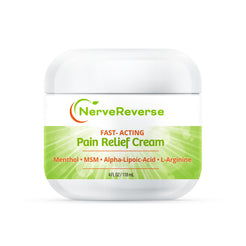
NerveReverse Pain Cream

Topical analgesic · 4% menthol (active) · apply up to 3–4 times daily

A cooling topical analgesic for temporary relief of minor aches and pains, with 4% menthol up front and MSM, alpha-lipoic acid, and L-arginine as supporting ingredients. For external use only.

Regulatory status: FDA-registered OTC drug, made under FDA's OTC monograph for external analgesics, in an FDA-registered cGMP facility.

4 ingredients · 27 studies referencedView product page →
  • 2 Meta-analyses & systematic reviews
  • 17 Randomized trials
  • 6 Clinical & observational
  • 2 Reviews, letters & case reports
Key studies
RCT2024

Topical 1% menthol in chemotherapy neuropathy

60 breast-cancer patients on chemotherapy, randomized: 1% menthol on the hands and feet twice daily vs standard care. CIPN symptoms improved more over 6 weeks with menthol.

Ozdemir D et al. · BMJ Support Palliat Care · 2024 · PMID 39038990PubMed
Clinical study2015

1% menthol cream: proof of concept

51 patients with cancer treatment-related neuropathic pain (mostly CIPN) applied 1% menthol cream twice daily. At 4–6 weeks, 82% of evaluable patients (31/38) had improved Brief Pain Inventory scores. Uncontrolled.

Fallon MT et al. · Support Care Cancer · 2015 · PMID 25680765PubMed
Review2018

How menthol works (review)

Menthol selectively activates TRPM8 channels. As a counter-irritant it cools, then desensitizes nociceptors, and may engage central analgesic pathways. High concentrations may cause cold allodynia.

Pergolizzi JV Jr et al. · J Clin Pharm Ther · 2018 · PMID 29524352PubMed
Dose check

Our dose vs. studied doses

Doses, routes and durations are taken from each study’s PubMed abstract. Where a study used a different dose, form or route, the comparison is shown as-is.

Menthol (active)Ours: 4% topical
StudyDose / route studiedDurationAbstract finding
RCT Ozdemir RCT (CIPN)1%, twice daily6 weeksCIPN symptoms improved vs standard care
Clinical study Fallon open study1% cream, twice daily4–6 weeks82% improved BPI (uncontrolled)
RCT Johar randomized (DOMS)3.5% gelSingle sessionLess discomfort than ice
RCT Dillon RCT (blood flow)5% gelSingle sessionSkin blood flow ↑ at site
RCT Lasanen randomized0.5% / 4.6% / 10% gelSingle session4.6% felt coolest; cooling similar
Clinical study Makibuchi (healthy)10% solutionSingle sessionLower pain-evoked potentials

Ingredient research — much of the supporting-ingredient research is oral or IV, cited as ingredient background, not trials of this cream.

4%Menthol (active)13 studies

The cooling topical analgesic. Research has looked at topical menthol in nerve-related discomfort and musculoskeletal pain, including its action on the TRPM8 cold receptor.

Mechanism studied: Selective TRPM8 activator. Topically it acts as a counter-irritant that cools, then desensitizes nociceptors; it is also vasoactive. Pergolizzi 2018Dillon 2022

Strongest study designs first · top 3 shown

  • RCT RCT of topical menthol for chemotherapy-related neuropathy symptoms.

    Ozdemir D et al. · BMJ Support Palliat Care · 2024 · PMID 39038990PubMed
  • RCT Randomized crossover study (n=15 healthy adults): 5% menthol gel increased skin blood flow at the treated site and modestly across the dermatome, consistent with TRPM8 activation.

    Dillon GA et al. · Microvasc Res · 2022 · PMID 34717968PubMed
  • RCT Randomized study (n=10 healthy men): 0.5%, 4.6% and 10% menthol gels all cooled the skin; concentration did not change skin cooling, but 4.6% felt coolest.

    Lasanen R et al. · Skin Res Technol · 2016 · PMID 25773465PubMed
Show all 13 studies (+10 more)
  • RCT Randomized study (n=16, delayed-onset muscle soreness): 3.5% menthol gel reduced perceived discomfort more than ice and allowed greater evoked force.

    Johar P et al. · Int J Sports Phys Ther · 2012 · PMID 22666646PubMed
  • RCT RCT: a menthol-based topical analgesic reduced pain sensitivity (pressure-pain threshold) similarly whether applied to the upper or lower body.

    Behm DG et al. · J Sport Rehabil · 2022 · PMID 34552033PubMed
  • RCT Randomized human study: topical menthol dose-dependently increased cutaneous blood flow; sensory-nerve inhibition attenuated the effect.

    Craighead DH et al. · Microvasc Res · 2016 · PMID 27131832PubMed
  • RCT Triple-blind RCT: topical menthol vs placebo for chronic arm/hand pain.

    Sundstrup E et al. · Rehabil Res Pract · 2014 · PMID 25298894PubMed
  • Clinical study L-menthol and pain-related somatosensory-evoked potentials.

    Makibuchi T et al. · Brain Sci · 2023 · PMID 37371396PubMed
  • Clinical study Proof-of-concept: topical 1% menthol cream in treatment-related neuropathic pain.

    Fallon MT et al. · Support Care Cancer · 2015 · PMID 25680765PubMed
  • Clinical study 3.5% topical menthol gel studied in knee osteoarthritis functional tasks.

    Topp R et al. · J Geriatr Phys Ther · 2013 · PMID 22976810PubMed
  • Observational Retrospective chart review (n=21, refractory localized neuropathic pain, 71% chemotherapy-induced): menthol cream titrated 1%→10%; 12/21 met the responder criterion at 10%. Exploratory.

    Treillet E et al. · J Pain Palliat Care Pharmacother · 2026 · PMID 42627361PubMed
  • Review Role and mechanism of menthol in topical analgesic products.

    Pergolizzi JV Jr et al. · J Clin Pharm Ther · 2018 · PMID 29524352PubMed
  • Review Review of menthol’s role in pain and analgesia, including TRPM8.

    Li Z et al. · Front Mol Neurosci · 2022 · PMID 36277488PubMed
SupportingMSM (methylsulfonylmethane)5 studies

Most MSM research is oral — knee comfort, physical function, and quality of life. Cited here as ingredient research, not a claim that this cream treats arthritis.

Strongest study designs first · top 3 shown

  • Meta-analysis Meta-analysis of DMSO and MSM in osteoarthritis of the knee.

    Brien S et al. · Evid Based Complement Alternat Med · 2011 · PMID 19474240PubMed
  • RCT RCT: MSM and knee quality of life in people with mild knee pain.

    Toguchi A et al. · Nutrients · 2023 · PMID 37447322PubMed
  • RCT Randomized controlled study of MSM supplementation in knee osteoarthritis.

    Debbi EM et al. · BMC Complement Altern Med · 2011 · PMID 21708034PubMed
Show all 5 studies (+2 more)
  • RCT Pilot RCT: oral MSM in osteoarthritis pain of the knee.

    Kim LS et al. · Osteoarthritis Cartilage · 2006 · PMID 16309928PubMed
  • RCT RCT of oral glucosamine, MSM, and the combination in osteoarthritis.

    Usha PR et al. · Clin Drug Investig · 2004 · PMID 17516722PubMed
SupportingAlpha-lipoic acid6 studies

An antioxidant researched (mostly orally or IV) for sensory findings, neuropathic symptoms, and idiopathic pain — ingredient research, not a claim that this cream treats disease.

Strongest study designs first · top 3 shown

  • Meta-analysis Meta-analysis of 4 RCTs (n=1,258): 600 mg/day IV ALA for 3 weeks in symptomatic diabetic polyneuropathy.

    Ziegler D et al. · Diabet Med · 2004 · PMID 14984445PubMed
  • RCT SYDNEY 2: oral ALA in symptomatic diabetic polyneuropathy.

    Ziegler D et al. · Diabetes Care · 2006 · PMID 17065669PubMed
  • RCT RCT of oral ALA for pain of unknown etiology (not a disease-treatment claim for this cream).

    Esposito C et al. · Biomed Pharmacother · 2021 · PMID 34649217PubMed
Show all 6 studies (+3 more)
  • RCT Sensory findings studied with ALA in diabetic polyneuropathy research.

    Ametov AS et al. · Diabetes Care · 2003 · PMID 12610036PubMed
  • RCT DEKAN RCT: 800 mg/day oral ALA for 4 months in cardiac autonomic neuropathy (heart-rate variability) in type 2 diabetes.

    Ziegler D et al. · Diabetes Care · 1997 · PMID 9051389PubMed
  • RCT ALADIN: 3-week multicenter RCT of IV alpha-lipoic acid in symptomatic diabetic polyneuropathy.

    Ziegler D et al. · Diabetologia · 1995 · PMID 8786016PubMed
SupportingL-Arginine3 studies

Nitric-oxide precursor. A small topical pilot looked at blood flow and temperature in the feet; a 12-patient pain study gave L-arginine by IV infusion (not by mouth or topically); a 3-month placebo-controlled RCT (3 g three times daily) found no microcirculation or neuropathy effect. Ingredient background, not trials of this cream.

Mechanism studied: Substrate for nitric-oxide synthesis (L-arginine/NO pathway). Figueroa 2017

Strongest study designs first

  • RCT Placebo-controlled L-arginine RCT (n=30, 3 g three times daily, 3 months, neuropathic diabetic foot): no effect on endothelial function, TcPO₂, NDS or VPT.

    Jude EB et al. · Diabet Med · 2010 · PMID 20121898PubMed
  • Clinical study Transdermal L-arginine cream: temperature and blood flow in the feet (pilot).

    Fossel ET et al. · Diabetes Care · 2004 · PMID 14694013PubMed
  • Clinical study IV L-arginine infusion (30 g) and pain scores in 12 patients with persistent pain.

    Harima A et al. · Eur Neuropsychopharmacol · 1991 · PMID 1822318PubMed

Active ingredient: 4% menthol. Other ingredients: MSM, alpha-lipoic acid, L-arginine. Avoid eyes, mucous membranes, and broken skin. Discontinue if irritation occurs.

Skin Care

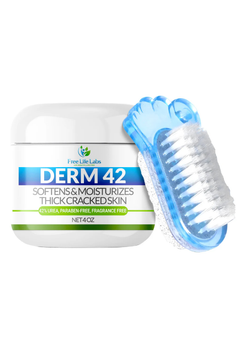
Derm 42

Topical cream · 42% urea · once daily · includes pumice stone + brush

42% urea up front, with mango and shea butters and humectants behind it. Urea is part of the skin’s natural moisturizing factor (NMF); at high concentration it is researched as both a humectant and a keratolytic for thick, dry skin such as heels.

3 ingredients · 26 studies referencedView product page →
  • 4 Meta-analyses & systematic reviews
  • 13 Randomized trials
  • 4 Clinical & observational
  • 5 Reviews, letters & case reports
Key studies
RCT2002

40% urea vs 12% ammonium lactate

Randomized, double-blind, bilateral comparison in 25 adults with moderate-to-severe xerosis. At day 14, 40% urea was superior for most measures, including roughness, fissures, thickness and dryness.

Ademola J et al. · Am J Clin Dermatol · 2002 · PMID 11978141PubMed
RCT2017

Urea cream for heel fissures in diabetes

167 people with diabetes and a deep heel fissure were randomized for 4 weeks. Complete healing was 46.3% vs 33.3% (p=0.088). Fewer deep open fissures remained (6.4% vs 24.1%), and xerosis improved.

Gin H et al. · Diabet Med · 2017 · PMID 28627029PubMed
RCT2002

Urea moisturizer for diabetic foot xerosis

Split-foot double-blind RCT, 40 patients, 4 weeks: 10% urea + 4% lactic acid vs vehicle. Xerosis improved more on the urea side, and the difference held 2 weeks after stopping.

Pham HT et al. · Ostomy Wound Manage · 2002 · PMID 12046488PubMed
Dose check

Our dose vs. studied doses

Doses, routes and durations are taken from each study’s PubMed abstract. Where a study used a different dose, form or route, the comparison is shown as-is.

UreaOurs: 42% cream
StudyDose / route studiedDurationAbstract finding
RCT Ademola RCT (xerosis)40% cream14–28 daysSuperior to 12% ammonium lactate at day 14
RCT Ross RCT (heel fissures)40% (comparator)28 daysBarrier cream ≈ urea 40%
RCT Lahfa RCT (nails)40% ointment, occluded—Chemical nail avulsion
RCT Syed RCT (nails)20% (+2% butenafine)—Keratinolysis adjunct
RCT Pham RCT (diabetic feet)10% (+4% lactic acid)4 weeksXerosis improved vs vehicle
RCT Federici RCT (diabetic feet)5% (+arginine, carnosine)—Hydration improved

Research on urea — these are studies of urea (and supporting ingredients) generally, not trials of Derm 42.

42%Urea — research on urea24 studies

Urea is a small, water-loving molecule the skin already makes as part of natural moisturizing factor (NMF); dry, thickened skin often runs low on it. At high concentrations, topical urea is researched as both a humectant (pulls and holds water) and a keratolytic (helps loosen hard keratin so thick, dry skin can soften). Ingredient research, not a claim that Derm 42 treats a disease.

Mechanism studied: Part of the skin’s natural moisturizing factor: a moisturizer at ≤10% and keratolytic above 10%. It also enhances penetration. Celleno 2018Pan 2013

Strongest study designs first · top 3 shown

  • Meta-analysis Systematic review/meta-analysis of RCTs (diabetic foot xerosis): functional creams, primarily urea-containing, outperformed standard bases.

    Borgström K et al. · Front Clin Diabetes Healthc · 2026 · PMID 42755659PubMed
  • Meta-analysis Meta-analysis of RCTs: urea cream and celecoxib both helped prevent hand-foot syndrome/skin reaction from cancer therapy; urea especially for moderate-to-severe sorafenib reactions.

    Pandy JGP et al. · Support Care Cancer · 2022 · PMID 35655045PubMed
  • Systematic review Parker et al. 2017 — systematic review of moisturisers for foot xerosis; urea was the most researched ingredient (14 studies). The review could not rank one ingredient over another due to study quality.

    Parker J et al. · J Foot Ankle Res · 2017 · PMID 28191040PubMed
Show all 24 studies (+21 more)
  • Systematic review Pan et al. 2013 — urea: a comprehensive review of the clinical literature (systematic review).

    Pan M et al. · Dermatol Online J · 2013 · PMID 24314769PubMed
  • RCT RCT (JAPMA 2025) — double-blind, 48 enrolled, 28 days: 40% urea was the comparator for pedal (heel) fissures; a barrier-repair cream showed minimal statistical difference from urea 40%. Ingredient research, not a Derm 42 outcome claim.

    Ross AJ et al. · J Am Podiatr Med Assoc · 2025 · PMID 41166120PubMed
  • RCT Multicenter RCT (n=167 with diabetes and heel fissures, 4 weeks): a urea/glycerine/petrolatum cream improved fissure closure and xerosis; complete target-fissure healing 46.3% vs 33.3% (primary end point p=0.088).

    Gin H et al. · Diabet Med · 2017 · PMID 28627029PubMed
  • RCT Multicenter RCT (onychomycosis): 40% urea ointment under occlusion outperformed bifonazole-urea for complete chemical removal of the infected nail.

    Lahfa M et al. · Dermatology · 2013 · PMID 23467055PubMed
  • RCT RCT (type 2 diabetes, severe foot xerosis): 5% urea + arginine + carnosine cream increased skin hydration vs a glycerol-based emollient.

    Federici A et al. · BMC Dermatol · 2012 · PMID 23009311PubMed
  • RCT Ademola et al. 2002 — RCT: 40% urea cream vs 12% ammonium lactate for xerosis; day 14 urea superior on roughness, fissures, thickness, and dryness.

    Ademola J et al. · Am J Clin Dermatol · 2002 · PMID 11978141PubMed
  • RCT Split-foot RCT (n=40 with diabetes, 4 weeks): 10% urea + 4% lactic acid cream reduced foot xerosis more than its vehicle, with benefit persisting 2 weeks after stopping.

    Pham HT et al. · Ostomy Wound Manage · 2002 · PMID 12046488PubMed
  • RCT Double-blind RCT (toenail onychomycosis): 2% butenafine with 20% urea for keratinolysis; well tolerated.

    Syed TA et al. · J Dermatol · 1998 · PMID 9830263PubMed
  • RCT Double-blind RCT (diabetic foot syndrome): two 10% urea creams of different cost both improved foot skin quality.

    Tejeda Ramírez S et al. · Adv Skin Wound Care · 2024 · PMID 38648245PubMed
  • RCT Federici et al. 2015 — RCT: urea-containing cream vs glycerol emollient for severe foot xerosis in type 2 diabetes (urea combo, not 42%). Greater hydration with the urea cream.

    Federici A et al. · Curr Med Res Opin · 2015 · PMID 25851453PubMed
  • RCT Open-label RCT (n=871, sorafenib): 10% urea cream three times daily lowered 12-week hand-foot skin reaction incidence (56.0% vs 73.6%) and delayed onset.

    Ren Z et al. · J Clin Oncol · 2015 · PMID 25667293PubMed
  • RCT Phase III placebo-controlled RCT: a urea/lactic-acid keratolytic cream did not prevent capecitabine hand-foot syndrome (null result).

    Wolf SL et al. · J Clin Oncol · 2010 · PMID 21060036PubMed
  • RCT Gloor et al. 2002 — urea / ammonium lactate combinations studied for skin hydration and protection vs either component alone.

    Gloor M et al. · Skin Pharmacol Appl Skin Physiol · 2002 · PMID 11803256PubMed
  • RCT RCT in atopic dermatitis: glycerine and urea moisturizers differed in their effects on skin barrier function.

    Lodén M et al. · Skin Res Technol · 2001 · PMID 11737814PubMed
  • Clinical study Clinical analysis (onychomycosis): once-weekly 40% urea/1% bifonazole under occlusion was associated with nail removal about 1 week earlier.

    Shemer A et al. · Skin Appendage Disord · 2020 · PMID 33088816PubMed
  • Clinical study Clinical report: urea nail lacquer allowed easy removal of the affected part of fungal nail plates.

    Baran R et al. · J Dermatolog Treat · 2002 · PMID 19753735PubMed
  • Clinical study Gloor et al. 2001 — 40% urea was keratolytic in a standardized stratum-corneum test (high-dose urea NRF formulations).

    Gloor M et al. · Pharmazie · 2001 · PMID 11683130PubMed
  • Review Piquero-Casals et al. 2021 — urea in dermatology: emollient, moisturizing, keratolytic, barrier, and antimicrobial roles (review).

    Piquero-Casals J et al. · Dermatol Ther (Heidelb) · 2021 · PMID 34596890PubMed
  • Review Starace et al. 2020 — clinical evidence for high-concentration urea on hyperkeratotic skin (keratolytic, moisturizing, emollient).

    Starace M et al. · Int J Clin Pract · 2020 · PMID 33249711PubMed
  • Review Celleno 2018 — topical urea in skincare review: lower doses moisturize; higher concentrations (>10%) exert keratolytic action.

    Celleno L et al. · Dermatol Ther · 2018 · PMID 30378232PubMed
  • Review Loden 2003 — review of emollients and moisturizers for dry-skin barrier; urea-containing moisturizers studied for TEWL and irritation resistance.

    Lodén M et al. · Am J Clin Dermatol · 2003 · PMID 14572299PubMed
ButtersMango + shea butters1 study

Unrefined mango (Mangifera indica) and shea (Butyrospermum parkii) butters — emollients that help seal moisture after urea softens thick, dry skin. Cited as ingredient research, not a claim that Derm 42 treats eczema or any disease.

Strongest study designs first

  • Clinical study Hon et al. 2015 — cream containing shea butter extract studied for skin hydration and acceptability (pediatric eczema; not a Derm 42 disease-treatment claim).

    Hon KL et al. · Hong Kong Med J · 2015 · PMID 26314567PubMed
SupportAloe, glycerin, vitamin E2 studies

Aloe vera gel juice, glycerin, and tocopheryl acetate support the cream’s moisturizing feel. Glycerin is a classic humectant used in topical skincare.

Strongest study designs first

  • Review Fluhr et al. 2008 — glycerol and the skin: review of hydration, barrier, and related functions.

    Fluhr JW et al. · Br J Dermatol · 2008 · PMID 18510666PubMed
  • Review Loden 2003 — moisturizers with humectants (including urea) studied for dry-skin barrier function; relevant background for glycerin’s humectant role.

    Lodén M et al. · Am J Clin Dermatol · 2003 · PMID 14572299PubMed

Pumice: after the cream has softened dead skin, gently buff — never on open, bleeding, or infected cracks.

Wound Care

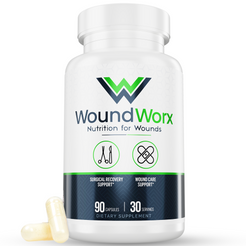
WoundWorx Surgery Supplement

Dietary supplement · 90 capsules · 3 capsules daily

Nutritional support for surgery and recovery — plastic surgery, orthopedic cases, and everyday recovery. Twenty ingredients across vitamins, minerals, collagen, amino acids, botanicals, and probiotics. Made in an FDA-registered, cGMP facility and third-party tested.

20 ingredients · 76 studies referencedView product page →
  • 28 Meta-analyses & systematic reviews
  • 32 Randomized trials
  • 5 Clinical & observational
  • 9 Reviews, letters & case reports
  • 2 Animal & in-vitro
Key studies
RCT2015

Arginine + zinc + antioxidant formula

200 malnourished adults with pressure ulcers, randomized for 8 weeks. The enriched oral formula reduced ulcer area by 60.9% vs 45.2% on an isocaloric, isonitrogenous control.

Cereda E et al. · Ann Intern Med · 2015 · PMID 25643304PubMed
RCT2021

Vitamin C 500 mg for foot ulcers

A small double-blind RCT (n=16). Healing at 8 weeks was median 100% with vitamin C vs −14% on placebo, and half of participants were vitamin C deficient at baseline.

Gunton JE et al. · Br J Nutr · 2021 · PMID 32981536PubMed
RCT2023

High- vs low-dose vitamin D3 in diabetic foot ulcers

48 patients randomized to 170 µg or 20 µg D3 daily. Ulcers healed in 70% vs 35% (intention-to-treat). WoundWorx provides 25 µg.

Halschou-Jensen PM et al. · Int J Low Extrem Wounds · 2023 · PMID 34213957PubMed
Meta-analysis2024

The overall picture (Cochrane)

Across trials of nutritional interventions for pressure ulcers, benefits are uncertain and may not differ from standard nutrition. That is why we show nulls alongside positive trials.

Langer G et al. · Cochrane Database Syst Rev · 2024 · PMID 38345088PubMed
Pre-surgery nutrition

Why the month before surgery matters

Reviews of surgical nutrition describe a stress cascade after surgery or injury — higher glucagon and cortisol, inflammatory cytokines, burned glycogen, and amino acids pulled from muscle to feed gluconeogenesis, immune work, and tissue repair. Micronutrient demand (vitamin C, zinc, and others) rises with it; the overdrive can run for hours to days and, after bigger operations, may linger for 2–4 weeks. WoundWorx is designed as nutritional support for that documented metabolic demand: taken for about a month before surgery to build reserves, then continued on the same 3-capsule routine alongside the clinician’s plan.

  • Meta-analysis Systematic review/meta-analysis (cancer patients): high-protein oral nutritional supplements associated with fewer complications and shorter stay; no effect on readmission or mortality.

    Delsoglio M et al. · Front Nutr · 2025 · PMID 41001134PubMed
  • Meta-analysis Systematic review/meta-analysis: perioperative immunonutrition reduced total and infectious complications after head-and-neck or GI cancer surgery.

    Matsui R et al. · Ann Surg · 2024 · PMID 37882375PubMed
  • Meta-analysis Systematic review/meta-analysis of 178 RCTs: immunonutrition, inspiratory muscle training and multimodal prehabilitation reduced hospital stay; overall evidence certainty low.

    Perry R et al. · BMJ Open · 2021 · PMID 34593498PubMed
Show all 5 studies (+2 more)
  • Meta-analysis Meta-analysis (major abdominal surgery): immunonutrition did not alter mortality; reduced complications and hospital stay (low-to-moderate GRADE).

    Probst P et al. · Br J Surg · 2017 · PMID 28940219PubMed
  • Review Review: pre- and post-surgical nutrition, the surgical stress response, and preservation of muscle mass, strength and function.

    Hirsch KR et al. · Nutrients · 2021 · PMID 34063333PubMed
Dose check

Our dose vs. studied doses

Doses, routes and durations are taken from each study’s PubMed abstract. Where a study used a different dose, form or route, the comparison is shown as-is.

Vitamin COurs: 500 mg/day
StudyDose / route studiedDurationAbstract finding
RCT Gunton RCT (foot ulcers)500 mg slow-release8 weeksHealing improved
RCT Pisalsitsakul RCT (dental)600 or 1,500 mg/day10 days600 mg improved early healing, pain
RCT Desneves RCT (pressure ulcers)500 mg + arginine 9 g + zinc 30 mg3 weeksPUSH improved (combination)
ZincOurs: 20 mg/day
StudyDose / route studiedDurationAbstract finding
RCT Momen-Heravi RCT (DFU)50 mg elemental12 weeksUlcer size reduced
RCT Desneves RCT30 mg (combination)3 weeksPUSH improved (combination)
Vitamin D3Ours: 25 µg (1,000 IU)/day
StudyDose / route studiedDurationAbstract finding
RCT Halschou-Jensen RCT (DFU)170 µg vs 20 µg/day48 weeks70% vs 35% healed
RCT Razzaghi RCT (DFU)50,000 IU every 2 weeks12 weeksUlcer dimensions reduced

Ingredient research — each card notes where the study’s dose, form, or setting differs from this product. Not trials of WoundWorx.

1500 mcg RAEVitamin A (Beta Carotene)2 studies

Fat-soluble vitamin used in epithelial tissue maintenance.

Strongest study designs first

  • RCT CABG RCT: vitamin A (with zinc status considered) associated with shorter ICU/hospital stays; not this dose or product, nutritional-support context only.

    Matos AC et al. · Nutr Hosp · 2012 · PMID 23588448PubMed
  • Clinical study Cardiac surgery patients: 5,000 IU vitamin A/day linked to lower oxidative-stress markers when zinc was adequate; not WoundWorx dose/form and not a wound-healing trial.

    Matos A et al. · Nutr Hosp · 2018 · PMID 30070862PubMed
500 mgVitamin C (Ascorbic Acid)7 studies

Collagen-synthesis cofactor — featured in wound-nutrition reviews.

Mechanism studied: Involved in every phase of wound healing, including collagen synthesis, maturation and secretion. Moores 2013

Strongest study designs first · top 3 shown

  • Meta-analysis Cochrane review: benefits of nutritional interventions for pressure-ulcer prevention and treatment are uncertain; there may be little or no difference vs standard nutrition.

    Langer G et al. · Cochrane Database Syst Rev · 2024 · PMID 38345088PubMed
  • Systematic review Wound-nutrition review

    Bechara N et al. · Antioxidants (Basel) · 2022 · PMID 36009324PubMed
  • RCT Split-mouth double-blind RCT (n=42, tooth extraction): vitamin C 600 mg/day for 10 days improved early wound-size reduction and pain vs placebo.

    Pisalsitsakul N et al. · Int J Dent · 2022 · PMID 35310461PubMed
Show all 7 studies (+4 more)
  • RCT Double-blind RCT (n=16, chronic foot ulcers): 500 mg slow-release vitamin C; 8-week healing median 100% vs −14% on placebo; half had baseline deficiency.

    Gunton JE et al. · Br J Nutr · 2021 · PMID 32981536PubMed
  • RCT Small RCT (n=16, pressure ulcers, 3 weeks): supplements with arginine 9 g, vitamin C 500 mg and zinc 30 mg improved PUSH scores; the other arms did not.

    Desneves KJ et al. · Clin Nutr · 2005 · PMID 16297506PubMed
  • RCT Multicenter RCT (pressure ulcers): ascorbic acid supplementation did not improve healing vs control (null result).

    ter Riet G et al. · J Clin Epidemiol · 1995 · PMID 8543959PubMed
  • Review Collagen cofactor / wound-nutrition reviews

    Moores J et al. · Br J Community Nurs · 2013 · PMID 24796079PubMed
25 mcgVitamin D3 (1000 IU)5 studies

Cholecalciferol for everyday vitamin D status during recovery.

Strongest study designs first · top 3 shown

  • Meta-analysis Systematic review/meta-analysis (1,115 patients): lower vitamin D in diabetic foot ulcers; severe deficiency associated with higher DFU risk (OR 3.22).

    Dai J et al. · Nutr Diabetes · 2019 · PMID 30858355PubMed
  • Systematic review 2024 RCT review: no clear benefit of vitamin D supplementation on postoperative survival or length of stay—mixed/null signal for routine peri-op D.

    Patel A et al. · BMJ Open · 2024 · PMID 38233048PubMed
  • Systematic review Systematic review: low vitamin D status often associated with worse post-surgical outcomes; association ≠ proof this supplement heals surgical wounds.

    Iglar PJ et al. · Patient Saf Surg · 2015 · PMID 25926889PubMed
Show all 5 studies (+2 more)
  • RCT DFU RCT: high-dose D3 (170 µg) vs low-dose improved ulcer healing rates; chronic diabetic ulcers, not elective surgery, and far above this product’s 25 µg.

    Halschou-Jensen PM et al. · Int J Low Extrem Wounds · 2023 · PMID 34213957PubMed
  • RCT RCT (n=60, grade 3 DFU, 12 weeks): 50,000 IU vitamin D every 2 weeks reduced ulcer length, width and depth and improved glycemic and lipid markers vs placebo.

    Razzaghi R et al. · J Diabetes Complications · 2017 · PMID 27363929PubMed
15 mgVitamin E3 studies

d-alpha-tocopherol succinate — antioxidant vitamin support.

Strongest study designs first

  • RCT CABG RCT of high-dose vitamin E+zinc combo shortened hospital stay/inflammation markers; combo and doses differ from this bottle—not wound-healing proof.

    Makiabadi E et al. · Eur J Clin Nutr · 2024 · PMID 37891226PubMed
  • Review Evidence-based review: significant dearth of robust human data that vitamin E improves wound healing.

    Hobson R et al. · Int Wound J · 2016 · PMID 25124164PubMed
  • Review Perioperative review notes vitamin E may increase bleeding tendency via platelet effects; discuss with surgeon—mixed/safety-relevant literature.

    Wang CZ et al. · Medicines (Basel) · 2015 · PMID 26949700PubMed
850 mcg DFEFolate (L-Methylfolate)2 studies

Active folate form — not folic acid.

Strongest study designs first

  • Observational Retrospective DFU cohort used high-dose folic acid 5 mg/day—not L-methylfolate and not this product dose; exploratory nutritional context only.

    Boykin JV Jr et al. · Wound Repair Regen · 2020 · PMID 32141182PubMed
  • Animal study Rabbit wound model: active folate (5-methyltetrahydrofolate) increased wound DNA synthesis; animal data only.

    Zhang XJ et al. · J Surg Res · 2008 · PMID 18028951PubMed
500 mcgVitamin B12 (Methylcobalamin)1 study

Active B12 for methylation pathways.

Strongest study designs first

  • Systematic review Case review: N2O anesthesia can unmask B12 deficiency with neurologic injury—supports adequacy of B12 status around surgery, not wound-cure claims for this capsule.

    Patel KK et al. · Clin Neurol Neurosurg · 2018 · PMID 30144777PubMed
50 mcgBiotin1 study

Supports normal cellular energy metabolism.

Strongest study designs first

  • RCT RCT after periodontal flap surgery used a full B-complex including 50 µg biotin—not biotin alone or this product; attachment-level gains, not systemic surgical wound proof.

    Neiva RF et al. · J Periodontol · 2005 · PMID 16018750PubMed
5 mgIron (Ferrous Fumarate)2 studies

Oxygen transport mineral in a familiar iron salt form.

Strongest study designs first

  • Meta-analysis Cochrane review of preoperative iron for anemia: evidence limited; transfusion reduction not clearly proven—nutritional correction framing, not wound-healing claims.

    Ng O et al. · Cochrane Database Syst Rev · 2019 · PMID 31811820PubMed
  • RCT IVICA RCT: oral ferrous sulphate raised Hb less than IV iron; transfusion rates similar—relevant to oral iron support for anemia, not this bottle treating wounds.

    Keeler BD et al. · Br J Surg · 2017 · PMID 28092401PubMed
20 mgZinc (Bisglycinate Chelate)6 studies

Chelated zinc — researched for roles in tissue repair and immune function.

Mechanism studied: Zinc deficiency delays wound healing; the benefit of supplementation is debated. Kogan 2017

Strongest study designs first · top 3 shown

  • Meta-analysis Meta-analysis of clinical zinc trials suggests possible ulcer-healing benefit with moderate-certainty evidence; not this chelate form/dose and not a treat/cure claim.

    Arribas Lopez E et al. · BMJ Nutr Prev Health · 2025 · PMID 40771531PubMed
  • Meta-analysis Cochrane review: oral zinc sulphate did not appear to aid healing of arterial or venous leg ulcers; small studies with unclear risk of bias.

    Wilkinson EA · Cochrane Database Syst Rev · 2014 · PMID 25202988PubMed
  • Systematic review Systematic review: oral nutritional supplements may enhance chronic-wound healing; high-calorie, high-protein formulas with antioxidants favored.

    Santo ACSDE et al. · Nutrition · 2024 · PMID 38696907PubMed
Show all 6 studies (+3 more)
  • RCT RCT (n=60, grade 3 diabetic foot ulcer, 12 weeks): 50 mg elemental zinc/day reduced ulcer length and width and improved glycemic and oxidative-stress markers vs placebo.

    Momen-Heravi M et al. · Wound Repair Regen · 2017 · PMID 28395131PubMed
  • RCT CABG RCT of perioperative zinc+vitamin E (high loading doses) reduced inflammation/LOS; combination study—not isolated zinc at 20 mg or wound-closure proof.

    Makiabadi E et al. · Eur J Clin Nutr · 2024 · PMID 37891226PubMed
  • Review Zinc physiology in wound healing

    Kogan S et al. · Wounds · 2017 · PMID 28448263PubMed
100 mcgSelenium3 studies

L-Selenomethionine antioxidant mineral.

Strongest study designs first

  • Meta-analysis Cardiac-surgery selenium meta-analysis: mixed—shorter stay/CRP but no clear cut in major complications/infections; not oral selenomethionine 100 µg or wound proof.

    Sarhan AM et al. · J Cardiothorac Surg · 2024 · PMID 38659018PubMed
  • RCT Large RCT: high-dose IV sodium selenite did not reduce organ dysfunction or mortality after cardiac surgery—null result for routine high-dose selenium.

    Stoppe C et al. · JAMA Surg · 2023 · PMID 36630120PubMed
  • Case report Single case: correcting zinc+selenium deficiency after RYGB coincided with laparotomy-wound improvement—n=1, combined micronutrients, not this product.

    Chizooma E et al. · J Family Med Prim Care · 2023 · PMID 38186775PubMed
1 mgCopper (Gluconate)2 studies

Trace mineral that pairs with zinc in connective-tissue enzymes.

Strongest study designs first

  • RCT Cesarean RCT of copper-impregnated dressings (topical)—not oral copper gluconate 1 mg; delivery-route mismatch.

    Arendsen LP et al. · Eur J Obstet Gynecol Reprod Biol · 2020 · PMID 32502772PubMed
  • Clinical study Prospective copper-dressing study on hard-to-heal wounds; topical copper oxide dressings—not oral gluconate and not this supplement.

    Gorel O et al. · Health Sci Rep · 2024 · PMID 38226359PubMed
400 mgHydrolyzed Collagen (Type I & III)7 studies

Bovine collagen peptides — types abundant in skin and soft tissue.

Strongest study designs first · top 3 shown

  • Systematic review Systematic review: oral nutritional supplements had variable effects on wound healing across wound types.

    Daher GS et al. · Ann Otol Rhinol Laryngol · 2022 · PMID 35043693PubMed
  • Systematic review Systematic review: preliminary evidence for oral collagen in wound healing and skin aging; generally safe.

    Choi FD et al. · J Drugs Dermatol · 2019 · PMID 30681787PubMed
  • RCT Pragmatic multicenter RCT (hospitalised pressure-ulcer patients): no significant benefit of intensive nutrition or wound-healing supplements (null result).

    Banks MD et al. · J Wound Care · 2023 · PMID 37094924PubMed
Show all 7 studies (+4 more)
  • RCT Burn RCT: oral hydrolyzed collagen-based supplement improved wound-healing rate vs placebo; burn setting and higher protein intake—not this 400 mg dose alone.

    Bagheri Miyab K et al. · Burns · 2020 · PMID 31859087PubMed
  • RCT Collagen peptide supplementation research

    Asserin J et al. · J Cosmet Dermatol · 2015 · PMID 26362110PubMed
  • RCT Multicenter RCT (n=89, pressure ulcers, 8 weeks): a fortified collagen protein hydrolysate supplement three times daily roughly doubled the PUSH healing rate vs placebo.

    Lee SK et al. · Adv Skin Wound Care · 2006 · PMID 16557055PubMed
  • Animal study Animal (rat) study: dietary collagen hydrolysate increased skin type I/IV collagen and reduced MMP-2 activity

    Zague V et al. · J Med Food · 2011 · PMID 21480801PubMed
200 mgBromelain (2400 GDU/g)5 studies

Pineapple enzyme studied in postoperative comfort and wound-care contexts.

Strongest study designs first · top 3 shown

  • Meta-analysis Systematic review/meta-analysis: moderate-quality studies support oral bromelain for pain control and topical bromelain in wound care; no major health risks reported.

    Leelakanok N et al. · Nutr Health · 2023 · PMID 37157782PubMed
  • Meta-analysis Systematic review/meta-analysis (third-molar surgery): oral bromelain gave moderate relief of postoperative discomfort.

    Liu S et al. · J Oral Maxillofac Surg · 2019 · PMID 30986376PubMed
  • RCT Tibrolin (trypsin + bromelain + rutoside) RCT in surgical wound management — combination enzyme tablet study, not this bottle

    Dewan B et al. · Cureus · 2025 · PMID 40351995PubMed
Show all 5 studies (+2 more)
  • RCT RCT (third-molar surgery): bromelain alone moderately reduced swelling, not significantly vs no drug; best results combined with dexamethasone.

    Ghensi P et al. · J Craniofac Surg · 2017 · PMID 27755433PubMed
  • RCT RCT (third-molar surgery): less inflammatory response with bromelain than control.

    Ordesi P et al. · Quintessence Int · 2014 · PMID 25019111PubMed
200 mgOrganic Turmeric Root3 studies

Curcuma longa — curcuminoids studied in inflammation and nutrition research.

Strongest study designs first

  • RCT Open-label RCT (laparoscopic hysterectomy): no pain difference at 24 h; lower pain at 72 h with curcuminoids.

    Ariyasriwatana C et al. · Complement Med Res · 2022 · PMID 34986477PubMed
  • RCT Pilot RCT (laparoscopic gynecologic surgery): curcuminoids reduced postoperative pain severity.

    Phoolcharoen N et al. · J Complement Integr Med · 2019 · PMID 31150356PubMed
  • Review Nutrition and wound-healing overview discussing curcumin

    Barchitta M et al. · Int J Mol Sci · 2019 · PMID 30841550PubMed
175 mgL-Citrulline6 studies

Raises plasma arginine more efficiently than oral arginine in published PK work.

Mechanism studied: Oral L-citrulline raised plasma L-arginine more effectively than L-arginine itself in a crossover PK study. Schwedhelm 2008

Strongest study designs first · top 3 shown

  • Meta-analysis Systematic review/meta-analysis on arginine and glutamine: authors conclude wound healing might be enhanced by supplementation at the right dose.

    Arribas-López E et al. · Nutrients · 2021 · PMID 34444657PubMed
  • Systematic review Systematic review (pressure ulcers): arginine shows potential but evidence remains inconclusive; glutamine was only studied with arginine.

    Torsy T et al. · Wound Repair Regen · 2025 · PMID 40748005PubMed
  • RCT Arginine-pathway research. Multicenter RCT (n=200 malnourished adults with pressure ulcers, 8 weeks): a formula enriched with arginine, zinc and antioxidants reduced ulcer area more (60.9% vs 45.2%).

    Cereda E et al. · Ann Intern Med · 2015 · PMID 25643304PubMed
Show all 6 studies (+3 more)
  • RCT Schwedhelm et al., Br J Clin Pharmacol 2008 — oral citrulline vs arginine / NO metabolism

    Schwedhelm E et al. · Br J Clin Pharmacol · 2008 · PMID 17662090PubMed
  • Review Review: L-citrulline/watermelon supplementation and vascular function via the L-arginine/nitric oxide pathway.

    Figueroa A et al. · Curr Opin Clin Nutr Metab Care · 2017 · PMID 27749691PubMed
  • Review Review of the pharmacokinetics of arginine, ornithine and citrulline.

    Cynober L · J Nutr · 2007 · PMID 17513441PubMed
175 mgL-Glutamine6 studies

Amino acid studied in surgical and burn nutrition research.

Strongest study designs first · top 3 shown

  • Meta-analysis Systematic review/meta-analysis (severe burns): enteral glutamine may not improve mortality; may be associated with shorter stay and fewer wound infections.

    Yue HY et al. · Chin J Traumatol · 2024 · PMID 37460347PubMed
  • Meta-analysis Systematic review/meta-analysis (burns): apparent benefits came from small single-centre trials; authors do not recommend routine use.

    Tao W et al. · J Burn Care Res · 2024 · PMID 38243579PubMed
  • Meta-analysis Systematic review/meta-analysis on arginine and glutamine: wound healing might be enhanced by supplementation at the right dose.

    Arribas-López E et al. · Nutrients · 2021 · PMID 34444657PubMed
Show all 6 studies (+3 more)
  • Meta-analysis Meta-analysis of IV glutamine dipeptide in major abdominal surgery: shorter hospital stay but no clear cut in morbidity—IV dipeptide, not 175 mg oral L-glutamine.

    Sandini M et al. · Nutrients · 2015 · PMID 25584966PubMed
  • Meta-analysis Systematic review/meta-analysis (critically ill): enteral glutamine gave no significant clinical benefit except reduced hospital stay; possible burn benefit on sparse data.

    van Zanten AR et al. · Crit Care · 2015 · PMID 26283217PubMed
  • RCT RE-ENERGIZE RCT (n=1,200, severe burns): enteral glutamine did not reduce time to discharge alive

    Heyland DK et al. · N Engl J Med · 2022 · PMID 36082909PubMed
15 mgHyaluronic Acid2 studies

Sodium hyaluronate — extracellular matrix glycosaminoglycan.

Strongest study designs first

  • RCT Oral HA RCT improved skin hydration/tone (100–200 mg/day)—skin condition study, not surgical-wound healing; dose above this product’s 15 mg.

    Gao YR et al. · Skin Res Technol · 2023 · PMID 38009035PubMed
  • RCT Topical HA gel after palatal graft surgery improved pain and epithelialization; topical oral-surgery use—not oral sodium hyaluronate capsules.

    Yıldırım S et al. · J Periodontol · 2018 · PMID 28914592PubMed
10 mgL. acidophilus (La-14)2 studies

Probiotic strain included for gut support during recovery.

Strongest study designs first

  • RCT LA14 in a multi-ingredient GERD supplement RCT—LA14 present but combo product and GI symptom endpoint, not peri-operative wound support.

    Tursi F et al. · Nutrients · 2024 · PMID 38892690PubMed
  • RCT La-14 (+HN001) oral RCT in 50 healthy women: vaginal microbiota remained stable and colonisation was not detected; not a surgery or wound trial—La-14 matched, indication mismatch.

    Lyra A et al. · Microorganisms · 2023 · PMID 36838464PubMed
5 mgL. plantarum6 studies

Companion probiotic in the same serving.

Strongest study designs first · top 3 shown

  • Meta-analysis Multi-strain probiotic research. Meta-analysis of placebo-controlled RCTs (colorectal cancer surgery): probiotics/synbiotics associated with lower infection (OR 0.34) and septicemia incidence.

    Amitay EL et al. · Clin Transl Gastroenterol · 2020 · PMID 33512803PubMed
  • Meta-analysis Systematic review/meta-analysis (colorectal cancer surgery): probiotics reduced overall infection (OR 0.51) and incision infection (OR 0.59).

    Ouyang X et al. · Int J Colorectal Dis · 2019 · PMID 30539265PubMed
  • Meta-analysis Network meta-analysis (surgical patients): synbiotics ranked first for reducing surgical-site infection, pneumonia, sepsis, stay and antibiotic use.

    Kasatpibal N et al. · Clin Infect Dis · 2017 · PMID 28475793PubMed
Show all 6 studies (+3 more)
  • RCT Trauma ICU RCT: 4-strain probiotic including L. plantarum UBLP-40 reduced SSI vs placebo; multi-strain (not this bottle alone) and strain mismatch vs unspecified L. plantarum 5 mg.

    Tzikos G et al. · Nutrients · 2022 · PMID 35807801PubMed
  • RCT Colorectal surgery RCT: 4-probiotic mix including L. plantarum cut SSI/pneumonia/leak rates; combo regimen—not single-strain plantarum at this dose.

    Kotzampassi K et al. · World J Surg · 2015 · PMID 25894405PubMed
  • RCT Elective surgery RCT of L. plantarum 299v: no effect on translocation or septic morbidity—null result; strain 299v ≠ this product’s unspecified plantarum.

    McNaught CE et al. · Gut · 2002 · PMID 12427785PubMed
2 mgBlack Pepper Extract2 studies

Piper nigrum — included to support turmeric absorption.

Strongest study designs first

  • Clinical study 2025 crossover PK reappraisal: piperine added no benefit for unconjugated curcumin exposure—mixed literature vs older Shoba findings.

    Kroon MAGM et al. · iScience · 2025 · PMID 40487425PubMed
  • Clinical study Classic human PK: 20 mg piperine with 2 g curcumin raised measured curcumin bioavailability; relevant to turmeric co-ingestion—dose far above 2 mg extract, not wound healing.

    Shoba G et al. · Planta Med · 1998 · PMID 9619120PubMed
Wound Care

WoundWorx Antibacterial Wound Gel

Wound dressing gel · 32 ppm molecular / nano-silver · external use only

A clear, water-based gel built around 32 ppm molecular silver. Free Life Labs materials describe gradual silver-ion release and a protective moist wound environment without alcohol, sting, or sulfa.

Regulatory status: Wound dressing gel made in an FDA-registered facility

1 ingredient · 17 studies referencedView product page →
  • 9 Meta-analyses & systematic reviews
  • 3 Randomized trials
  • 3 Reviews, letters & case reports
  • 2 Animal & in-vitro
Indications (from product labeling)
Over the counter
  • First- and second-degree burns
  • Lacerations
  • Abrasions
  • Minor cuts
  • Skin irritations
By or on the order of a licensed healthcare practitioner
  • Stasis ulcers
  • Pressure ulcers
  • Diabetic ulcers
  • Surgical incision sites
  • Device insertion site wounds
  • Graft sites
  • Skin tears
  • Donor sites

Labeling describes “management of” these wound types — not a treat-or-cure claim. External use only. See a clinician for serious or non-healing wounds.

Key studies
Meta-analysis2022

Silver dressings in diabetic foot ulcers

Meta-analysis of 7 RCTs (650 patients): better healing rate, faster complete healing, shorter hospital stay and better infection resolution. No significant difference in ulcer-area reduction.

Luo Y et al. · J Wound Care · 2022 · PMID 36367799PubMed
Meta-analysis2009

Nanocrystalline silver in burns

Meta-analysis of 5 RCTs (n=285): infections were 9.5% vs 27.8% with older silver formulations, with lower pain and cost where reported.

Gravante G et al. · Ann Plast Surg · 2009 · PMID 19571738PubMed
Systematic review2010

The cautious view (Cochrane)

There is insufficient evidence to establish whether silver dressings or topical agents promote wound healing or prevent wound infection.

Storm-Versloot MN et al. · Cochrane Database Syst Rev · 2010 · PMID 20238345PubMed

Ingredient & dressing research — published papers study Ag+ and silver hydrogels, not this tube.

32 ppmMolecular / nano-silver17 studies

Published research describes how Ag+ (silver ions) — not solid silver metal — act as a broad-spectrum antiseptic in lab and dressing studies: attaching to and damaging bacterial membranes, binding thiol groups on proteins, and condensing DNA. These papers study Ag+ and silver hydrogels as ingredients or dressings — in-vitro and dressing research, not a claim that this tube treats, cures, or prevents infection.

Mechanism studied: In vitro, Ag⁺ detached bacterial membranes from the cell wall, condensed DNA and inactivated proteins. Feng 2000

Strongest study designs first · top 3 shown

  • Meta-analysis Meta-analysis of 7 RCTs (650 patients, diabetic foot ulcers): silver dressings improved healing rate, time to healing, hospital stay and infection resolution; no significant effect on ulcer-area reduction.

    Luo Y et al. · J Wound Care · 2022 · PMID 36367799PubMed
  • Meta-analysis Meta-analysis of 5 RCTs in burns (n=285): nanocrystalline silver vs older silver formulations—infection 9.5% vs 27.8%, lower pain; mixed results for length of stay.

    Gravante G et al. · Ann Plast Surg · 2009 · PMID 19571738PubMed
  • Meta-analysis Meta-analysis of RCTs (lower-extremity ulcers): silver dressings significantly benefited diabetic-foot-ulcer healing; the venous-ulcer effect was positive but not significant.

    Yi Q et al. · Med Princ Pract · 2025 · PMID 39250909PubMed
Show all 17 studies (+14 more)
  • Meta-analysis Meta-analysis (burns): silver-containing hydrofiber shortened healing time and reduced inflammatory reactions vs silver sulfadiazine; safety needs further analysis.

    Wu JJ et al. · J Cosmet Dermatol · 2023 · PMID 36683314PubMed
  • Meta-analysis Systematic review/meta-analysis (burns): nanocrystalline silver vs silver sulfadiazine/silver nitrate associated with shorter stay, less pain, fewer procedures and lower infection rates.

    Nherera LM et al. · Burns · 2017 · PMID 28161149PubMed
  • Meta-analysis Cochrane review (diabetic foot ulcers): antimicrobial dressings vs non-antimicrobial may increase the number of ulcers healed; trials few, small and often poorly designed.

    Dumville JC et al. · Cochrane Database Syst Rev · 2017 · PMID 28613416PubMed
  • Meta-analysis Meta-analysis of RCTs (clean/clean-contaminated surgery): silver dressings were not associated with fewer surgical-site infections than silver-free dressings; very low-quality evidence.

    Li HZ et al. · J Surg Res · 2017 · PMID 28688669PubMed
  • Meta-analysis Cochrane review: uncertain whether any wound dressing, including silver, reduces surgical-site infection in wounds healing by primary intention.

    Dumville JC et al. · Cochrane Database Syst Rev · 2016 · PMID 27996083PubMed
  • Systematic review Cochrane review: insufficient evidence to establish whether silver dressings or topical agents promote healing or prevent wound infection.

    Storm-Versloot MN et al. · Cochrane Database Syst Rev · 2010 · PMID 20238345PubMed
  • RCT Double-blind randomized study (n=80, non-ischemic DFU): silver-nanoparticle gel dressing had a higher weekly healing rate than conventional dressing.

    Essa MS et al. · Int J Low Extrem Wounds · 2023 · PMID 33686887PubMed
  • RCT RCT (outpatient adult burns): no efficacy or safety difference between nanocrystalline silver and 1% silver sulfadiazine; higher dressing cost.

    Moreira SS et al. · Burns · 2022 · PMID 34688520PubMed
  • RCT Adhya et al., 2014 — nano-crystalline silver hydrogel vs silver sulfadiazine in second-degree burns (wound-dressing study).

    Adhya A et al. · J Basic Clin Pharm · 2014 · PMID 25538469PubMed
  • Review Rai et al., 2009 — silver nanoparticles as a new generation of antimicrobials (review).

    Rai M et al. · Biotechnol Adv · 2009 · PMID 18854209PubMed
  • Review Chopra, 2007 — increasing use of silver-based products as antimicrobial agents (review).

    Chopra I et al. · J Antimicrob Chemother · 2007 · PMID 17307768PubMed
  • Review Lansdown, 2002 — “Silver I: its antibacterial properties and mechanism of action.”

    Lansdown AB et al. · J Wound Care · 2002 · PMID 11998592PubMed
  • In vitro Jung et al., 2008 — electrically generated Ag+; >5-log reduction of S. aureus and E. coli at 90 min with membrane damage.

    Jung WK et al. · Appl Environ Microbiol · 2008 · PMID 18245232PubMed
  • In vitro Feng et al., 2000 — mechanistic Ag+ study on E. coli and S. aureus (membrane detach, DNA condensation, protein inactivation).

    Feng QL et al. · J Biomed Mater Res · 2000 · PMID 11033548PubMed

Not for deep puncture wounds, animal bites, or serious burns. Do not use in eyes or on mucous membranes. Stop if irritation occurs.

For clinicians

Clinician resources

Dispense in your practice

Practitioner pricing, wholesale accounts and patient-ordering options.

Samples & questions

Request clinic samples or talk through a formula with our team.

Summaries of published ingredient research for clinician reference; not product trials unless stated. For NerveReverse Formula and WoundWorx Surgery Supplement: these statements have not been evaluated by the Food and Drug Administration. These products are not intended to diagnose, treat, cure, or prevent any disease.