How to Care for Surgical Wounds at Home Safely
Share
The first few days after surgery can make every movement feel more deliberate. Getting out of bed, taking a shower, or changing a dressing may bring up one question: how to care for surgical wounds without doing too much or missing a warning sign. The best answer starts with your surgeon's discharge instructions. They know the procedure, closure type, and health factors that affect your recovery.
Good at-home incision care is usually simple: keep the area clean, protect it from friction and strain, nourish your body, and contact your surgical team when something does not look or feel right. Small, consistent steps can help you heal with greater comfort and confidence.
Follow your surgeon's instructions first
Post-operative wound instructions are not one-size-fits-all. A small skin incision, a deep abdominal incision, a joint replacement site, and a foot procedure can all require different care. Your surgeon may give specific directions about showering, dressings, activity limits, compression, drains, or topical products.
If any advice you read online conflicts with those directions, follow your surgical team. Call their office if a written instruction is unclear. It is far better to ask a quick question than to guess about whether a dressing should stay on, whether steri-strips can get wet, or when you can return to normal activity.
Do not apply antibiotic ointment, herbal products, powders, alcohol, hydrogen peroxide, or iodine to an incision unless your surgeon tells you to. These products can irritate healing tissue, trap moisture, or interfere with the closure plan. A product that works well for dry, cracked skin is not automatically appropriate for a fresh surgical wound.
How to care for surgical wounds day to day
Start every wound-care task by washing your hands thoroughly with soap and water. Dry them with a clean towel. If someone else helps you with dressing changes, they should wash their hands too. Clean hands are one of the simplest ways to reduce the chance of bringing bacteria to a healing incision.
Many patients may shower after the first 24 to 48 hours, but only if their surgeon approves it. Let clean water run gently over the area rather than aiming a strong spray directly at the incision. Use mild soap on the surrounding skin if instructed, then pat the area dry with a clean towel. Rubbing can pull at scabs, steri-strips, or tender skin.
Avoid baths, hot tubs, swimming pools, and lakes until your surgeon confirms that the incision has closed enough for soaking. Soaking can soften the skin around the wound and expose it to bacteria. This restriction can feel inconvenient, especially during a longer recovery, but it protects the work your body is doing beneath the surface.
If you have a dressing, change it exactly as directed. Some incisions need a clean, dry cover for a period of time, while others heal best uncovered once drainage has stopped. Before removing a dressing, gather your supplies so you are not searching for tape or gauze with the wound exposed.
When you remove the old dressing, notice what you see and smell. A small amount of clear, light pink, or blood-tinged drainage can be normal early on. Worsening drainage, a bad odor, or a dressing that becomes repeatedly soaked deserves a call to your surgeon. Place used dressings in a bag before discarding them, then wash your hands again.
Protect the incision from pulling and rubbing
Your wound needs more than cleanliness. It also needs protection from pressure and tension. Wear loose, breathable clothing when possible. Avoid waistbands, braces, shoes, or straps that rub against the incision. If your surgery was on the abdomen or chest, your team may recommend supporting the area with a pillow when coughing, sneezing, or standing up.
Activity matters, too. Gentle walking is often encouraged because it supports circulation, lung function, and regular bowel movements. But lifting, bending, stretching, and exercise restrictions are there for a reason. Feeling better does not always mean the deeper tissues are fully healed. Increase activity only on the timeline your surgeon gives you.
Know what normal healing can look like
A healing incision may feel tender, tight, itchy, numb, or mildly tingly. Bruising and some swelling may occur around the surgical site, particularly after orthopedic procedures. The skin may also look slightly pink along the incision edges during the early stages of healing.
The trend matters more than a single moment. Mild discomfort that gradually improves is generally more reassuring than pain that becomes stronger each day. Likewise, a small amount of drainage that decreases is different from new or increasing drainage after the wound had been dry.
Stitches, staples, surgical glue, and steri-strips each need different handling. Do not pull at them, trim them, or remove them early. Surgical glue and steri-strips often loosen and fall away on their own. Staples and non-dissolving stitches usually need removal by a healthcare professional at a scheduled follow-up visit.
Call your surgeon when a wound changes
Infections and wound complications are easier to address when they are caught early. Contact your surgeon's office promptly if you notice increasing redness that spreads beyond the incision, warmth, worsening swelling, increasing pain, thick yellow or green drainage, a foul smell, or a fever.
You should also call if the incision edges begin to separate, bleeding does not stop with gentle, steady pressure, or a drain suddenly changes output or stops working as expected. Trust a change that concerns you, even if it is not on a printed list of symptoms. You know what your incision looked and felt like yesterday.
Seek urgent medical care for heavy bleeding, trouble breathing, chest pain, confusion, fainting, a high fever, or rapidly spreading redness. These symptoms should not wait for a routine callback.
Give your body the building blocks to heal
Healing properly requires adequate nutrition. Surgery increases your body's need for protein, calories, fluids, vitamins, and minerals. If food has little appeal after anesthesia or pain medication, aim for smaller meals and snacks throughout the day instead of waiting for a large meal.
Protein is especially valuable because it helps your body repair tissue. Eggs, yogurt, fish, chicken, beans, lentils, tofu, and protein-rich shakes can all be practical options. Pair protein with fruits, vegetables, and whole grains to support overall nutrition and regular digestion.
Hydration matters as well. Unless you have been told to limit fluids because of a heart, kidney, or other medical condition, drink regularly throughout the day. Dehydration can contribute to constipation, fatigue, and poor appetite, all of which make recovery feel harder.
For people with diabetes or elevated blood sugar, blood glucose management is a central part of wound recovery. High blood sugar can slow healing and raise infection risk. Follow your prescribed medication plan, monitor as directed, and contact your clinician if readings are consistently outside the range they recommended.
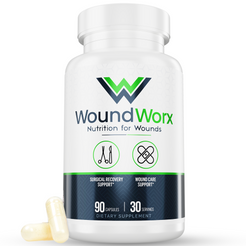
Nutritional wound-support products may be useful for some patients, particularly those with low appetite, restricted diets, or a history of slow healing. Ask your surgeon, primary care clinician, or pharmacist before adding supplements, especially if you take blood thinners or multiple medications. The right support should complement your care plan, not replace meals or medical follow-up.
Pay closer attention if you have neuropathy or reduced circulation
Numbness, burning, tingling, and reduced sensation can make it harder to notice pressure, rubbing, or a developing problem around a surgical site. If your incision is on the foot, ankle, leg, or another area you cannot easily inspect, use a mirror or ask a trusted person to help you check it daily.
People managing diabetes, peripheral neuropathy, circulation concerns, or a past history of ulcers may need more frequent follow-up. Keep weight off the area when instructed, wear only approved footwear or supports, and do not try to "push through" new pain or skin changes. Protecting your mobility now can help you get back on your feet with fewer setbacks.
Smoking and nicotine products can also restrict blood flow and delay healing. If quitting completely feels out of reach, talk with your care team about a realistic plan. Even a temporary pause around surgery can support the oxygen delivery your healing tissue needs.
Recovery is rarely about doing everything perfectly. It is about giving your incision consistent protection, listening to your body, and speaking up early when something changes. Each careful dressing change, balanced meal, and follow-up call is a practical step toward feeling comfortable, mobile, and more like yourself again.