How to Prevent Foot Cracks Before They Hurt
Share
A heel crack can start as a small rough patch that catches on a sock. Then comes the sting when you step out of the shower, the hesitation to wear sandals, or the sharp pain that makes every trip across the kitchen feel longer. Learning how to prevent foot cracks is not about chasing perfectly soft feet. It is about protecting the skin barrier so you can stay comfortable, mobile, and confident.
Cracked feet are common, especially with age, dry weather, standing for long periods, reduced circulation, diabetes, or nerve symptoms that make it harder to notice irritation early. The good news is that a consistent at-home routine can make a meaningful difference. The key is to treat dryness before it becomes a deep, painful split.
Why heels crack in the first place
The skin on your heels is built to handle pressure, but it still needs moisture and flexibility. When that skin becomes overly dry, thick, or callused, it loses its ability to stretch naturally as you walk. Each step puts pressure on the heel pad, and the hardened surface can split.
Open-back shoes, walking barefoot, hot showers, harsh soaps, and dry indoor heat can all pull moisture from the skin. Weight-bearing pressure matters, too. If you spend many hours on your feet or have shoes that do not cushion the heel well, cracks can form faster.
For some people, foot cracks are more than a cosmetic concern. Diabetes, peripheral neuropathy, poor circulation, eczema, psoriasis, thyroid conditions, and certain medications may contribute to dry or damaged skin. When feeling in the feet is reduced, a crack may worsen without causing much pain at first. That is why regular visual checks are so valuable.
How to prevent foot cracks with a daily routine
The most effective routine is simple enough to repeat. Foot skin responds better to regular care than to aggressive scrubbing once a month.
Moisturize right after bathing
After a shower or bath, gently pat your feet dry and apply a rich foot cream while the skin is still slightly damp. This helps hold water in the outer layer of skin. Focus on the heels, the balls of the feet, and the edges of the soles where dryness often builds up.
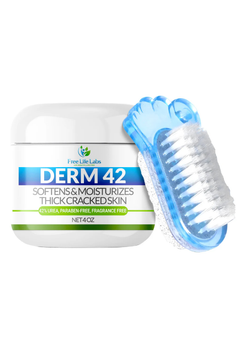
For thick, rough heel skin, basic lotion may not be enough. Look for a purpose-built foot cream with urea, an ingredient that helps soften hardened skin while supporting moisture retention. A maximum-strength 42% urea cream, such as Derm 42 from Free Life Labs, is designed for intensive care when persistent dryness and cracking need more than everyday lotion.
Use the product as directed, and give it time. A few consistent weeks often do more for rough heels than one heavy application followed by several missed days.
Soften calluses gently, not aggressively
Thick callus can contribute to cracking because it is less flexible than healthy, moisturized skin. After bathing, when your feet are clean and softened, use a soft foot file or pumice stone with light pressure. The goal is to reduce excess buildup gradually, not to remove every bit of thick skin in one session.
Avoid blades, razors, or harsh scraping tools. Cutting callused skin at home can create an opening for infection, especially if you have diabetes, reduced sensation, circulation concerns, or a history of slow-healing wounds. If calluses are severe, painful, or repeatedly return in the same spot, a podiatrist can remove them safely and identify the pressure causing them.
Seal in moisture overnight
Nighttime is an opportunity to give dry heels extended support. Apply your foot cream, then wear clean cotton socks to help keep the cream in place and prevent it from rubbing onto sheets. Avoid wrapping feet in airtight plastic unless a healthcare professional specifically recommends it, as too much trapped moisture can irritate skin or encourage fungal growth.
If your skin is mildly dry, nightly treatment may be enough. If you already have shallow cracks, you may need to moisturize twice a day until the skin feels more flexible and comfortable.
Choose shoes that reduce heel pressure
What you wear on your feet can either protect dry skin or keep reopening the same problem. Backless sandals and flip-flops expose the heel to dry air and allow it to expand with every step. They are fine for short periods for some people, but they are rarely the best choice when heel cracks are active.
Choose shoes with a secure heel cup, cushioning, and enough room for your toes. A supportive shoe helps distribute pressure more evenly across the foot rather than concentrating it at the edge of the heel. If you stand or walk for work, alternating shoes can also help reduce repetitive pressure in one area.
Socks matter, too. Clean, breathable socks reduce friction and help manage sweat. Change them promptly after exercise or if they become damp. Wet skin can become fragile, while overly dry skin can split, so the goal is balanced moisture rather than constantly damp feet.
Small habits that make a real difference
You do not need an elaborate foot-care cabinet to protect your heels. A few practical adjustments can prevent dryness from escalating:
- Keep showers warm rather than very hot, since hot water can strip natural oils from the skin.
- Use mild cleanser on your feet instead of strong, heavily fragranced soap.
- Dry carefully between the toes to reduce the risk of fungal irritation.
- Put on socks and supportive shoes instead of walking barefoot on hard floors.
- Check the soles, heels, and spaces between your toes every day, using a mirror if needed.
When foot cracks need medical attention
A superficial crack can often improve with gentle care. A deep fissure, bleeding, swelling, drainage, warmth, redness, or increasing pain deserves prompt attention. These signs can point to infection or skin damage that needs more than an at-home routine.
People with diabetes should be especially cautious. Even a small opening in the skin can become serious when blood flow, immune response, or sensation is affected. Contact a healthcare professional promptly for a crack that is open, bleeding, slow to heal, or surrounded by redness. Do not use medicated products, acid-based callus removers, or sharp tools without guidance if you have diabetes or neuropathy.
Numbness, burning, tingling, or a sensation of walking on pebbles can also change how you care for your feet. When nerve discomfort makes it difficult to notice pressure or injury, daily checks and well-fitting footwear become part of protecting your independence.
Keep your feet comfortable between flare-ups
Once your heels feel smoother, do not stop the routine completely. Foot cracks tend to return when dry skin, callus buildup, and pressure slowly accumulate again. Continue moisturizing daily, gently filing only when needed, and paying attention to what your shoes and socks are doing to your feet.
Your feet carry you through work, errands, family time, and the ordinary moments that make life feel like yours. A few minutes of focused care each day can help keep painful cracks from deciding how far you are willing to go.