Which Wound Healing Supplements Can Help?
Share
A wound that lingers can make every step feel uncertain. Whether you are recovering from surgery, managing a skin injury, or watching a foot sore more closely because of diabetes or poor circulation, the goal is simple: support your body so it can heal properly and help you get back on your feet. Wound healing supplements can be useful when eating enough of the right nutrients is difficult, but they work best as part of a complete recovery plan - not as a replacement for proper wound care.
Why Nutrition Matters for Wound Recovery
Healing is demanding work. Your body needs energy to build new tissue, produce collagen, support immune function, and protect the wound from infection. A small cut may not significantly change your nutritional needs, but surgery, a chronic wound, pressure injury, or a larger skin injury can.
When the body does not get enough protein, calories, vitamins, and minerals, recovery may slow down. This is especially common in older adults, people with a reduced appetite, those recovering after a hospital stay, and people managing chronic conditions that affect circulation, mobility, or nutrient absorption.
Nutrition is only one part of the picture. Blood sugar management, circulation, pressure relief, hydration, wound cleaning, dressings, and following your clinician's instructions all matter. Still, healing properly requires adequate nutrition. The right nutritional support gives your body more of the building blocks it needs to do its job.
Wound Healing Supplements and the Nutrients That Matter
There is no single vitamin that heals every wound. The most useful approach is a complete formula that addresses common nutritional gaps, especially when food intake has been inconsistent. Here are the nutrients clinicians often consider during wound recovery.
Protein and amino acids
Protein is central to tissue repair. Your body uses it to build skin, blood vessels, immune cells, and collagen. If you are not eating enough protein, even a well-designed vitamin formula cannot fully make up the difference.
Good food sources include eggs, fish, poultry, Greek yogurt, cottage cheese, beans, tofu, and lean meats. For people with low appetite or higher recovery needs, a protein drink or targeted nutrition supplement may be a practical addition. The right amount depends on your body size, kidney health, appetite, and the severity of the wound, so ask your healthcare provider for individualized guidance if you have kidney disease or have been told to limit protein.
Certain amino acids, including arginine and glutamine, may be included in recovery-focused formulas. Arginine supports collagen formation and blood flow, while glutamine can support immune and intestinal cells during times of physical stress. They may be appropriate in specific situations, but they are not right for everyone, particularly people with complex medical conditions.
Vitamin C
Vitamin C helps your body make collagen, a structural protein that gives healing skin and tissue strength. It also acts as an antioxidant and supports immune function. A prolonged lack of vitamin C can interfere with normal repair.
Citrus fruit, berries, peppers, tomatoes, potatoes, and broccoli are helpful sources. Supplementation can make sense when diet quality is poor, appetite is limited, or a clinician identifies a need. More is not always better. High doses can cause stomach upset and may raise concerns for people prone to kidney stones.
Zinc
Zinc is involved in immune response, protein synthesis, and cell growth. A zinc deficiency can slow healing, which is why zinc is common in wound healing supplements.
However, zinc deserves a careful approach. Taking high-dose zinc for long periods may lower copper levels and create new problems. A targeted, time-limited formula is generally more sensible than taking large amounts indefinitely without professional direction.
Vitamin A and vitamin D
Vitamin A supports skin integrity and immune function, while vitamin D plays a role in immune health and inflammation. Deficiencies can be more common in people who are older, spend little time outdoors, have digestive conditions that affect absorption, or have limited diets.
These vitamins can be valuable when a deficiency is suspected or confirmed, but they are not casual high-dose supplements. Vitamin A can be harmful in excess and may interact with certain medications. Vitamin D needs vary widely, so blood testing and clinician guidance can be useful.
B vitamins, iron, and other supportive nutrients
B vitamins help convert food into usable energy and support normal cell function. Iron is necessary for healthy red blood cells, which carry oxygen to healing tissue. Copper also contributes to collagen formation and iron metabolism.
These nutrients matter most when there is a true deficiency, anemia, poor intake, or an absorption issue. Iron should not be started simply because a wound is slow to heal. Too much iron can be harmful, and testing can help identify whether it is actually needed.
Who May Benefit Most?
A balanced diet is often enough for a minor wound in an otherwise healthy person. Nutritional support becomes more relevant when recovery places extra demands on the body or when regular meals are not meeting those demands.
You may want to ask a clinician about wound healing supplements if you are recovering from surgery, have a chronic or slow-healing wound, have recently lost weight without trying, eat very little protein, or have trouble preparing regular meals. People with diabetes, peripheral neuropathy, poor circulation, digestive disorders, or limited mobility may also need a more individualized plan.
For foot wounds, nutrition is especially important, but it is never the only concern. Reduced sensation can make a small injury easy to miss, while pressure from walking can keep reopening the area. Daily foot checks, protective footwear, pressure relief, and prompt clinical care remain essential.
What to Look for in a Recovery Formula
The best formula is not necessarily the one with the longest ingredient list or the biggest dose on the label. Look for a product designed for recovery support, with meaningful amounts of nutrients linked to tissue repair and a clear explanation of what each ingredient does.
A complete formula may include protein or amino acids along with vitamin C, zinc, and other vitamins and minerals that support normal healing. It should also fit your real routine. If a product is difficult to swallow, upsets your stomach, or requires too many separate pills, consistency becomes harder.
Be cautious with products that promise to heal wounds overnight, replace medical treatment, or work for every condition. Honest support has limits. Nutrition can help address a barrier to healing, but it cannot correct severe infection, poor blood flow, uncontrolled blood sugar, or unrelieved pressure on a wound.
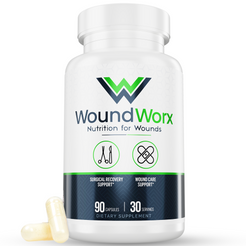
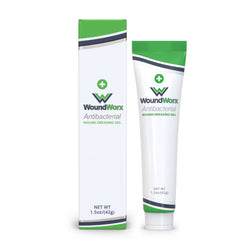
Free Life Labs developed its WoundWorx recovery support with this practical need in mind: targeted nutritional support for people who need more than a standard daily multivitamin while their body is working to recover.
Safety Comes First With Slow-Healing Wounds
Supplements should complement your care plan, not delay it. Before starting a new formula, talk with your physician, podiatrist, pharmacist, or wound-care clinician if you take prescription medications, use blood thinners, have kidney or liver disease, are pregnant, or are managing cancer treatment or a complex chronic illness.
Seek prompt medical care for increasing redness, warmth, swelling, drainage, odor, fever, worsening pain, black or gray tissue, or a wound that is not improving. For people with diabetes, a new blister, crack, cut, or sore on the foot deserves early attention - even if it does not hurt. Neuropathy can hide pain while damage progresses.
It also helps to keep expectations realistic. Better nutrition may support steady healing over time, but the visible change depends on the wound type, your circulation, blood sugar, overall health, and how consistently the wound is protected.
A daily supplement can be a simple, reassuring part of recovery, especially when your appetite and routine are not at their best. Pair it with nourishing meals, enough fluids, careful wound care, and professional guidance when needed. Those small, consistent choices can help protect your progress and bring you closer to moving with greater comfort and confidence again.