Pre-Surgery Nutrition for Wound Healing Support: A Practical Guide
Share
Surgery asks your body to do something extraordinary: cut, coagulate, rebuild, and remodel tissue on a deadline. Surgeons control the operative plan; nutrition influences the raw materials your body uses for collagen formation, immune function, and energy during recovery.
This article outlines practical pre-surgery nutrition themes, which nutrients are commonly discussed for tissue repair support, how timing works before elective procedures, and how a dedicated formula such as WoundWorx Surgery Supplement can fit—always with your surgical team’s approval.
Important: Dietary supplements are not drugs and are not intended to diagnose, treat, cure, or prevent disease. They do not replace surgical technique, antibiotics when prescribed, or wound-care protocols.
Why nutrition before surgery matters
Healing is a sequence—hemostasis, inflammation, proliferation, remodeling—each step nutrient-sensitive. People who enter surgery with protein-energy malnutrition, micronutrient gaps, uncontrolled glucose, smoking exposure, or low vitamin C/zinc status may face slower recovery themes documented across surgical nutrition literature.
Prehabilitation is not only about exercise and breathing practice. Increasingly, teams discuss optimizing diet in the weeks before elective procedures so the inflammatory and rebuilding phases are not fighting against empty cupboards.
Even well-nourished adults can under-eat protein after surgery when appetite dips, nausea appears, or chewing is limited. Starting from a stronger baseline helps.
Core nutrition pillars for tissue repair support
1. Protein
Amino acids are building blocks for collagen and immune proteins. Many adults under-eat protein relative to surgical stress needs. Discuss targets with your clinician or dietitian—especially if appetite is poor, you follow restrictive diets, or you are over age 65.
2. Vitamin C
Classic nutritional science links vitamin C to collagen cross-linking. Food sources (citrus, peppers, berries, kiwi) come first; supplements may be considered if intake is low or diet texture will be limited post-op.
3. Zinc
Zinc participates in enzyme systems involved in tissue repair. Both deficiency and excess are undesirable—stay within clinician-guided ranges rather than megadosing.
4. Vitamin A and related pathways
Vitamin A themes appear in epithelial integrity discussions. High-dose vitamin A is not casually indicated—review with your team, especially in pregnancy or if you take other retinoids.
5. B vitamins, vitamin D, amino acid support, and minerals
Energy metabolism and bone/muscle context matter for mobility after surgery. Broad multi-nutrient approaches are common in recovery formulas because real-world gaps rarely come one at a time.
6. Hydration and glycemic control
Dehydration and wide glucose swings complicate recovery environments. Follow perioperative fasting and diabetes instructions exactly—nutrition plans never override NPO rules.
Timing: when to start a pre-surgery nutrition plan
For elective procedures, many educational protocols discuss beginning focused nutrition two to four weeks before the operative date (sometimes longer for major cases), then continuing afterward during remodeling months. Exact timing depends on procedure type (cosmetic, orthopedic, abdominal, podiatric, dental, etc.), baseline labs, and surgeon preference.
Never add new supplements in the final days before surgery without clearance—some products affect bleeding risk or anesthesia planning. Bring a written list to your pre-op appointment.
After surgery, continuation often matters as much as the pre-op window because collagen remodeling continues for months.
Food-first ideas that travel well into recovery
- Soft high-protein options: Greek yogurt, eggs, cottage cheese, tofu, protein shakes approved by your team
- Colorful produce as textures allow
- Adequate calories so protein is not burned for energy alone
- Limited alcohol in the weeks surrounding surgery
- Meal prep before the operative date so you are not shopping while sore
If you work with a registered dietitian, ask for a one-page perioperative sheet tailored to your procedure.
Questions to ask your surgical team
- Which supplements should I stop (fish oil, high-dose vitamin E, herbal products, weight-loss agents)?
- Do my labs suggest protein or micronutrient gaps?
- Is a dedicated surgical nutrition formula appropriate for me?
- How should I coordinate oral nutrition with post-op diet stages?
- When can topical wound products be introduced?
- Who do I call after hours if the incision changes unexpectedly?
Where WoundWorx fits
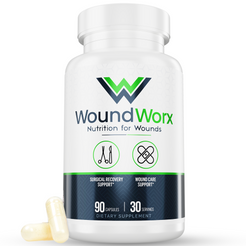
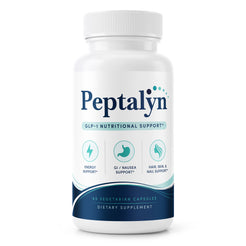
WoundWorx Surgery Supplement is formulated as a multi-nutrient capsule regimen to provide nutritional support for tissue repair before and after surgery. Free Life Labs positions it as convenient daily nutrition—not a substitute for medical care.
Canonical product URL (use this one): https://freelifelabs.com/products/woundworx-surgery-supplement-2
(An older handle, woundworx-wound-supplement, is not the live canonical page.)
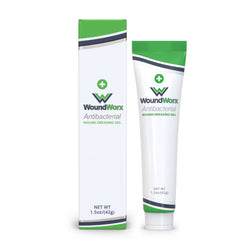
For topical needs on minor wounds per label and clinician guidance, see WoundWorx Antibacterial Wound Gel. Full line: WoundWorx collection.
Habits that support healing besides capsules
- Stop smoking and nicotine vaping as early as possible—nicotine impairs perfusion themes relevant to wounds
- Prioritize sleep in the weeks before surgery
- Arrange help for early post-op mobility and meal prep
- Follow incision-care instructions meticulously
- Report fever, spreading redness, or unexpected drainage promptly
- Keep follow-up appointments even if you “feel fine”
Special populations
Diabetes: Coordinate closely; nutrition and glucose targets interact with infection risk themes. Older adults: Protein and vitamin D discussions are especially common. Bariatric history: Malabsorption may require tailored plans and lab monitoring. Plant-based diets: Pay attention to protein quality, B12, iron, zinc, and total energy. Cosmetic surgery patients: Scar quality goals still depend on fundamentals—protein, nicotine cessation, and sun protection—not miracle pills.
Related reading
- Wound gel vs ointment: practical differences
- When to use wound gel
- Post-surgery nutrition that supports healing
Soft CTA
If you are preparing for an elective procedure and your clinician agrees nutritional support is appropriate, review WoundWorx Surgery Supplement. Free Life Labs (Boerne, TX): support@freelifelabs.com · 801-923-3878.
Conceptual citations
- Surgical nutrition reviews on protein and micronutrients in wound healing biology.
- Classic biochemistry of vitamin C in collagen synthesis.
- Enhanced recovery and prehabilitation education emphasizing modifiable nutrition factors.
- Clinical cautionary guidance on perioperative supplement disclosure and bleeding-risk agents.