Post Surgery Nutrition That Supports Healing
Share
The meals you eat after an operation can affect far more than your appetite. Thoughtful post surgery nutrition gives your body the protein, calories, fluids, vitamins, and minerals it needs while it repairs tissue, manages inflammation, and helps you regain strength for daily life.
That does not mean you need a perfect diet or a cabinet full of supplements. It means making recovery-friendly choices consistently, especially when pain, nausea, constipation, fatigue, or limited mobility make eating feel like work. Healing properly requires adequate nutrition, and a practical plan can help you stay focused on getting back on your feet.
Why Post Surgery Nutrition Matters
Surgery creates a controlled injury that your body must repair. Incisions need to close, immune cells need fuel, and damaged tissue needs building blocks to rebuild. At the same time, your metabolism may use more energy than usual, even when you are resting in bed or moving less than normal.
If you do not eat enough, your body may have a harder time maintaining muscle, supporting wound repair, and restoring energy. This can be especially relevant for older adults, people with diabetes, reduced appetite, digestive conditions, or a history of slow-healing wounds.
Recovery needs vary widely. A person recovering from a minor outpatient procedure may simply need regular balanced meals and hydration. Someone healing from joint replacement, abdominal surgery, a serious wound, or a procedure that limits swallowing or digestion may need a more structured plan from their surgeon, dietitian, or care team.
Start With Enough Protein
Protein is one of the most important parts of nutrition after surgery because it supplies amino acids, the materials your body uses to repair tissue and maintain muscle. When appetite is low, protein is often the nutrient people fall short on first.
Try to include a protein source at each meal and snack rather than saving it all for dinner. Eggs, Greek yogurt, cottage cheese, chicken, fish, turkey, lean meat, tofu, beans, lentils, and protein-rich milk can all work. Soft options such as yogurt, scrambled eggs, soups with beans or chicken, and smoothies may be easier when chewing feels uncomfortable or your appetite is limited.
How much protein you need depends on your body size, surgery, kidney function, activity level, and medical history. Your clinician may give you a specific target, particularly if you have a wound or are at risk for malnutrition. If you have kidney disease, do not dramatically increase protein without medical guidance.
Give Your Body Enough Energy to Heal
It is tempting to eat very lightly after surgery, particularly if you are worried about weight gain while less active. But strict dieting during recovery can work against healing. Your body needs calories as well as protein. When calories are too low, the body may use protein for energy instead of reserving it for repair.
Choose nutrient-dense foods that offer real nourishment in a manageable portion. Oatmeal made with milk, peanut butter on toast, avocado with eggs, full-fat yogurt, trail mix if approved for your diet, and soups enriched with beans, chicken, or olive oil can be useful options.
If you feel full quickly, aim for smaller meals every few hours. A smoothie can be a practical choice when a full plate feels overwhelming. Blend protein-rich yogurt or milk with fruit and, if appropriate for your needs, nut butter or a protein powder your healthcare professional has approved.
Focus on Nutrients That Support Wound Recovery
A balanced diet is more useful than chasing a single “healing” ingredient. Still, several nutrients play meaningful roles in tissue repair and immune function.
Vitamin C helps support collagen formation, which matters for skin and connective tissue. Citrus fruits, berries, kiwi, tomatoes, peppers, broccoli, and potatoes are common sources. Pairing vitamin C foods with plant-based iron sources, such as beans or spinach, can also help your body absorb iron more effectively.
Zinc supports normal immune function and wound healing. You can find it in meat, seafood, dairy foods, beans, nuts, and fortified cereals. Zinc supplements are not automatically better. Taking too much for too long can interfere with other minerals, including copper.
Vitamin A, vitamin D, iron, and B vitamins also support normal body functions involved in recovery. But supplementation should be individualized. A lab test, medication list, dietary restriction, or known deficiency may change what your clinician recommends. More is not always more when it comes to vitamins and minerals.
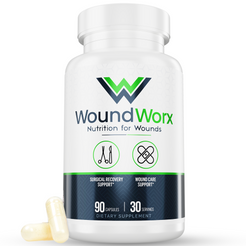
For people who need additional nutritional support, a complete formula designed for wound recovery may help fill gaps when food intake is inconsistent. Free Life Labs offers WoundWorx nutritional support as part of an at-home recovery routine, but it should complement - not replace - the eating plan and medical instructions provided by your care team.
Hydration Helps More Than Thirst
Dehydration can leave you feeling weak, dizzy, headachy, and constipated. It can also make it harder to meet recovery goals when you are already taking medications that affect your stomach or bowel habits.
Water is a strong default choice, but fluids can also come from milk, broths, soups, herbal tea, and water-rich foods. If nausea makes plain water unpleasant, try taking small sips throughout the day, using ice chips, or choosing a drink your care team has approved.
Your fluid needs may be different if you have heart failure, kidney disease, liver disease, or have been told to limit liquids. In those cases, follow your prescribed fluid plan instead of pushing extra water.
Manage Common Post-Op Eating Problems
The best recovery diet is one you can actually tolerate. Surgery, anesthesia, pain medication, and antibiotics can all change how your stomach feels for a while.
Nausea often improves with small, bland meals such as crackers, toast, rice, applesauce, soup, or a simple baked potato. Avoiding greasy, heavily spiced, or very large meals can help until your stomach settles. If nausea prevents you from drinking or eating, call your surgical team rather than trying to push through it.
Constipation is common with opioid pain medication and reduced movement. Fluids, fiber-rich foods, fruits such as prunes or pears, vegetables, oats, and gentle walking when cleared by your provider can help. Increase fiber gradually and drink enough fluids, since adding a large amount of fiber without enough liquid can make constipation worse.
Poor appetite may last a few days, but ongoing appetite loss deserves attention. Keep easy foods within reach and prioritize protein first when you can only manage a small amount. If you are losing weight without trying, skipping meals for several days, or becoming too weak to manage normal tasks, let your care team know.
Foods and Habits That Can Slow Recovery
You do not need to ban every treat, but recovery is a good time to limit habits that can make healing harder. Alcohol can interact with pain medicines, worsen dehydration, and interfere with sleep. Ask your surgeon when it is safe to drink again.
Smoking and nicotine use can reduce blood flow and impair wound healing. This includes cigarettes, vaping, and other nicotine products. If quitting feels difficult, tell your healthcare provider. Even temporary support during recovery can make a meaningful difference.
Highly processed foods, sugary drinks, and meals with very little protein or fiber should not become the foundation of your recovery diet. This is particularly important for people managing diabetes, because blood sugar that stays high can complicate wound healing. Follow your medication plan, monitor glucose as instructed, and contact your clinician if readings are outside the range you were given.
When to Call Your Care Team
Nutrition supports healing, but it cannot solve a surgical complication. Contact your surgeon or healthcare provider promptly if you cannot keep fluids down, have persistent vomiting or diarrhea, develop worsening weakness, or show signs of dehydration such as very dark urine, confusion, fainting, or minimal urination.
Call immediately for concerning wound changes, including spreading redness, increased warmth, swelling, drainage with a bad odor, worsening pain, fever, or an incision that opens. People with diabetes, poor circulation, neuropathy, or a history of foot wounds should be especially careful not to dismiss a small skin change.
Your recovery plate does not have to be complicated: a dependable protein source, colorful produce, satisfying energy foods, and steady fluids can carry you a long way. Give your body what it needs, follow your care instructions, and take each meal as one practical step toward greater comfort, mobility, and independence.
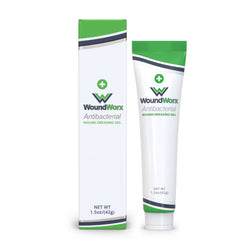
Learn more from Free Life Labs: pre-surgery nutrition for wound healing, WoundWorx collection, and WoundWorx wound gel. These resources use supplement-safe, educational language and are not medical advice.