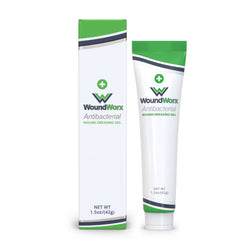
Wound Gel vs Ointment: Which Helps You Heal?
Share
A scrape that stings every time you move, a surgical incision that feels tight, or a cracked heel that keeps reopening can make one simple question feel urgent: wound gel vs ointment, which one is right for your skin? Both can support a protected healing environment, but they do different jobs. Choosing based on the wound's moisture level, depth, drainage, and location can help you care for it more confidently.
For people managing diabetes, neuropathy, reduced circulation, or limited mobility, small skin problems deserve extra attention. A wound does not have to be painful to be serious. Numbness can hide pressure, friction, or worsening damage, especially on the feet.
Wound Gel vs Ointment: The Practical Difference
Wound gels are typically water-based products designed to add moisture to a dry wound. Many have a cool, clear, lightweight feel. Depending on the formula, a gel may help soften dry tissue and keep the wound surface from becoming overly dry or sticking to a dressing.
Ointments are usually thicker and oil-based or petrolatum-based. Their primary strength is protection. They form a barrier that helps hold moisture in, reduce friction, and shield vulnerable skin from drying air or rubbing from clothing, socks, and shoes.
Neither format is automatically better. The right choice depends on what the wound looks like today, not just what it looked like when it started. Healing wounds can change quickly, and the product that makes sense early on may not be the best fit a few days later.
When a wound gel may make more sense
A gel can be useful when a wound bed appears dry, when there is little drainage, or when dry skin and tissue need gentle moisture. This can include some minor abrasions, shallow wounds with a dry surface, or areas where a lighter product is more comfortable.
Because gels tend to contain more water, they can feel soothing on tender skin. They may also be easier to use in a wound that needs moisture without the heavy, occlusive feel of an ointment. Some gels are made to donate moisture while still allowing the wound to be covered with an appropriate dressing.
The trade-off is that adding moisture to a wound that is already very wet or draining heavily can create too much moisture. Overly soggy skin around a wound can turn pale, soft, and fragile. This is called maceration, and it can make the wound edges more likely to break down.
When an ointment may make more sense
An ointment is often a practical choice for minor cuts, scrapes, superficial burns, and dry, cracked skin around an at-risk area. Its thick barrier can help protect skin from friction and prevent the wound surface from drying out too quickly.
For a small wound with minimal drainage, a thin layer of plain protective ointment under a clean dressing may help the dressing come off more comfortably. It can also be useful when the skin around the wound is dry and vulnerable to cracking.
The trade-off is that thick ointments can trap too much moisture or heat if they are applied heavily, especially beneath a sealed dressing. They are not the answer for every open wound, and they should not be packed into deep wounds, punctures, or surgical sites unless your clinician has specifically told you to do so.
Start With the Wound, Not the Product
Before reaching for gel or ointment, look at the basics. Is the wound dry or moist? Is fluid soaking through the dressing? Are the edges intact, or is the surrounding skin becoming white, wrinkled, red, or irritated? Is the area exposed to rubbing from footwear, bedding, or movement?
A dry, shallow wound with little drainage may benefit from a moisture-donating gel. A minor, clean wound that needs protection from rubbing may do well with a thin layer of ointment. A wound producing moderate or heavy drainage may need an absorbent dressing plan rather than additional gel or a thick occlusive layer.
Location matters, too. Feet are exposed to pressure and friction all day. A product that works well on an arm may not be appropriate between toes, beneath a tight shoe, or on the sole of the foot. If you have neuropathy, check your feet daily with a mirror or ask someone you trust to help inspect areas you cannot easily see.
A Simple At-Home Routine for Minor Wounds
For a minor wound that does not need urgent medical care, begin by washing your hands. Gently rinse the area with clean running water or saline, then pat the surrounding skin dry. Avoid repeatedly using hydrogen peroxide, rubbing alcohol, or harsh antiseptics unless a healthcare professional directs you to use them. These products can irritate healing tissue.
Apply only a thin amount of the selected product. More is not better. Cover the wound with a clean dressing suited to the amount of drainage, and change it when it becomes wet, dirty, loose, or as directed by your clinician.
Then reassess. Healthy healing often includes gradual improvement: less tenderness, smaller wound dimensions, new pink tissue, and less drainage over time. Take a photo with the same lighting every few days if you are monitoring a slow-healing area. It can make changes easier to notice than relying on memory alone.
Healing properly also requires adequate nutrition. Protein, fluids, and key nutrients support the body's repair process, particularly after surgery or during recovery from a larger wound. Topical care protects the surface, but your body still needs the building blocks to create new tissue.
When You Should Skip Self-Treatment
Do not rely on an over-the-counter gel or ointment alone for a deep wound, a bite, a puncture, a wound with embedded debris, or a wound caused by a serious burn. Surgical incisions should be cared for according to the surgeon's instructions, even if they appear small.
Seek prompt medical care if you notice spreading redness, warmth, swelling, worsening pain, pus-like drainage, a foul odor, fever, red streaks, black or gray tissue, or bleeding that will not stop. These can be signs of infection or tissue damage that needs professional attention.
People with diabetes, poor circulation, immune suppression, kidney disease, or a history of foot ulcers should contact a healthcare professional early for any new foot wound, blister, crack, or area of discoloration. Waiting for pain to signal a problem is not safe when neuropathy reduces sensation. A podiatrist or wound-care clinician can assess pressure, circulation, infection risk, and the dressing approach that best supports healing.
Protect the Skin Around the Wound
The wound itself gets attention, but the surrounding skin often determines whether recovery stays on track. Keep it clean, dry when appropriate, and protected from friction. Avoid adhesive products that tear fragile skin, and do not place a thick foot cream directly into an open wound unless the product and your clinician's instructions say it is appropriate.
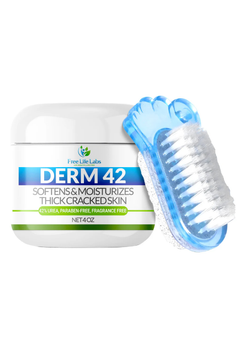
For intact but severely dry foot skin, targeted intensive care can help reduce cracking that creates another opening for bacteria. A maximum-strength urea cream, such as Derm 42 from Free Life Labs, is intended for thick, dry, cracked skin, not for application inside open wounds. Keep the distinction clear: repair dry, intact skin while using wound-appropriate care for broken skin.
The most useful choice is the one that matches the wound's needs and is followed by consistent observation. If the wound is not clearly improving, or you are unsure whether gel or ointment is appropriate, getting professional guidance early can protect your comfort, mobility, and independence.
Learn more from Free Life Labs: when to use wound gel, pre-surgery nutrition for wound healing support, and WoundWorx collection. These resources use supplement-safe, educational language and are not medical advice.