When to Use Wound Gel for Better Healing
Share
A wound that feels dry, tight, or stuck to its dressing can make every step uncomfortable. Knowing when to use wound gel can help you protect delicate tissue, support a healthy healing environment, and avoid adding irritation to an already stressful problem.
Wound gel is often helpful for wounds that need moisture, but it is not the right choice for every cut, sore, or post-operative site. The goal is not simply to put something on the wound. The goal is to keep the wound clean, appropriately moist, protected from friction, and monitored for signs that it needs professional care.
What wound gel does
Many wound gels are hydrogels: water-rich products designed to donate moisture to dry wound tissue. A moist wound environment can support the body’s natural repair process and may help soften dry material that is difficult to remove. Gel can also feel cooling and soothing when a wound is tender.
A wound gel is usually covered with a secondary dressing, such as a non-stick pad or another dressing recommended by a healthcare professional. The cover helps keep the gel in place and protects the area from dirt, rubbing, and pressure.
Not every product called a wound gel works the same way. Some gels are intended to add moisture, while others may contain ingredients for specific wound-care needs. Read the product directions carefully and use the product only for its labeled purpose. If your clinician has recommended a particular dressing plan, that plan should come first.
When to use wound gel
Wound gel is generally most useful when a wound bed is dry or has minimal drainage. In these cases, moisture may help prevent the tissue from drying out and help keep a dressing from adhering to the wound.
Dry, shallow wounds
A simple, shallow wound with dry tissue may benefit from a thin layer of gel under an appropriate cover dressing. This can include minor abrasions, small skin tears, or superficial wounds that are clean and not heavily draining.
The key word is shallow. Wound gel does not replace a medical assessment for a deep cut, a puncture wound, or a wound with separated edges. Those injuries may need closure, cleaning, a tetanus update, or other treatment.
Wounds with dry, stuck-on debris
When dry, nonliving tissue or debris is present, certain hydrogels can help rehydrate and soften it. This process may make the area easier to manage during dressing changes. It should be done carefully, particularly if the wound is painful, large, long-standing, or located on the foot.
If you have diabetes, poor circulation, neuropathy, or reduced feeling in your feet, do not try to remove dry tissue aggressively at home. A podiatrist or wound-care clinician can determine whether the tissue is safe to manage and which dressing is appropriate.
Painful wounds that need a gentler dressing change
A dry dressing can sometimes stick to a fragile wound surface. Removing it may pull at newly healing tissue and cause bleeding or pain. A gel-based approach, used correctly, can help maintain moisture and make dressing removal less traumatic.
This can be especially valuable for adults whose skin is thin, easily damaged, or slow to recover after an injury or procedure. Still, more moisture is not always better. The surrounding skin should not become white, soggy, or fragile.
When wound gel may not be the best choice
A wound gel can be useful support, but it is not a universal solution. If a wound is producing moderate to heavy drainage, adding a moisture-donating gel may leave the area too wet. Excess moisture can soften and break down the healthy skin around the wound, a problem called maceration.
For a heavily draining wound, an absorbent dressing may be more appropriate. Some wounds also need specialized care for pressure relief, circulation problems, infection control, or dead tissue removal. A dressing alone cannot solve those underlying concerns.
Be cautious about using wound gel on wounds that are bleeding heavily, deep, caused by an animal or human bite, contaminated with dirt, or caused by a burn. Seek prompt medical guidance for these injuries rather than relying on an at-home product.
Do not use wound gel as a reason to delay care for a wound that is not improving. A wound that remains open, becomes more painful, or fails to show progress deserves attention - especially for people managing diabetes or circulation concerns.
How to apply wound gel safely
Start by washing your hands thoroughly. If you have been given instructions by a surgeon, podiatrist, or wound-care team, follow those instructions rather than a general routine.
Gently rinse the wound as directed, often with clean water or sterile saline. Avoid repeatedly using hydrogen peroxide, rubbing alcohol, or iodine unless a clinician specifically instructs you to do so. These products can irritate healthy tissue and may slow healing when used routinely.
Pat the surrounding skin dry. Apply only the amount of wound gel directed on the label or by your clinician, usually a thin layer over the wound surface. Avoid packing a wound deeply unless you have been specifically taught to do so. Cover the area with the recommended dressing and secure it without wrapping so tightly that it causes numbness, color changes, swelling, or increased pain.
Change the dressing based on the product instructions, the amount of drainage, and your clinician’s advice. Each time you change it, look closely at the wound and the nearby skin. Healing usually involves gradual improvement: less tenderness, healthier-looking tissue, and a wound that becomes smaller over time.
Foot wounds need extra caution
For someone with neuropathy, a small blister, crack, or scrape can become serious before it feels painful. Numbness may prevent you from noticing pressure from a shoe, a piece of debris, or a dressing that has shifted. Reduced circulation can also slow the repair process.
If you have diabetes, peripheral neuropathy, a history of foot ulcers, or poor blood flow, contact a healthcare professional promptly for any new foot wound. This includes wounds that appear minor. Do not walk on an open sore without appropriate protection, and do not use a gel to cover up a problem caused by ongoing pressure.
Pressure relief is often as important as the dressing itself. A wound on the bottom of the foot may not heal properly if each step continues to press on it. Your clinician may recommend footwear changes, padding, offloading, or limited weight-bearing to protect the area.
Signs a wound needs medical care
A wound should be evaluated promptly if you notice spreading redness, warmth, swelling, worsening pain, pus-like drainage, a bad odor, fever, chills, or red streaks moving away from the wound. These may be signs of infection and should not be managed with wound gel alone.
Seek urgent care for uncontrolled bleeding, exposed bone or tendon, a deep wound, loss of movement, numbness after an injury, or a wound caused by a dirty object if your tetanus vaccination may not be current. Call emergency services for severe bleeding that does not stop with firm direct pressure or for symptoms of a serious systemic illness.
It is also wise to call your clinician if a wound becomes darker, develops black tissue, has increasing drainage, or shows no meaningful improvement within a few days. For chronic wounds and post-operative incisions, your care team should set expectations for what normal healing looks like.
Support healing beyond the dressing
The right dressing matters, but healing properly requires adequate nutrition, hydration, circulation, and protection from repeated injury. Protein, vitamins, and minerals give the body raw materials for tissue repair. Managing blood sugar, avoiding tobacco, and taking pressure off an injured area can make a meaningful difference as well.
A wound gel can be a practical part of an at-home wound-care routine when it matches the condition of the wound. Use it to support a clean, moist, protected environment - and let changes in the wound guide your next step. If something does not look or feel right, getting help early can protect your comfort, mobility, and confidence.
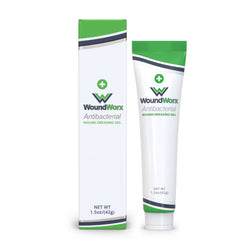
Learn more from Free Life Labs: wound gel vs ointment, pre-surgery nutrition and wound healing, and WoundWorx collection. These resources use supplement-safe, educational language and are not medical advice.