Neuropathy Supplements and Complete Nerve Support
Share
Burning feet at night, pins-and-needles sensations, or numbness that makes every step feel uncertain can take more than comfort from your day. They can limit walks, disrupt sleep, and make you hesitate before doing the things that keep you independent. Neuropathy supplements can be a practical part of a nerve-support routine, but the right formula should do more than make broad promises. It should provide purposeful nutritional support, fit safely with your care plan, and address the real-life impact of nerve discomfort.
What Neuropathy Supplements Can and Cannot Do
Peripheral neuropathy describes nerve damage or nerve dysfunction, often felt in the feet, toes, hands, or lower legs. Symptoms can include numbness, tingling, burning, sharp pain, sensitivity to touch, muscle weakness, and balance changes. Diabetes is a common cause, but neuropathy may also be connected to vitamin deficiencies, medication effects, alcohol use, autoimmune conditions, circulation concerns, back problems, and other health issues.
A supplement is not a substitute for identifying and managing the cause. If blood sugar is running high, for example, nutritional support works best alongside a diabetes plan developed with your healthcare provider. If a medication, vitamin deficiency, or another condition is contributing to symptoms, that needs direct attention too.
What a well-made formula may offer is supportive nutrition for nerve health, antioxidant defenses, cellular energy, and healthy circulation. Those are meaningful goals when you are building an at-home routine designed to help you stay active and comfortable. Results vary, and supplements do not work overnight. Nerves recover slowly, so consistency and realistic expectations matter.
Ingredients That Matter in a Complete Formula
Not every bottle with the word “nerve” on the label has the same purpose. Some products rely on a single popular ingredient at a dose that may not be appropriate for every person. Others pack in long lists without explaining why the ingredients belong together. A complete formula should be built around nutrients and compounds with clear roles in nerve support.
B vitamins for nerve function
Several B vitamins are essential to normal nerve function. Vitamin B12 supports nerve health and red blood cell production, while vitamin B1 plays a role in energy metabolism. Vitamin B6 is also involved in nerve function, but more is not always better. High amounts of B6 taken over time can itself contribute to nerve symptoms in some people.
That is why thoughtful formulation matters. A supplement should not treat vitamins as a race to the biggest number on the label. If you suspect a deficiency, especially B12 deficiency, ask your clinician about testing. This is particularly relevant for adults taking metformin or acid-reducing medications, as well as those following restrictive diets.
Alpha-lipoic acid and antioxidant support
Alpha-lipoic acid is commonly included in neuropathy-focused formulas because it supports antioxidant activity and cellular energy pathways. Oxidative stress can place added strain on tissues, including nerves, especially when blood sugar has been difficult to manage. Some people find this ingredient useful as part of a broader approach to diabetic peripheral neuropathy symptoms.
It may also affect blood sugar. Anyone using insulin or glucose-lowering medication should discuss alpha-lipoic acid with a healthcare professional and monitor glucose as advised.
Acetyl-L-carnitine and cellular energy
Nerves require energy to function and maintain themselves. Acetyl-L-carnitine is an amino acid-related compound involved in energy metabolism and is frequently studied in connection with nerve health. It may be a sensible component in a formula designed around long-term nutritional support rather than short-lived stimulation.
As with any ingredient, individual response differs. A healthcare provider can help determine whether it makes sense alongside your medications and health history.
Benfotiamine and targeted thiamine support
Benfotiamine is a fat-soluble form related to vitamin B1. It is often selected for nerve-support formulas because it is designed for absorption and supports pathways associated with glucose metabolism. For people managing diabetic nerve concerns, this may be especially relevant, though it still belongs within a full blood sugar and foot-care strategy.
Minerals and plant-based compounds
Magnesium, zinc, and certain plant compounds may support normal metabolic processes, antioxidant activity, or circulation. Their value depends on the form, dose, and the rest of the formula. The presence of an ingredient alone does not prove a product is effective. Look for a clear supplement facts panel and a reasoned combination of ingredients.
How to Choose Neuropathy Supplements Wisely
The best choice is rarely the product with the loudest claim. Start by looking for transparent labeling and ingredients selected for complementary roles. A formula that supports nerve nutrition, energy production, and antioxidant protection is generally more purposeful than a one-ingredient product marketed as a cure.
Quality also includes what is left out. Be cautious with formulas that use excessive vitamin B6, make guaranteed claims about reversing nerve damage, or do not disclose ingredient amounts. “Natural” does not automatically mean safe, especially if you take prescriptions for diabetes, blood pressure, blood thinning, mood, seizures, or thyroid health.
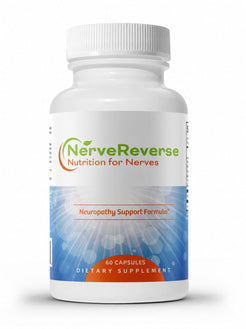
Free Life Labs created NerveReverse as a complete formula with 20 clinically studied ingredients selected to support nerve health and help people dealing with numbness, burning, and tingling pursue greater day-to-day comfort. It is designed as supportive care, not as a replacement for medical diagnosis or treatment.
Before adding a new supplement, bring the label to your pharmacist or clinician if you take medication, are pregnant or nursing, have kidney or liver disease, or have an upcoming procedure. This simple step can help prevent unwanted interactions and give you greater confidence in your routine.
Build a Daily Routine That Supports Your Feet and Nerves
A supplement can be useful, but it is only one layer of care. Nerve discomfort is often easier to manage when you protect the feet, support circulation, and respond early to changes.
For many people, that means checking feet every day for blisters, cracks, redness, swelling, pressure spots, or cuts they may not fully feel. Wear shoes that fit well and avoid walking barefoot, even at home. If your skin is severely dry or cracked, a concentrated foot cream may help restore the skin barrier, but open wounds should be assessed by a healthcare professional.
Movement matters too. Gentle walking, chair exercises, stretching, or physical therapy can support circulation, strength, and confidence with balance. The right activity depends on your mobility and foot condition. If pain, numbness, or balance changes make walking unsafe, ask for guidance rather than pushing through.
Blood sugar management is central for people with diabetes. So are adequate protein, hydration, sleep, and regular meals. Healing properly requires adequate nutrition, particularly when appetite is low, recovery is underway, or a medication has changed how much you can eat.
Topical comfort measures may also have a place. A maximum-strength 4% menthol cream can provide fast-acting cooling relief for temporary discomfort, while a nutritional formula supports the body from within. They serve different functions and can be used as part of a practical, layered routine when appropriate for your skin and health needs.
When Symptoms Need Medical Attention
Do not assume new or worsening nerve symptoms are something to manage alone. Contact a healthcare professional promptly if numbness, burning, or weakness is getting worse, spreading quickly, affecting one side of the body, or causing falls. New trouble walking, sudden weakness, loss of bladder or bowel control, chest pain, facial drooping, or difficulty speaking requires urgent medical attention.
Foot concerns also deserve quick action. Call your clinician for a wound, drainage, increasing redness, warmth, swelling, blackened skin, fever, or a sore that does not begin improving. People with diabetes should be particularly careful because numbness can make a minor injury easy to miss and slower to heal.
A clinician can assess whether symptoms are related to neuropathy, circulation, spinal issues, medication effects, vitamin status, or another cause. Getting that answer can protect your mobility and help you choose support that actually fits your needs.
Give Your Routine Time and Pay Attention to Changes
Start with a clear goal: fewer nighttime tingles, more comfortable steps, better sleep, or the confidence to be on your feet longer. Track symptoms for several weeks, including what time of day they occur and what seems to aggravate or ease them. This gives you useful information to share at appointments and helps separate real progress from day-to-day fluctuation.
The goal is not to ignore symptoms or settle for less life. With thoughtful nutritional support, protective foot care, and the right medical guidance, you can take steady steps toward more comfort, more confidence, and more freedom in your everyday routine.