Best Footwear for Diabetic Neuropathy That Fits
Share
A small pebble, a folded sock seam, or a shoe that rubs the same spot every day can become a serious problem when your feet are numb. That is why finding the best footwear for diabetic neuropathy is less about following a trend and more about protecting your skin, improving stability, and making each step more comfortable.
Neuropathy can cause numbness, burning, tingling, sharp pain, or reduced awareness of pressure and injury. Diabetes can also reduce circulation and slow healing. The right shoes cannot reverse neuropathy, but they can reduce common sources of rubbing, pressure, and falls that put vulnerable feet at risk.
What Makes Footwear Safe for Neuropathy?
The safest footwear creates a protective environment around the foot. It should have enough room for toes to rest naturally, a stable base beneath you, and a smooth interior that will not create hidden friction. A shoe that feels merely "okay" in the store may not be a safe choice if it pinches after an hour of walking or leaves redness on your skin.
Fit comes first. Your toes should have space to move without hitting the front of the shoe, while your heel should stay secure rather than sliding up and down. Many people find that a wide or extra-wide size provides needed room, especially if swelling, bunions, hammertoes, or thickened skin are present.
Look for a toe box that is deep as well as wide. Depth matters when toes curl, swelling changes through the day, or you use a custom insole. A narrow, pointed shoe may look polished, but it can concentrate pressure where your skin needs relief.
A Smooth, Protective Interior
Inspect the inside of every shoe with your hand before wearing it. Feel for rough stitching, raised seams, loose material, wrinkles, and hard edges around the heel. If you have reduced sensation, you may not feel irritation until a blister, callus, or sore has already developed.
A soft, moisture-managing lining can help reduce friction. Removable insoles are also useful because they make it easier to check the shoe interior, accommodate orthotics, and replace worn cushioning. Keep in mind that a very soft shoe is not automatically a safe shoe. It still needs enough structure to keep your foot from shifting around.
Cushioning With Stability
Cushioning helps absorb impact, which can make walking more comfortable when your feet burn or ache. Yet overly thick, unstable foam may make balance harder for someone with numbness or weakness. The best option is usually supportive cushioning paired with a firm heel counter and a broad, steady sole.
A heel counter is the structured back portion of the shoe. Press it gently. It should feel supportive rather than collapsing easily. Underfoot, choose a sole with reliable traction and a stable platform. This can help reduce slipping on smooth floors, wet pavement, or uneven sidewalks.
Best Footwear for Diabetic Neuropathy by Situation
There is no single shoe that works for every foot. The best choice depends on your daily activity, shape of your foot, balance, skin condition, and whether you have been prescribed custom inserts or diabetic shoes by a clinician.
Everyday Walking Shoes
For errands, neighborhood walks, and daily activity, a supportive walking or athletic shoe is often a practical place to start. Choose a lace-up or hook-and-loop closure so you can adjust the fit as swelling changes. Slip-on shoes can be convenient, but many do not hold the heel securely enough for regular walking.
Try shoes on later in the day, when feet may be at their largest. Wear the socks you plan to use with them, and walk on a firm surface before deciding. There should be about a thumb's width between your longest toe and the front of the shoe. Do not assume both feet are the same size. Fit the larger foot.
House Shoes and Slippers
Going barefoot at home can feel natural, but it raises the chance of cuts, burns, splinters, and stubbed toes. Thin slippers may be little better. A safer indoor option has a closed toe, closed heel or secure heel strap, non-slip sole, and enough protection under the foot.
Avoid loose, floppy slippers that can catch on rugs or stairs. If you need something easy to put on, look for an adjustable closure rather than a backless design. The goal is simple: comfortable protection that stays on your foot.
Work, Dress, and Occasion Shoes
Dress shoes can be challenging because many are narrow, stiff, or have elevated heels. If you need a more polished style, prioritize a rounded toe, low heel, secure closure, and soft interior. Bring your usual insole if you use one. A shoe that fits without it may become too tight once the insole is added.
For work that involves long periods of standing, choose shoes with shock absorption and a stable sole. Rotate between two well-fitting pairs when possible. Alternating shoes allows them to dry fully and may help you notice wear before the interior breaks down.
Features to Avoid
Some footwear creates risk even if it does not hurt right away. High heels shift pressure toward the forefoot and can affect balance. Narrow toe boxes squeeze toes together. Sandals and flip-flops leave skin exposed, while backless styles can make you grip with your toes to keep the shoe on.
Be cautious with shoes that are worn unevenly, especially if the sole is tilted or the heel is broken down. A familiar pair may feel comfortable, but worn-out footwear can change your gait and create new pressure points. Replace shoes when cushioning has flattened, tread has worn smooth, or the lining has become rough.
Never rely on a larger size to solve a width problem. A shoe that is too long can allow the foot to slide, causing friction at the heel and toes. Width, depth, and secure closure matter as much as length.
Socks Are Part of the Fit
A good shoe can still rub if the sock bunches, traps moisture, or has a thick seam across the toes. Choose clean, dry socks that fit smoothly and do not bind at the calf. Seamless or low-seam styles may be more comfortable for sensitive feet.
Moisture-wicking fabrics can be useful if your feet sweat, while thicker cushioning may help with pressure comfort. The right thickness depends on your shoe fit. If adding a thicker sock makes the shoe tight, do not force it. Tightness can restrict circulation and increase friction.
Check Your Feet After New Shoes
New shoes should be introduced gradually. Wear them for a short period indoors first, then inspect both feet. Use a mirror to see the soles, or ask a family member or caregiver to help if bending is difficult.
Look for redness, blisters, cracks, calluses, swelling, drainage, or areas that feel warmer than the surrounding skin. Redness that does not fade after removing the shoe is a warning sign that pressure needs to be addressed. Stop wearing the shoe until you understand the cause.
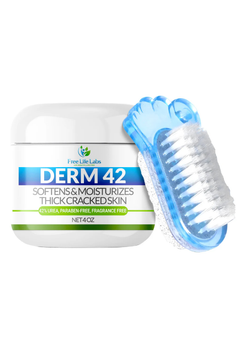
Daily skin care also supports safer footwear. Dry, cracked heels are more vulnerable to splitting and infection. A maximum-strength urea cream such as Free Life Labs Derm 42 can help soften thick, dry skin when used as directed, but do not apply cream between the toes unless your healthcare professional tells you to. That area should stay clean and dry.
When to Ask a Podiatrist for Help
If you have had a foot ulcer, amputation, Charcot foot, severe deformity, poor circulation, or repeated calluses, shoe shopping should not be a trial-and-error process. A podiatrist or other qualified clinician can assess pressure areas, recommend diabetic shoes or custom orthotics, and help determine whether you qualify for therapeutic footwear coverage.
Contact a healthcare professional promptly for a new wound, blister, redness that persists, drainage, odor, blackened skin, increasing swelling, or a foot that is suddenly warm or painful. With neuropathy, an injury can become serious faster than it appears.
The right pair of shoes should help you feel steadier, more protected, and more willing to move through your day. Choose comfort, but look beyond comfort: a secure fit, healthy skin, and daily foot checks are what help keep freedom in every step.