Diabetic Foot Care and Dry Cracked Heels: A Moisturize-and-Monitor Approach
Share
Dry, cracked heels are common. When diabetes is part of the picture, those cracks deserve extra respect. Reduced sensation, circulation changes, and slower barrier recovery can turn a simple fissure into a portal for infection if unnoticed.
This article focuses on practical daily foot care, how moisturizers including high-strength urea creams like Derm 42 may support softer skin under clinician guidance, and when to escalate care. It does not provide medical treatment advice or claim to cure diabetes-related complications.
Why dry heels are a bigger deal with diabetes
Autonomic and sensory nerve changes can reduce sweating and awareness of skin injury. Combined with footwear friction and callus buildup, heels may become thick and split. Because pain signals may be muted, visual inspection becomes the safety net.
Glucose history also influences skin barrier quality and immune response themes discussed in clinical foot-care education. That is why “just cosmetic” thinking is risky: a heel fissure is a break in the body’s first line of defense.
Podiatry education consistently emphasizes: inspect, moisturize, protect, and professionalize care for concerning lesions.
Daily diabetic foot care checklist
- Look at the tops, soles, heels, and between toes every day (use a mirror or phone camera if needed).
- Wash with lukewarm water; dry carefully, especially between toes.
- Moisturize dry areas of the feet—but keep excess cream out of toe webs unless directed otherwise (maceration between toes is a different problem).
- Wear protective footwear indoors if your clinician advises against barefoot walking.
- Trim nails carefully or have a professional do it if vision, reach, or thickness is an issue.
- Report new cracks, blisters, color changes, drainage, or swelling the same day they appear.
- Check shoe interiors for pebbles or rough seams before putting them on.
Never ignore a wound that probes deep, smells, or is accompanied by fever or red streaking.
Moisturizers and urea: where they help
For xerosis and heel fissures, moisturizers restore flexibility so skin is less likely to split further. Urea is widely discussed in dermatology/podiatry for dry foot skin because it hydrates and helps soften thickened keratin.
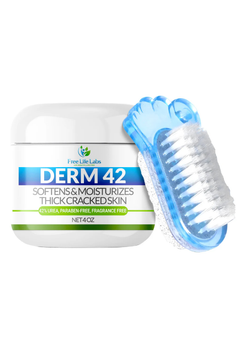
High-strength options around 42% urea are often considered when ordinary lotions fail to change heel texture. Derm 42 provides maximum-strength 42% urea cream for dry, cracked, rough skin as part of Free Life Labs’ clinician-familiar catalog.
Critical caveat: If skin is already ulcerated, infected, or heavily macerated, do not self-experiment—get hands-on clinical care first. Your podiatrist will tell you whether high-urea cream is appropriate around intact hyperkeratotic areas.
Application tips often shared in foot clinics (confirm for your case):
- Apply to clean, dry heels after bathing
- Use consistently rather than only when fissures hurt
- Pair with socks at night if recommended
- Keep a dedicated towel for feet if infection history exists
What not to do
- Do not perform bathroom surgery on calluses with blades or scissors
- Do not soak feet in hot water for long periods
- Do not use harsh medicated corn removers on numb feet without guidance
- Do not ignore footwear that rubs the same spot daily
- Do not assume tingling is “just dryness”—nerve symptoms deserve their own evaluation
- Do not walk barefoot outdoors or on hot pavement
Footwear and pressure: the hidden half of heel care
Cream cannot outcompete a collapsed heel counter or a worn-out athletic shoe. Ask about:
- Depth shoes or diabetic footwear programs when indicated
- Soft heel cups or orthotic adjustments
- Activity pacing if you are newly increasing steps after a glucose plan change
Pressure + dryness is a common recipe for fissures; remove either factor and healing environments improve.
Connecting skin care and nerve nutrition conversations
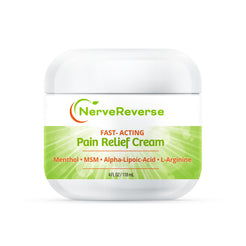
Some people managing glucose also discuss nerve comfort nutrition with their clinicians. That is a separate lane from topical heel care. Oral formulas such as NerveReverse Neuropathy Support Formula are dietary supplements for nerve nutritional support—not treatments for ulcers or infections.
Keep lanes clear:
- Topical urea → skin softness/moisture support
- Oral nerve nutrition → nutrient support for nerve health
- Medical care → ulcers, infection, vascular disease, footwear therapy
If both dry heels and nerve sensations are on your list, your clinician can sequence priorities—often skin integrity and footwear first while nutrition support runs in parallel.
Seasonal and travel considerations
Winter heating, airplane cabins, and beach sand all dry or abrade heels. Pack moisturizer when you travel, inspect feet after long sightseeing days, and do not wait until you are home to address a new crack.
Public showers call for protective footwear; cracks plus communal surfaces are a poor pairing.
Building a podiatry partnership
Ask your foot specialist:
- How often should I schedule preventive visits?
- Which moisturizer strength is right for my heels?
- Do I need custom orthotics or depth shoes?
- What does an emergency red-flag look like for me personally?
- Who covers urgent issues when you are away?
Bring your current cream and supplements list to appointments so recommendations do not conflict.
Related reading
- 42% urea cream for cracked heels
- Callus risks when you have diabetes
- Alpha-lipoic acid for nerve nutritional support
Soft CTA
If your clinician recommends a high-strength urea cream for intact but severely dry heels, review Derm 42 and the Derm 42 collection. Free Life Labs: support@freelifelabs.com · 801-923-3878.
Education themes referenced
- Diabetes foot-care guidelines emphasizing daily inspection and moisture balance.
- Podiatry approaches to xerosis and heel fissures.
- Dermatologic use of urea across concentrations for dry skin support.
- Footwear and offloading principles in lower-extremity prevention education.