Alpha Lipoic Acid 600mg for Nerve Support: What the Research Themes Suggest
Share
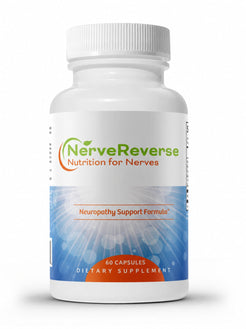
If you have researched nutritional approaches to nerve comfort, you have almost certainly seen alpha-lipoic acid (ALA)—often at 600 mg per day. That dose did not appear by accident. It shows up repeatedly in clinical research themes on antioxidant support and nerve-related symptoms, and it is a cornerstone ingredient in many clinician-dispensed formulas, including NerveReverse Neuropathy Support Formula.
This article explains what ALA is, why 600 mg is commonly discussed, how to think about it as nutritional support (not a disease cure), and how it fits alongside other nutrients used for nerve health.
What is alpha-lipoic acid?
Alpha-lipoic acid is a naturally occurring compound involved in mitochondrial energy metabolism. Your body makes small amounts, and it is also found in foods such as spinach, broccoli, and organ meats—though food alone rarely matches supplemental doses used in studies.
Two properties make ALA interesting for nerve-focused nutrition:
- Antioxidant activity — ALA can participate in redox cycling and help regenerate other antioxidants (themes discussed across biochemistry literature).
- Water- and fat-soluble behavior — Unlike many antioxidants that prefer one environment, ALA is often described as versatile across cellular compartments.
Researchers have long studied ALA in the context of oxidative stress and microvascular factors that influence peripheral nerve comfort. That does not mean a supplement “cures neuropathy.” It means ALA is a biologically plausible nutrient for supporting a healthy nerve environment.
Why 600 mg shows up so often
Across randomized and controlled trial themes—especially European research programs on oral ALA—the 600 mg daily dose is one of the most frequently evaluated regimens for adults seeking support related to nerve symptoms. Some study protocols have explored intravenous ALA in clinical settings; oral 600 mg became a practical outpatient parallel in many discussions.
Important framing:
- Study populations, durations, and endpoints vary.
- Results are about symptom scores and functional measures in research settings—not a guarantee for every individual.
- Dietary supplements are regulated differently from drugs and are not approved to treat disease.
Still, for formulators building a serious nerve-support product, 600 mg of ALA is a dose that aligns with the most commonly cited oral research theme rather than a token “label decoration” amount.
How ALA may support nerve comfort (mechanisms in plain language)
Peripheral nerves are metabolically active and sensitive to oxidative stress and local circulation. Nutritional science discussions around ALA typically emphasize:
- Supporting antioxidant defenses in tissues under metabolic stress
- Helping maintain healthy endothelial and microvascular function themes relevant to nerve beds
- Participating in mitochondrial enzyme complexes tied to cellular energy
When people feel burning, tingling, or numbness, the causes can be multifactorial (glucose history, medications, B-vitamin status, mechanical compression, and more). ALA is one tool in a broader plan that should always include clinician guidance.
ALA alone vs. a complete nerve-support formula
Alpha-lipoic acid is powerful—but nerve nutrition is rarely a one-ingredient story. Many clinicians also evaluate:
- Benfotiamine (a fat-soluble form of vitamin B1) for thiamine-related pathways
- Methylcobalamin (B12) and L-methylfolate for methylation-friendly B vitamin support
- Vitamin B6 as P5P and vitamin D3 for broader neuromuscular and metabolic nutrition
That is why comprehensive formulas exist. NerveReverse pairs ALA 600 mg with clinically oriented B vitamins rather than offering ALA in isolation. The goal is stacked nutritional support for people who want a once-daily regimen designed around real-world dosing themes.
How to use an ALA-containing supplement wisely
Talk to your healthcare provider first, especially if you take diabetes medications, thyroid medication, or chemotherapy agents, or if you are pregnant. ALA can influence glucose handling in some contexts; your clinician may want to monitor you.
Practical tips:
- Take with food if you have a sensitive stomach.
- Give nutritional support several weeks of consistent use before judging response.
- Track sleep, activity, foot care, and medication adherence—supplements work best inside a complete routine.
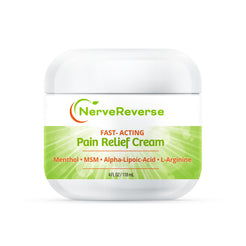
- Consider topical comfort options such as NerveReverse Fast-Acting Pain Relief Cream for localized, temporary relief while oral nutrition does longer-horizon work.
Quality markers that matter more than marketing
When comparing ALA neuropathy-support supplements, look past flashy claims:
- Dose transparency (is ALA actually ~600 mg?)
- Companion nutrients with rational doses
- Formulated and Manufactured in the USA / FDA-registered / cGMP manufacturing
- Third-party testing
- Doctor-dispensed distribution (often a signal of clinician comfort with the formula)
- Clear money-back guarantee policies
Free Life Labs builds to those standards and positions NerveReverse as nutritional support—not a miracle cure.
Supplement-safe expectations
Be wary of language promising to “reverse neuropathy overnight” or “eliminate nerve disease.” Ethical brands and clinicians use support language: supports nerve health, supports antioxidant status, may help with comfort as part of a broader plan.
If symptoms are new, rapidly worsening, asymmetric, or accompanied by weakness, seek medical evaluation promptly. Supplements are not a diagnostic tool.
Related reading
- Benfotiamine vs thiamine for nerve support
- Methylcobalamin vs cyanocobalamin for nerves
- Metformin, B12 status, and nerve health
Soft next step
If you and your clinician are looking for an oral formula that centers alpha-lipoic acid 600 mg alongside methylated B vitamins and benfotiamine, review NerveReverse Neuropathy Support Formula and the full NerveReverse collection. Questions? Contact Free Life Labs at support@freelifelabs.com or 801-923-3878.
References & further reading (themes; not an exhaustive bibliography)
- Clinical research programs evaluating oral alpha-lipoic acid around 600 mg daily for nerve-related symptom scores (European outpatient ALA literature themes).
- Reviews on ALA’s dual antioxidant solubility and mitochondrial cofactor roles in nutritional biochemistry texts.
- Broader guidance: dietary supplements are not drugs; discuss use with a qualified healthcare professional.