Benfotiamine vs Thiamine for Nerve Support: What’s the Difference?
Share
Vitamin B1 (thiamine) is essential for carbohydrate metabolism and nervous system nutrition. On supplement labels you will see plain thiamine (often as thiamine hydrochloride) and a fat-soluble relative called benfotiamine. Nerve-focused formulas—including NerveReverse—frequently choose benfotiamine on purpose.
This article compares the two forms, summarizes why formulators care about lipid solubility, and keeps claims ethical: nutritional support for nerve health—not disease treatment.
Thiamine basics
Thiamine helps enzymes move glucose-derived energy through pathways your nerves and muscles depend on. Frank thiamine deficiency is uncommon in many high-income settings but still appears with severe alcohol use disorder, prolonged poor intake, hyperemesis, or certain malabsorption states—medical emergencies when neurologic signs are dramatic.
Everyday “nerve comfort” shoppers are usually not correcting beriberi; they are looking for optimized B1 nutrition in a broader peripheral nerve support stack.
What makes benfotiamine different?
Benfotiamine is a synthetic S-acyl derivative of thiamine designed to be more lipid-soluble. Research and formulation literature often discuss higher bioavailability and tissue delivery themes compared with water-soluble thiamine salts at similar oral intakes.
In plain language: benfotiamine was developed to get thiamine activity into the body more efficiently when oral water-soluble forms face limits. That pharmacokinetic story is why it shows up in diabetic neuropathy–adjacent nutrition research themes and clinician-dispensed products.
Important nuance: better delivery characteristics do not automatically equal a miracle outcome for every person. They do justify why a premium nerve formula may cost more than a basic B-complex.
Side-by-side comparison
| Feature | Thiamine (e.g., HCl) | Benfotiamine |
|---|---|---|
| Solubility | Water-soluble | Fat-soluble derivative |
| Typical use | General B-complex, deficiency prevention | Targeted nerve-support formulas |
| Research themes | Classic deficiency / Wernicke contexts | Advanced glycation / nerve nutrition study themes |
| Cost | Lower | Higher |
| Stacking | Fine in multis | Often paired with ALA, methyl B12, etc. |
Research themes (high level, non-fabricated)
Clinical and experimental programs—particularly in Europe and metabolic nutrition research—have evaluated benfotiamine for outcomes related to nerve symptom scores and metabolic stress markers. Study designs, doses, and results vary; readers should treat headlines cautiously.
Separately, foundational biochemistry explains thiamine’s role in dehydrogenase enzyme complexes. That mechanistic clarity is why B1 belongs in nerve conversations even when marketing gets ahead of evidence.
We intentionally do not invent DOIs here. Ask your clinician or pharmacist for the latest peer-reviewed summaries relevant to your case.
Why NerveReverse uses benfotiamine
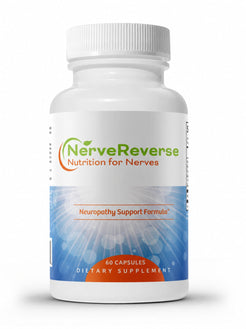
NerveReverse Neuropathy Support Formula includes extra-strength benfotiamine alongside:
- Alpha-lipoic acid 600 mg
- Methylcobalamin (B12)
- L-methylfolate (B9)
- P5P (active B6)
- Vitamin D3
The design goal is a cohesive, clinically dosed oral regimen for people seeking nerve nutritional support—often in doctor-dispensed settings—rather than a token sprinkle of B1.
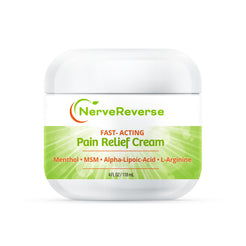
Explore companion options in the NerveReverse collection, including topical cream for temporary localized comfort.
Who might discuss benfotiamine with a clinician?
- Adults already optimizing glucose care who want structured nerve nutrition
- People with low dietary quality or higher carbohydrate loads seeking better B1 coverage
- Patients reviewing methylated B-vitamin strategies with their provider
- Those comparing grocery B-complexes to clinician-grade formulas
Who needs urgent medical care instead of shopping: acute confusion, eye movement changes, severe ataxia, rapidly progressive weakness—possible neurologic emergencies.
Can you take both thiamine and benfotiamine?
Usually unnecessary if benfotiamine already supplies meaningful B1 activity in your formula. More is not always better; stick to label directions unless your clinician customizes a plan. Disclose all B-vitamin products so totals stay rational.
Quality checklist when shopping B1 for nerve support
- Is the form named clearly (benfotiamine vs thiamine HCl)?
- Is the dose meaningful or buried in a proprietary blend?
- Are companion nerve nutrients present at transparent amounts?
- Is manufacturing cGMP / USA-based with third-party testing?
- Does the brand avoid illegal disease-cure claims?
Free Life Labs emphasizes those quality markers across its catalog.
How benfotiamine fits with alpha-lipoic acid
Many nerve-support stacks pair benfotiamine with alpha-lipoic acid (ALA). The logic is complementary rather than redundant: ALA is discussed for antioxidant and microvascular nutrition themes, while benfotiamine focuses on thiamine-dependent metabolic pathways. Neither replaces glucose care, footwear, or medical evaluation.
If a label offers ALA at a research-aligned oral dose (often 600 mg in adult protocols) and names benfotiamine clearly, that is usually a stronger signal than a proprietary “nerve blend” with hidden micrograms of B1.
Food sources vs. supplemental B1
Whole grains, pork, legumes, and fortified foods contribute thiamine. Cooking losses and polished-grain diets can reduce intake. Food-first remains wise, yet people seeking structured nerve nutrition often still use a dedicated formula because food alone rarely matches the dosing patterns used in specialty supplements.
Athletes on very high carbohydrate intakes, adults with poor appetite, and people with prior alcohol use histories should discuss B1 status with a clinician even if they feel “fine.”
Label-reading examples
Weaker label pattern: “Vitamin B1 (as thiamine HCl) 1.5 mg” inside a mega multi with no nerve companions. Stronger specialty pattern: “Benfotiamine (fat-soluble B1) …” listed with transparent milligram amounts beside ALA and methylated B vitamins.
Transparency beats buzzwords. If you cannot tell which B1 form you are buying, choose a brand that says so plainly—like Free Life Labs’ NerveReverse labeling approach.
Setting expectations over 30–90 days
Nutritional support is not topical menthol. People often need consistent daily use across several weeks while also improving sleep, glucose routines, and foot care. Track comfort, balance confidence, and sleep quality in a simple notes app so you and your clinician can judge whether the plan is worth continuing.
If nothing changes and symptoms worsen, escalate medically—do not keep adding bottles.
Related reading
- Alpha-lipoic acid 600 mg for nerve support
- Methylcobalamin vs cyanocobalamin
- Metformin and B12 conversations
Soft CTA
If you and your healthcare provider are comparing thiamine forms for a nerve-support routine, review how NerveReverse uses benfotiamine inside a full formula. Contact: support@freelifelabs.com · 801-923-3878 (Boerne, TX).
Conceptual citations
- Biochemical role of thiamine in carbohydrate metabolism enzyme complexes.
- Pharmaceutical/nutrition literature on benfotiamine’s lipid solubility and bioavailability themes versus water-soluble thiamine salts.
- Clinical research programs evaluating benfotiamine in nerve-related nutritional contexts (results vary by study).
- Public-health reminders that frank thiamine deficiency remains a medical diagnosis, not a self-treat internet project.