Methylcobalamin vs Cyanocobalamin for Nerve Support: A Practical Comparison
Share
Vitamin B12 labels can look identical at a glance—until you read the fine print: cyanocobalamin or methylcobalamin. Both can raise B12 status for many people. For nerve-focused nutrition, though, clinicians and formulators often debate which form belongs in a serious daily regimen.
This guide compares the two forms in plain English, explains why methylcobalamin appears in products like NerveReverse, and keeps claims in the supplement-safe zone: supporting healthy nerve function—not curing disease.
Quick definitions
Cyanocobalamin A synthetic, highly stable form of B12 that includes a cyanide ligand in tiny amounts (generally considered negligible at supplemental doses for healthy people). The body converts cyanocobalamin into active cobalamins (methylcobalamin and adenosylcobalamin).
Methylcobalamin A bioactive form already in the methylated state used in cytosolic methylation reactions. It is frequently featured in “active B12” and clinician-dispensed nerve formulas.
A third form you may see—adenosylcobalamin—is the mitochondrial storage/cofactor form. Some advanced products combine forms; many nerve formulas emphasize methylcobalamin for methylation pathway support.
Absorption and conversion — what actually differs?
For many adults with intact digestion and adequate intrinsic factor, both cyanocobalamin and methylcobalamin can correct dietary insufficiency. Differences that matter in product design include:
| Topic | Cyanocobalamin | Methylcobalamin |
|---|---|---|
| Stability / cost | Excellent; inexpensive | Good; typically higher cost |
| Conversion needed | Yes → active forms | Already methylated |
| Common in | Multivitamins, fortified foods | Nerve & methylation formulas |
| Clinician preference themes | Broad population coverage | Bioactive / methylation-focused plans |
People with significant malabsorption, bariatric history, pernicious anemia, or complex neurologic presentations need medical evaluation—oral supplements may not be enough; injections or high-dose protocols are clinician decisions.
Sublingual lozenges, sprays, and capsules each have marketing stories; evidence quality varies. What matters most is verified product content, dose, and follow-up labs when deficiency is being corrected.
Why nerve formulas often choose methylcobalamin
Peripheral nerve nutrition conversations emphasize methylation, homocysteine metabolism, and myelin-supportive pathways. Methylcobalamin is a cofactor in the methionine synthase reaction that helps convert homocysteine to methionine—an often-cited biochemical rationale for preferring the methylated form in nerve-support stacks.
Formulators also frequently pair methylcobalamin with:
- L-methylfolate (5-MTHF) instead of folic acid
- Pyridoxal-5-phosphate (P5P) instead of basic B6
- Antioxidants such as alpha-lipoic acid
- Fat-soluble thiamine forms such as benfotiamine
That “active B-complex + targeted companions” pattern is exactly how comprehensive products are built for people who want more than a grocery-aisle multi.
Homocysteine and the “B vitamin triangle”
Homocysteine metabolism depends on folate, B12, and B6 working together. When clinicians discuss elevated homocysteine in nutritional contexts, they often look at this trio. Choosing methylfolate + methylcobalamin + P5P is a formulation philosophy aimed at bioactive cooperation—not a promise to treat cardiovascular or neurologic disease.
If your clinician orders homocysteine or MMA, use those results to guide medical decisions; do not self-interpret aggressive supplement stacking.
Is cyanocobalamin “bad”?
No. Cyanocobalamin remains a legitimate, well-studied option and is appropriate in many everyday multivitamins. The question for nerve-support shoppers is rarely “Is cyano toxic?” and more often “Does this formula match the bioactive stack my clinician prefers?”
Special populations sometimes discussed in integrative clinics (smoking status, high oxidative load, certain metabolic preferences) may lean toward methylcobalamin—but those are individualized clinical judgments, not internet rules.
If your only goal is preventing basic deficiency on a budget, cyanocobalamin can be fine. If you want a doctor-dispensed-style nerve nutrition formula, methylcobalamin is the more common deliberate choice.
Dose vs. form — both matter
A tiny dose of methylcobalamin will not outperform an adequate dose of cyanocobalamin for someone who is frankly deficient and untreated. Conversely, a huge cyanocobalamin dose in a low-quality blend without companion nutrients may still feel incomplete for someone seeking a full nerve-support routine.
Evaluate:
- Form (methyl vs cyano)
- Dose appropriate to goals (per clinician)
- Companion nutrients
- Manufacturing quality (cGMP, testing, formulated and manufactured in the USA)
- Consistency of use over weeks to months
- Transparent labeling without proprietary-blend hiding
How NerveReverse approaches B12
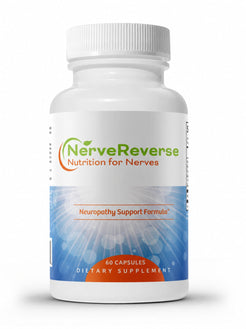
NerveReverse Neuropathy Support Formula uses methylcobalamin alongside L-methylfolate, P5P, ALA 600 mg, benfotiamine, and vitamin D3. The intent is a cohesive daily capsule regimen for people focused on nerve comfort nutrition—not a single-nutrient megadose.
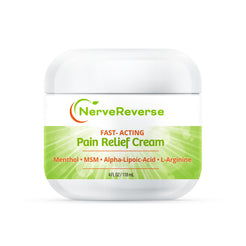
Browse the NerveReverse collection if you also want a topical option for temporary localized comfort while oral nutrition supports the longer horizon.
Safety notes
- Tell your clinician about all supplements, especially before lab draws (high-dose biotin can interfere with some assays; recent B12 intake can change interpretation timelines).
- Neurologic symptoms deserve medical workups—do not self-treat serious deficiency.
- Supplements are not FDA-approved to diagnose, treat, cure, or prevent disease.
- More is not always better; follow label or clinician direction.
Lab timing tips with your clinician
If you are correcting low B12, ask when to recheck levels and whether MMA or homocysteine adds clarity. Taking a high-dose supplement the morning of a blood draw can confuse interpretation for some assays—follow your lab’s instructions.
For ongoing maintenance inside a nerve formula, annual or clinician-directed labs are often enough once you are replete; individualized plans vary.
Combining oral B12 with lifestyle basics
Methylcobalamin will not offset heavy alcohol intake, untreated sleep apnea, or skipped glucose medications. Use bioactive B vitamins as part of a boring, effective routine: consistent dosing, foot inspection, movement you can sustain, and follow-up visits you actually attend.
Related reading
- Metformin and B12 deficiency themes
- Alpha-lipoic acid for nerve nutritional support
- Benfotiamine vs thiamine
Soft CTA
Choosing between methylcobalamin and cyanocobalamin is easier when your goal is clear. For a methylation-aware, clinically dosed nerve formula that is formulated and manufactured in the USA, review NerveReverse. Questions: support@freelifelabs.com · 801-923-3878.
Conceptual citations
- Nutritional biochemistry of cobalamin forms (methylcobalamin vs cyanocobalamin conversion pathways).
- Clinical nutrition discussions on active B vitamins in neurologic dietary support contexts.
- Public-health literature on B12 deficiency risk groups (malabsorption, low intake, older adults).
- Reviews of homocysteine metabolism involving folate, B12, and B6.