What Neuropathy Pain Relief Cream Can Do
Share
Burning feet at bedtime. Pins-and-needles sensations that make a short walk feel longer. A sudden jolt of discomfort when a sock brushes your skin. Neuropathy pain relief cream can be a practical part of your at-home routine when nerve discomfort interrupts the moments that help you feel like yourself.
A topical cream will not cure neuropathy or address the medical condition causing it. But the right formula can provide temporary, targeted comfort right where symptoms are most disruptive. For many people, that means less time focused on their feet and more freedom to rest, move around the house, or enjoy an evening without constant discomfort competing for attention.
Why Neuropathy Pain Can Feel So Persistent
Peripheral neuropathy occurs when nerves outside the brain and spinal cord are damaged or not working as they should. Diabetes is a common cause, but nerve symptoms can also be connected to circulation concerns, vitamin deficiencies, certain medications, injury, alcohol use, autoimmune conditions, and other health issues.
The experience varies from person to person. Some people notice numbness first, while others feel burning, sharp pain, prickling, or unusual sensitivity to touch. Symptoms often begin in the feet and lower legs, which is one reason foot comfort and daily skin checks matter so much.
Nerve discomfort can be especially frustrating because it does not always match what you can see. Your feet may look normal while they feel hot, sore, or electrically charged. And when sleep is interrupted night after night, pain can affect mood, mobility, confidence, and the willingness to stay active.
A cream is not meant to replace medical care, blood sugar management, prescription treatment, or a clinician's recommendations. It is a supportive tool for temporary symptom relief - one that can fit easily into a broader plan for protecting your feet and maintaining your independence.
How Menthol Creams Provide Temporary Comfort
Many topical products for nerve discomfort use menthol as their active ingredient. Menthol creates a cooling sensation on the skin that can help distract from pain signals and provide a fast, soothing feeling in the affected area.
A 4% menthol cream offers maximum over-the-counter strength. When applied as directed, it can provide localized, temporary relief for minor aches and pains in muscles and joints, including discomfort associated with arthritis, simple backache, strains, sprains, bruises, and cramps. For people dealing with neuropathy symptoms, that cooling sensation may make burning or aching feet feel more manageable for a period of time.
The benefit of a topical approach is precision. You apply the cream where discomfort is happening rather than taking another product that affects your entire body. That can make it useful at night, before a walk, after standing for a long time, or whenever symptoms are pulling focus from your day.
Results depend on the person and the cause of their discomfort. Some people find a cooling cream highly comforting; others may need a different approach recommended by their healthcare provider. The goal is not to promise a cure. It is to create a little more comfort and control when you need it.
Choosing a Neuropathy Pain Relief Cream
Not every cream marketed for feet is designed to address pain. A rich moisturizer can be valuable for dry, rough skin, but it will not necessarily provide the cooling sensation of a menthol pain-relief product. Likewise, a pain cream may not be the best choice for deep cracks, open skin, or a wound that needs clinical attention.
When evaluating a neuropathy pain relief cream, start with the active ingredient and its concentration. A clearly labeled 4% menthol formula tells you exactly what is providing the cooling effect. Look for clear directions, a texture that spreads without excessive rubbing, and packaging that makes regular application simple.
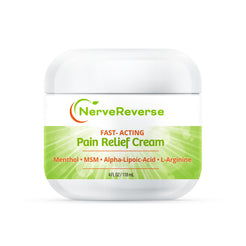
It also helps to choose a product from a company that understands the daily reality of neuropathy symptoms. Free Life Labs developed its 4% menthol cream as targeted, fast-acting support for people who are tired of burning, tingling, and painful feet getting in the way of daily life.
Your personal skin condition matters, too. If your feet are very dry and cracked but the skin is intact, you may benefit from separate skin-care support at a different time of day. If there is drainage, redness, swelling, a foul odor, a deep crack, or an open sore, skip self-treatment and contact a healthcare professional promptly.
How to Use Menthol Cream Safely
Follow the product label exactly, including how often to apply it. In general, apply a small amount to clean, dry, unbroken skin and massage it in gently. Wash your hands after application unless your hands are the treated area.
A few common-sense precautions make a meaningful difference:
- Keep menthol cream away from eyes, mouth, genital areas, and other sensitive tissues.
- Do not apply it to wounds, broken skin, irritated skin, or areas affected by a rash.
- Do not tightly bandage the area or use a heating pad over the cream, as added heat can increase irritation.
- Stop use if you develop excessive burning, rash, swelling, or another skin reaction.
It is wise to test a small area first if you have sensitive skin. A cooling feeling is expected with menthol, but intense discomfort is not something to push through. Your comfort routine should support your skin, not create another problem to manage.
Pair Cream With Everyday Foot Protection
Temporary pain relief works best when it is part of consistent foot care. Small habits can reduce the chance that a minor irritation becomes a larger concern, particularly for people with diabetes or reduced sensation.
Inspect your feet every day for cuts, blisters, cracks, color changes, swelling, or warm spots. Wear clean, well-fitting socks and shoes with enough room for your toes. Avoid walking barefoot, even at home, where a small object or hot surface can cause an injury you may not feel immediately.
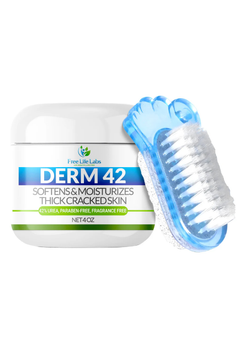
Keep skin clean and dry, especially between the toes. If your heels are rough or prone to cracking, ask your clinician whether a concentrated urea cream is appropriate for your needs. Pain relief, moisturizing, and wound care each serve different purposes. Using the right product for the right issue gives your feet better support.
Lifestyle and medical care still matter as well. For people with diabetes, keeping blood sugar within the range set by their care team can help protect nerve health over time. Nutrition, movement that is safe for your mobility level, sleep, and follow-up appointments all contribute to a stronger recovery plan.
When Cream Is Not Enough
Talk with your doctor or podiatrist if pain is new, worsening, spreading, or keeping you from sleeping or walking safely. Persistent burning, numbness, or tingling deserves an evaluation, particularly if you have diabetes, a history of circulation issues, or recent surgery.
Seek prompt medical care for an open sore, a foot that becomes red, hot, swollen, or discolored, drainage, fever, or pain that rapidly increases. These symptoms may signal infection, poor circulation, or another issue that needs more than topical relief.
You should also speak with a healthcare professional if your balance is changing, you are falling more often, or numbness makes it difficult to tell whether you have been injured. Getting help early can protect mobility and help prevent complications.
A good neuropathy support routine is built around realistic wins: a cooler feeling before bed, more confidence getting through errands, and the reassurance of knowing you are checking your feet and responding to changes. A targeted cream can help create those moments of comfort, while consistent care helps you keep moving toward the freedom to do more of what matters.