42 Percent Urea Cream Benefits for Cracked Feet
Share
When every step catches on a hard heel crack or a thick callus makes shoes uncomfortable, ordinary lotion may not be enough. The most meaningful 42 percent urea cream benefits come from using a maximum-strength formula designed to soften stubborn, built-up skin while deeply conditioning the dry skin underneath.
For adults managing severe dryness, reduced mobility, diabetic foot concerns, or feet that simply take a beating every day, smoother skin is about more than appearance. It can make walking, putting on socks, and staying active feel more comfortable again.
What Makes 42% Urea Cream Different?
Urea is a naturally occurring component of healthy skin. In skin care, it works in two useful ways: it helps draw moisture into dry skin and, at higher concentrations, helps loosen the bonds holding thick, dead skin cells together. That second action is why a 42% formula is often chosen for hardened heels, rough soles, thick calluses, and dry areas that have not responded to a standard moisturizer.
A lighter lotion may feel pleasant for a few hours, but it may sit on the surface of dense, dry skin without doing much to soften it. A 42% urea cream is a more targeted option. It is intended for areas where the skin has become tough, flaky, cracked, or uncomfortable over time.
This strength is not necessarily the right choice for every part of the body or every skin concern. It is purpose-built for intensive foot care, especially when thickened skin is making daily movement harder.
42 Percent Urea Cream Benefits for Dry, Cracked Feet
The goal of a strong urea cream is not to mask roughness. It helps address the buildup that keeps feet feeling hard and uncomfortable.
Softens thick calluses and hardened heels
Pressure and friction can cause the skin on the heel, ball of the foot, and toes to thicken. A callus is the body's protective response, but too much buildup can become painful, catch on socks, or make walking feel uneven. High-concentration urea helps soften this dense outer layer so it can gradually shed more naturally.
That does not mean a thick callus disappears overnight. Consistent use can make the skin feel more pliable over time, which may make gentle foot care easier and reduce the urge to pick, cut, or aggressively file the area.
Helps smooth rough, flaky skin
Dry skin often has a cycle: dead cells accumulate, moisture has a harder time getting in, and the surface becomes rougher. Urea helps break that cycle by supporting both exfoliation and hydration. As thick surface skin softens, the feet can look and feel smoother.
This can be especially helpful along the heel rim, where dry white or grayish skin tends to build up. It may also help people whose feet feel rough even after bathing or applying everyday lotion.
Supports comfort with walking and shoes
A deep heel fissure or thick patch of callused skin can make every step a reminder that your feet need attention. By improving softness and flexibility, a 42% urea cream may help reduce the tight, pulling sensation that comes with severely dry skin.
Comfort depends on the cause of the problem. Urea cream will not treat nerve pain, correct a foot deformity, or replace properly fitting footwear. But when hardened, dry skin is part of what makes shoes and walking uncomfortable, regular intensive moisturizing can make a noticeable difference.
Helps maintain a healthier-looking foot surface
Skin that is excessively dry is more likely to look scaly, dull, and uneven. Keeping the outer layer conditioned helps feet look better cared for and can make it easier to spot changes that deserve attention, such as redness, swelling, drainage, or a new sore spot.
For people who are less flexible or have difficulty reaching their feet, a simple, repeatable routine matters. Applying a focused cream after bathing or before bed can be a practical part of staying ahead of severe dryness.
How to Use a Maximum-Strength Urea Cream
Start with clean, thoroughly dry feet. Apply a small amount to rough, thickened areas such as heels, calluses, and the soles of the feet, then massage it in until absorbed. Many people find that evening use works well because the cream can remain on the skin longer while they rest.
Consistency matters more than using a large amount at once. Use the product as directed on its label, and give the skin time to respond. If your feet are extremely dry, daily use may be appropriate. Once the skin becomes softer and smoother, some people move to a maintenance routine based on how quickly dryness returns.
Avoid applying maximum-strength urea cream between the toes unless a clinician has advised it. Excess moisture in that area can create a different set of skin problems. Wash your hands after application, and avoid contact with the eyes and other sensitive areas.
Do not use a strong exfoliating cream on an open wound, actively bleeding crack, or suspected infection unless your healthcare professional tells you to. A stinging sensation can occur on irritated or deeply fissured skin. Stop use and seek guidance if you develop significant burning, rash, swelling, or worsening irritation.
Who Should Be More Careful?
People with diabetes, poor circulation, peripheral neuropathy, or a history of foot ulcers should take foot changes seriously. Reduced sensation can make it harder to notice a small crack, blister, or pressure area before it becomes more serious. A cream can support dry skin, but it does not replace regular foot checks or professional care.
Check your feet daily if you are at higher risk. Look at the tops, soles, heels, and spaces between the toes. If you see an open area, warmth, spreading redness, drainage, unusual odor, discoloration, or swelling, contact a healthcare professional promptly rather than trying to manage it with home skin care alone.
The same caution applies after surgery or during wound recovery. Healing properly requires adequate nutrition, appropriate wound management, and medical follow-up when needed. Maximum-strength urea is for dry, thickened skin, not for treating a wound.
Getting Better Results From Your Foot Care Routine
A 42% urea cream works best as part of a sensible routine. Choose shoes with enough room in the toe box and heel, and wear clean socks that reduce friction. After bathing, dry feet carefully rather than rubbing them harshly. If you use a foot file, keep it gentle and only work on intact skin after it has softened. Never cut calluses with blades or sharp tools at home.
Hydration also has a role in overall skin comfort, though drinking more water alone will not remove a thick callus. The practical combination is regular application, less friction, and attention to the conditions that caused the buildup in the first place.
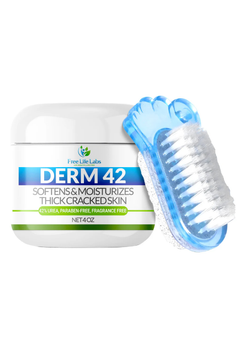
Derm 42 is formulated as a maximum-strength 42% urea cream for people who need more than basic moisturizing for dry, cracked feet. The right routine can help you feel more comfortable in your shoes and more confident taking the steps that keep life moving.