Understanding Neuropathy
Neuropathy is a condition that affects the peripheral nerves—the network of nerves outside the brain and spinal cord that carry messages between the central nervous system and the rest of the body. When these nerves are damaged or dysfunctional, communication between the brain and body is disrupted, leading to symptoms such as numbness, tingling, burning sensations, pain, or weakness.
Causes of Neuropathy
Neuropathy can result from a variety of conditions and factors, including:
- Diabetes mellitus – the most common cause, due to prolonged high blood sugar ( hyperglycemia) damages small blood vessels and nerve fibers.
- Nutritional deficiencies – especially B vitamins, which are crucial for nerve health, impairs myelin synthesis.
- Alcohol misuse – chronic use can have a toxic effect on axons and cause nutritional deficiency impairing nerve function.
- Infections – such as shingles, Lyme disease, or HIV can cause the body to mistakenly attack its own nerve tissue.
- Autoimmune diseases – like lupus or rheumatoid arthritis can cause the body to attack its own nerves.
- Medications or toxins – including certain chemotherapy drugs can cause damage to the myelin sheath which is a protective covering around the nerves.
- Mechanical injury – such as herniated discs or repetitive strain. Forms of trauma can cause damage by stretching, compressing, or detaching nerves.
Normal Nerve Function vs. Neuropathy
In healthy nerves, electrical signals travel rapidly and efficiently:
- Normal, Healthy Nerves: The myelin sheath (a protective layer around nerves) ensures quick, precise conduction of impulses. This allows for smooth sensation and motor control.
- Neuropathy (Damaged Nerves): Damage to the nerve fibers or myelin sheath slows or distorts signals. This leads to abnormal sensations (paresthesias), pain, or loss of function.

Pathophysiology of Tingling
Tingling (also called paresthesia) occurs when damaged nerves misfire. Instead of accurately transmitting information, nerves may:
- Generate spontaneous discharges (signals without stimulation).
- Produce cross-talk between adjacent nerves due to damaged insulation.
- Send distorted messages to the brain that are interpreted as tingling, burning, or buzzing.
Cellular Mechanisms of Tingling
At the cellular level:
- Ion channel dysfunction: Sodium, potassium, and calcium channels may become overactive or unstable, leading to irregular firing of nerve impulses.
- Myelin damage: Loss of insulation slows signal speed and increases susceptibility to erratic firing.
- Inflammation and oxidative stress: Damage to nerve cell membranes and mitochondria reduces energy supply and disrupts communication.
When Does Tingling Occur?
Tingling may appear in various circumstances, such as:
- At rest or during sleep: When circulation slows, nerve conduction abnormalities may become more noticeable.
- After pressure or compression: Sitting on a leg, crossing arms, or nerve entrapment can temporarily trigger paresthesias.
- With chronic conditions: Persistent diseases like diabetes or autoimmune disorders often cause ongoing tingling.
Clinical Importance
Tingling is more than just an uncomfortable symptom—it’s an important clinical signal:
- Early warning: It may be the first sign of peripheral neuropathy, prompting early diagnosis and treatment.
- Diagnostic value: The distribution (hands, feet, one-sided vs. both-sided) helps pinpoint the type and location of nerve involvement.
- Monitoring tool: The progression of tingling can guide clinicians in assessing disease progression or treatment effectiveness.
1. Treatments That Can Help (Evidence-Based)
These are approaches supported by clinical studies:
A. Medications
*Pain management (Addresses pain symptoms only. Does not prevent further nerve damage or does not help nerve growth. Has side effects.)
- Gabapentin / Pregabalin – anticonvulsants that can reduce neuropathic pain.
- Duloxetine / Venlafaxine – certain antidepressants (SNRIs) that relieve nerve pain.
*Topical agents (Addresses pain symptoms only. Does not prevent further nerve damage or does not help nerve growth.)
- Capsaicin cream – can reduce localized nerve pain over time.
- Lidocaine patches – for localized pain relief.
*Addressing the underlying cause
- Diabetic neuropathy: controlling blood sugar levels is critical.
- Vitamin deficiencies: supplementing B12, folate, or B1 in the right form to easliy metabolize and in high doses can help control the progression of nerve damage and can stimulate nerve repair.
- Thyroid, kidney, or autoimmune-related neuropathy: treating the underlying condition may prevent progression.
B. Non-drug Therapies
*Physical therapy & exercise – improves strength, reduces pain, prevents falls, and can improve nerve function over time.
*Transcutaneous Electrical Nerve Stimulation (TENS) – some people experience reduced pain.
*Lifestyle interventions
- Maintaining healthy weight.
- Avoiding alcohol and neurotoxic drugs.
- Proper foot care in diabetic neuropathy.
C. Emerging or adjunctive therapies
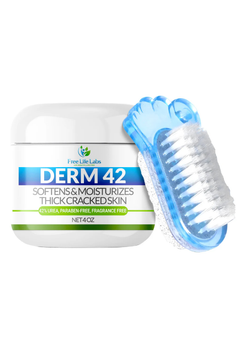
*Topical compounds (like alpha-lipoic acid, L-carnitine, menthol, or urea-containing creams) – may help with pain, hydration, or nerve health.
*Supplements – alpha-lipoic acid, acetyl-L-carnitine (has some evidence for pain relief or nerve repair).
2. Treatments That Often Don’t Work or Are Unproven
*Acetaminophen/NSAIDs – generally not effective for neuropathic pain specifically, but can help if there is coexisting musculoskeletal pain.
*Opioids – generally not effective for chronic neuropathic pain; risk of dependence.
*Magnetic bracelets, copper bracelets, or unproven devices – no evidence they help.
*Over-the-counter pain creams without active ingredients – e.g., simple moisturizing creams without urea or pain-relieving agents usually won’t reduce nerve pain.
*Excessive rest – neuropathy benefits from gentle activity; complete rest can worsen weakness or balance issue
Neuropathy is a complex disorder that disrupts normal nerve signaling. Tingling, one of its hallmark symptoms, results from abnormal nerve firing at both the structural and cellular levels. Understanding these mechanisms is critical for recognizing neuropathy early, preventing further nerve damage, and improving patient outcomes.

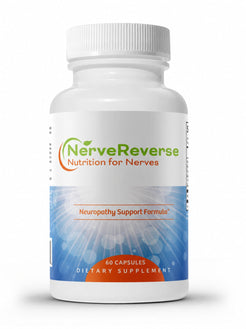
NerveReverse Supplement has the right dose and combinations of vitamins to help prevent the progression of neuropathy and help aid nerve repair.
Learn More About NerveReverse Supplement Here

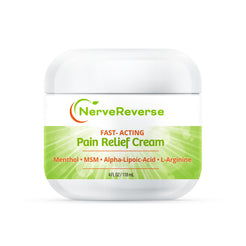
NerveReverse Pain Cream contains alpha-lipoic acid, L-carnitine, and menthol to help aid in pain relief.
Learn More About NerveReverse Pain Cream Here