How to Use Menthol Cream for Nerve Pain Relief
Share
A burning sensation in your feet can make a short trip to the kitchen feel like too much. Tingling, aching, and sensitive skin can also interfere with sleep, walking, and the confidence to stay active. Knowing how to use menthol cream correctly can help you get fast, targeted, temporary relief where discomfort is getting in the way.
Menthol cream is a topical pain reliever. It is applied to the outside of the skin, where it creates a cooling sensation that can help distract from minor aches and pains. For people managing everyday nerve discomfort, it can be a practical part of an at-home comfort routine - especially when symptoms flare after standing, walking, or trying to rest.
What Menthol Cream Does for Nerve Discomfort
Menthol activates cooling receptors in the skin. That cool feeling can temporarily reduce the awareness of pain signals near the area where you apply it. It does not repair damaged nerves or treat the underlying cause of neuropathy, but it may help make symptoms more manageable in the moment.
That distinction matters. If you have persistent numbness, burning, or tingling, particularly if you have diabetes, circulation concerns, or a history of foot wounds, topical relief should support a broader care plan rather than replace medical guidance. Still, a maximum-strength 4% menthol cream can be a useful option when you need quick, non-prescription comfort for minor nerve and muscle pain.
Results vary. Some people feel cooling relief within minutes, while others need a few applications to decide whether the sensation and timing fit their routine. The goal is not to push through worsening symptoms. It is to create more comfortable moments for movement, rest, and daily life.
How to Use Menthol Cream Safely
Start by reading the product label. Directions, recommended application frequency, and age restrictions can differ by formula. Use only the amount directed, even if discomfort is intense. More cream does not necessarily produce better relief and may increase skin irritation.
Before applying, wash and dry the area completely. Clean, dry skin helps the cream spread evenly and reduces the chance of trapping moisture or bacteria against vulnerable skin. This is especially relevant for feet, where sweat, friction, and dry cracked skin can complicate comfort.
Apply a thin layer to the area of minor pain or discomfort. For nerve-related symptoms, this may include the feet, toes, ankles, lower legs, hands, or another intact area where symptoms are present. Massage it in gently until it is absorbed. Avoid aggressive rubbing, particularly if your skin is thin, sensitive, swollen, or less able to feel pressure.
Wash your hands thoroughly after application unless your hands are the treatment area. Menthol can cause strong irritation if transferred to the eyes, mouth, nose, or other sensitive areas. Let the cream dry before putting on socks, shoes, or clothing, and avoid touching your face while it is still on your hands.
Use the cream only as often as the label allows. Building an easy routine can help: apply after bathing and drying your feet, after a day on your feet, or before bed if nighttime discomfort tends to interrupt sleep. Keep track of when you apply it and how your symptoms respond. That information can help you identify patterns and discuss them clearly with your healthcare provider.
Try a Small Area First
If you are using a menthol product for the first time, apply a small amount to a limited area of intact skin. Wait and see how your skin responds before using it more broadly. A mild cooling sensation is expected. Burning that feels severe, increasing redness, rash, swelling, or blistering is not.
Stop using the cream and wash the area with mild soap and water if you develop a concerning skin reaction. Seek medical advice promptly if symptoms are severe or do not settle.
Where Not to Apply Menthol Cream
Menthol cream belongs on intact external skin only. Do not apply it to open cuts, ulcers, surgical incisions, actively bleeding areas, infected skin, or severe cracks that have opened into a wound. Cooling pain relief can feel helpful, but it is not wound treatment, and applying topical pain products to broken skin may cause irritation or complicate care.
Avoid using menthol cream near the eyes, inside the nose or mouth, on the genitals, or under tight bandages. Do not use it with heating pads, hot water bottles, or other heat sources. Heat can intensify the product's effects and raise the risk of a skin injury. The same caution applies to applying it immediately after a hot shower if your skin is flushed or highly sensitive.
Do not layer it with another topical pain reliever unless a clinician or pharmacist says it is appropriate. Combining products may expose your skin to more active ingredients than intended. If you use prescription creams, patches, or other treatments for nerve pain, ask your healthcare provider how to space them safely.
Special Care for Diabetic Feet and Reduced Sensation
People with diabetes or peripheral neuropathy may not feel a minor scrape, pressure point, or temperature change right away. That makes a quick skin check just as valuable as pain relief. Before applying cream to your feet, look at the tops, soles, heels, sides, and spaces between the toes. A hand mirror can make this easier.
Watch for new redness, drainage, swelling, discoloration, cracks, blisters, calluses that have changed, or areas that feel unusually warm. If you cannot safely inspect your feet on your own, ask a family member, caregiver, or healthcare professional for help. Do not apply menthol cream over anything that might be a wound.
Contact a healthcare professional promptly for a new foot sore, an ulcer, signs of infection, sudden swelling, worsening numbness, or pain that is changing quickly. When circulation or sensation is reduced, early attention can protect your mobility and help prevent a small problem from becoming a serious one.
Getting Better Results From Your Comfort Routine
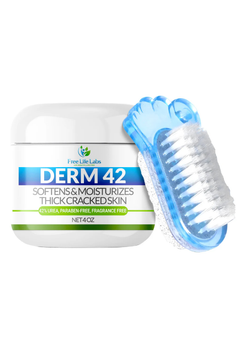
Menthol cream works best as one piece of consistent supportive care. Wearing well-fitting shoes, avoiding bare feet, checking your skin daily, and managing dryness can all reduce the everyday triggers that make feet feel worse. If your heels or soles are thick, rough, and cracked but not open, a separate foot moisturizer designed for severe dryness may be more appropriate than a pain-relief cream for restoring skin softness.
Pay attention to what makes discomfort worse. Some people notice more burning after prolonged standing. Others have symptoms at night, when there are fewer distractions. Small changes such as taking movement breaks, elevating the feet when advised, choosing supportive footwear, and applying menthol cream at a planned time can make the routine more dependable.
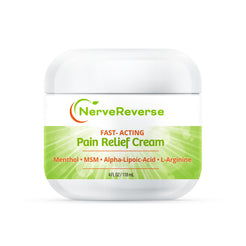
Free Life Labs' 4% menthol cream is formulated for fast-acting, targeted temporary relief, but every person’s symptoms and skin needs are different. Use the product as directed and give yourself permission to adjust your routine based on what helps you feel steadier and more comfortable.
When Temporary Relief Is Not Enough
A topical cream can help with minor discomfort, but it cannot explain why symptoms began or why they are getting worse. Make an appointment with a healthcare professional if burning, numbness, tingling, or pain is persistent, spreading, affecting balance, waking you regularly, or limiting your ability to walk and care for yourself.
Get urgent medical attention for sudden weakness, a rapidly spreading rash, severe swelling, fever with a foot wound, skin that turns dark or pale, or signs of an allergic reaction such as trouble breathing or swelling of the face, lips, tongue, or throat.
Comfort matters because it helps protect the freedom to move through your day. Use menthol cream carefully, keep a close eye on your skin, and treat new or changing symptoms as a reason to get the support you deserve.