Best Socks for Numb Feet That Actually Help
Share
A sock wrinkle might feel like a minor annoyance to most people. When your feet are numb, it can become hours of unnoticed rubbing, pressure, or moisture against skin that needs more protection. The best socks for numb feet are not necessarily the thickest or most expensive pair. They are the ones that fit correctly, reduce friction, manage moisture, and stay comfortable from the first step of the day to the last.
For people living with peripheral neuropathy, diabetes-related foot concerns, circulation issues, or nerve symptoms after an injury or procedure, socks are part of daily foot protection. They cannot restore sensation or treat the cause of numbness, but the right pair can help reduce the small stresses that make walking less comfortable and skin more vulnerable.
What Socks Can and Cannot Do for Numb Feet
Numbness changes the way you protect your feet. Pain normally tells you when a shoe is too tight, a seam is pressing against a toe, or skin is becoming irritated. Reduced feeling can silence those early warnings. That is why a good sock should create a smooth, dry, low-friction layer between your skin and your shoe.
Socks are supportive care, not a substitute for medical attention. A sock will not correct poor circulation, heal an open wound, or reverse nerve damage on its own. If numbness is new, worsening, one-sided, or accompanied by weakness, skin color changes, swelling, a sore, or trouble walking, contact a healthcare professional promptly.
How to Choose the Best Socks for Numb Feet
The label matters less than the construction. Terms such as “diabetic sock” can be helpful shorthand, but there is no single sock style that is right for every person with numb feet. Focus on how the sock feels, fits, and performs during your normal day.
Look for a truly smooth toe area
A raised toe seam can create a pressure point that goes unnoticed for too long. Choose socks described as seamless, hand-linked, or flat-seamed, then check the inside yourself before wearing them. Some “seamless” socks still have a small closure line, so your own comfort is the deciding factor.
This is especially useful if you have tingling, burning, sensitive toes, hammertoes, bunions, or areas of skin that are already prone to rubbing. Turn the sock inside out if needed to inspect the finish. It may sound simple, but a smooth toe box can make a meaningful difference over a full day on your feet.
Choose a non-binding cuff that still stays up
Tight elastic at the top of a sock can leave deep marks, feel restrictive, or worsen discomfort for people with swelling. A non-binding cuff is designed to hold the sock in place without gripping the lower leg aggressively.
There is a trade-off. A cuff that is too loose can slide down and bunch around the ankle or inside the shoe, creating the very friction you are trying to avoid. The best fit is secure without leaving an indentation that lingers. If swelling changes through the day, check your sock line when you take them off and adjust your size or style if needed.
Prioritize moisture control over cotton alone
Sweaty feet and damp socks raise the risk of rubbing, odor, and skin breakdown. Cotton can feel soft, but it tends to hold moisture once it becomes wet. For many people with numb feet, a blend with moisture-wicking synthetic fibers, merino wool, or both is a more practical choice.
Merino wool is not just for cold weather. Fine merino blends can help manage moisture and temperature in a variety of conditions. Synthetic blends often dry quickly and hold their shape well. The right choice depends on your skin sensitivity, climate, footwear, and how much your feet perspire.
If your feet sweat heavily, bring a clean pair of socks when you will be away from home for several hours. Changing into dry socks at midday can be more helpful than buying a thicker pair.
Add cushioning where your feet need it
Light to moderate cushioning under the heel, ball of the foot, and toes can soften the impact of walking. This can be useful for people who spend time standing, have thinning padding on the bottoms of their feet, or feel discomfort from hard shoe insoles.
More cushioning is not always better. Extra-thick socks can make shoes fit tighter, which may increase pressure on the toes or forefoot. If you choose a cushioned sock, make sure you try it with the shoes you wear most often. Your shoe should still have enough room for your toes to move naturally.
Get the size right
Do not assume one-size socks will protect your feet well. Socks that are too small can stretch thin, pull tightly across the toes, and compress sensitive areas. Socks that are too large can fold, bunch, and rub.
Use the manufacturer’s shoe-size chart when possible. After putting them on, run your hand across the top and bottom of the sock before stepping into your shoe. Smooth away wrinkles at the heel, arch, and toes. A few seconds of preparation can prevent an avoidable pressure spot.
Should You Wear Compression Socks for Numb Feet?
Compression socks are different from non-binding socks. They apply graduated pressure to support blood flow back toward the heart and may be recommended for certain types of leg swelling or vein-related discomfort. They are not automatically the best choice for numb feet.
If you have known peripheral artery disease, poor arterial circulation, unexplained leg pain, severe swelling, heart failure, or diabetes-related foot complications, ask your clinician before using compression. The wrong compression level or an improper fit can create problems rather than comfort.
If a clinician has recommended compression, follow their guidance on pressure level, sizing, and wear time. Put them on early in the day before swelling increases, and inspect your skin daily. For many people, a non-binding, moisture-wicking sock is the safer everyday starting point unless medical compression has been specifically advised.
Match Your Socks to Your Daily Routine
For everyday walking, errands, and time around the house, a smooth, moisture-wicking crew sock with light cushioning is often a dependable option. Crew height protects more of the ankle from shoe friction and tends to stay in place better than very low-cut styles.
For exercise, choose a technical performance sock that manages sweat, has a secure heel, and does not slide. Test it on a short walk first. A sock that performs well during a 20-minute outing may not work for a longer workout or a full shift on your feet.
For colder weather, avoid layering multiple tight socks inside the same shoe. This can reduce circulation and crowd the toes. Instead, choose a warmer merino blend and make sure your footwear still fits comfortably.
At night, most people do not need special socks unless their feet are cold or a healthcare professional has advised otherwise. Avoid sleeping in tight compression socks unless you have received clear instructions to do so.
Make Socks Part of a Daily Foot-Protection Routine
The right sock works best alongside a few consistent habits. Put on a fresh pair each day, and change them whenever they become damp. Inspect both feet before putting socks on and again at bedtime. Use a mirror or ask for help if reaching the soles of your feet is difficult.
Look for redness, cracks, blisters, cuts, drainage, peeling skin, or a spot that feels warmer than the surrounding area. Do not ignore a sock stain, even a small one. It may be the first sign that skin has been rubbed or injured.
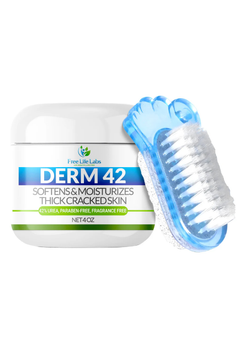
Keep skin supple, because dry, cracked skin is more likely to split and invite irritation. Apply moisturizer to clean, dry feet, but avoid putting cream between the toes where excess moisture can build up. For severe dryness or heel cracking, a maximum-strength urea cream such as Free Life Labs Derm 42 can support an intensive foot-care routine. Let moisturizer absorb before putting on socks.
Finally, check your shoes as carefully as your socks. Remove pebbles, inspect the lining for worn spots, and make sure the toe box is wide enough. A premium sock cannot compensate for a shoe that presses on a bunion, crowds the toes, or has a rough interior seam.
When Numb Feet Need More Than Better Socks
Call a healthcare professional promptly if you notice a blister, open sore, drainage, redness that does not improve, unusual warmth, swelling, black or blue skin, or an injury you cannot feel. People with diabetes should take foot changes seriously, particularly when a wound is slow to heal.
It is also worth discussing ongoing numbness, burning, tingling, or balance changes with your clinician. Understanding the cause can help you build a more complete plan for comfort, mobility, skin protection, nutrition, and nerve support.
A well-fitted sock is a small daily choice, but it can help you move through the day with fewer hidden irritants underfoot. Choose comfort that protects, check your feet consistently, and give yourself the practical support to stay active with more confidence.