Wound Healing: What Helps Your Body Repair
Share
A small cut can become a big interruption when it stays open, sore, or slow to improve. Effective wound healing is not just about covering the area and hoping for the best. It depends on protecting the wound, giving your body the nutrition it needs, managing underlying health concerns, and knowing when a wound needs medical attention.
For people living with diabetes, neuropathy symptoms, circulation concerns, or reduced mobility, those steps matter even more. A wound on the foot may not hurt much if sensation is reduced, but that does not mean it is minor. Prompt, consistent care can help protect your comfort, mobility, and confidence.
How Wound Healing Works
Your body repairs a wound in overlapping stages. First, it works to stop bleeding and control the initial damage. Next comes inflammation, when immune cells clear damaged tissue and help defend against germs. Then the body builds new tissue and blood vessels, followed by a remodeling phase that strengthens the repaired area over time.
This process is remarkably capable, but it can be slowed by several common problems. Poor blood flow limits the oxygen and nutrients reaching the area. High blood sugar can interfere with immune function and circulation. Pressure, friction, swelling, smoking, dehydration, and inadequate protein can also make recovery harder.
A wound does not need to look dramatic to deserve attention. A blister from a shoe, a crack in a dry heel, a surgical incision, or a scrape that keeps reopening can all create an entry point for infection. The goal is not to panic over every mark on the skin. It is to respond early and consistently.
The Basics of At-Home Wound Care
The right care depends on the type, location, depth, and cause of the wound. Follow your surgeon's or clinician's instructions first, especially after a procedure or if you have diabetes, vascular disease, or a history of foot ulcers.
For minor wounds that can safely be managed at home, gently rinse with clean running water and mild soap around the area. Pat dry with a clean towel. Avoid repeatedly scrubbing healing tissue, and do not use harsh products unless a healthcare professional has told you to use them. Frequent use of hydrogen peroxide or rubbing alcohol, for example, may irritate healthy new cells.
After cleaning, protect the wound with an appropriate clean dressing. A covered wound is generally better protected from rubbing, dirt, and bacteria than one left exposed. Change the dressing as directed, or sooner if it becomes wet, loose, or soiled. Wash your hands before and after touching the area.
Moisture needs balance. Healing tissue benefits from a protected environment, but a wound that is constantly soggy can cause surrounding skin to break down. If the skin around a bandage turns white, soft, or overly wrinkled, ask a clinician whether your dressing routine needs to change.
Take pressure off the area
Pressure is one of the most overlooked reasons wounds on the feet and lower legs fail to improve. Walking on a sore spot, wearing a tight shoe, or allowing a dressing to bunch up can keep damaging tissue that is trying to repair itself.
If you have a wound on your foot, do not assume you can feel every problem. Neuropathy-related numbness can mask pain from pressure or friction. Check both feet every day, including the soles, heels, between the toes, and around the nails. A mirror can help, or ask a family member or caregiver to look if bending is difficult.
Choose clean socks and shoes that fit without rubbing. Do not walk barefoot, even at home. For wounds that need off-loading, specialized footwear, padding, a boot, or reduced weight-bearing may be necessary. That decision should come from your healthcare provider, because the wrong approach can shift pressure to another vulnerable spot.
Nutrition Gives Healing Tissue Its Building Blocks
Healing properly requires adequate nutrition. Your body needs more energy and more raw materials while repairing skin and tissue, particularly after surgery, illness, or a significant wound.
Protein is central because it supports the formation of new tissue and immune function. Include protein regularly throughout the day from foods such as eggs, poultry, fish, yogurt, beans, tofu, or lean meats. If appetite is low after surgery or illness, smaller protein-containing meals and snacks may be more realistic than forcing large meals.
Calories matter, too. Restricting food too aggressively while your body is trying to heal can leave it short on energy. Hydration supports circulation and helps your body move nutrients where they are needed. Water is a strong foundation, though individual fluid needs can differ for people with heart or kidney conditions.
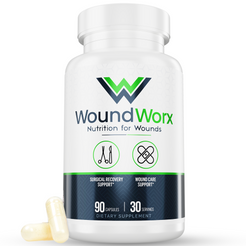
Certain nutrients are especially relevant to wound support, including vitamin C, zinc, vitamin A, and key amino acids. More is not always better, however. High-dose supplements may interact with medications or create problems of their own. A complete formula designed for recovery can be a practical option when food intake is not meeting your needs, but it should complement a nourishing diet, not replace one.
If you have diabetes, keep your blood sugar management plan in focus. Stable blood sugar supports the conditions your body needs for repair. This may mean checking levels as directed, taking medications consistently, planning balanced meals, and contacting your care team when readings are running higher than usual.
Support the Skin Around the Wound
The skin surrounding a wound is part of the recovery picture. When it is dry, cracked, swollen, or exposed to repeated friction, it has a harder time serving as a protective barrier.
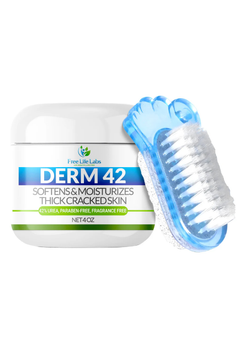
Foot skin deserves special attention. Dry, thick calluses and cracked heels can split open, especially when skin is under pressure. Use a moisturizer made for intact dry skin, not inside an open wound. A maximum-strength urea cream may help soften severely dry, rough, cracked areas, but keep it away from broken skin unless your clinician specifically advises otherwise.
Do not cut calluses, corns, or dead skin from your feet at home, especially if you have diabetes or poor circulation. What looks like a simple thick patch can conceal pressure damage underneath. A podiatrist can safely assess and treat problem areas while helping prevent repeat injury.
When Slow Wound Healing Needs Medical Care
Some wounds need professional assessment from the start. This includes deep wounds, punctures, bites, burns, surgical wounds with new drainage, and any wound on a foot affected by diabetes, neuropathy, or poor circulation.
Call a clinician promptly if you notice spreading redness, warmth, swelling, increasing pain, pus-like drainage, a bad odor, fever, red streaks, darkening skin, or a wound that appears larger rather than smaller. These can be signs of infection or tissue damage that should not be managed with home remedies.
Seek urgent care for uncontrolled bleeding, a deep or gaping wound, exposed bone or tendon, numbness or color changes below an injury, or fever with a worsening wound. If you have diabetes and discover a new blister, cut, crack, or ulcer on your foot, contact your healthcare provider as soon as possible. Waiting for pain is not a safe strategy when sensation is reduced.
It is also reasonable to ask for help when progress has stalled. A wound may need a different dressing, pressure relief, circulation testing, infection treatment, or blood sugar support. Getting a clear plan can save weeks of uncertainty and help you return to everyday movement more safely.
Small Daily Habits Protect Progress
Recovery often comes down to what happens between appointments. Keep dressings clean, follow medication instructions, avoid smoking, eat enough protein, drink fluids as allowed, and inspect vulnerable skin daily. Take photos only if your clinician recommends them, using the same lighting and distance so changes are easier to track.
Most of all, give a wound the attention it deserves. A few minutes of daily care can help protect the progress your body is working hard to make, keeping you more comfortable and helping you stay on your feet for the life you want to live.