Why Do Feet Feel Numb? Causes and Next Steps
Share
A foot that feels like it is asleep can make a short walk feel uncertain. If you are asking, why do feet feel numb, the answer may be as simple as pressure from sitting awkwardly - or it may be a sign that nerves, circulation, blood sugar, or foot health need more attention. The key is not to ignore a sensation that keeps returning, spreads, or changes how confidently you move.
Numbness is not always painful, but it can still be disruptive. You may notice reduced feeling in your toes, a thick or padded sensation under the ball of your foot, tingling, burning, pins and needles, or difficulty sensing hot pavement, a pebble in your shoe, or a small skin injury. For adults managing diabetes, nerve discomfort, reduced mobility, or dry cracked skin, protecting the feet is part of protecting independence.
Why Do Feet Feel Numb? The Most Common Causes
Your feet rely on a network of nerves and blood vessels to send information to and from your brain. Numbness happens when that communication is temporarily interrupted or when nerves are irritated, compressed, or damaged.
Temporary pressure on a nerve
Crossing your legs, kneeling, squatting, sitting on one foot, or wearing a tight shoe can put pressure on a nerve or reduce blood flow for a short time. This is the familiar "foot falling asleep" feeling. Once you change position and move around, feeling generally returns within a few minutes.
If numbness happens only occasionally and clearly follows a position or tight footwear, it may not be a major concern. Still, repeated pressure is a reason to reconsider shoes, socks, work posture, and how long you stay in one position.
Peripheral neuropathy
Peripheral neuropathy means damage or dysfunction in nerves outside the brain and spinal cord. It often begins in the toes and feet because these are the longest nerves in the body. Symptoms may include numbness, tingling, burning, sharp pains, unusual sensitivity to touch, or a feeling that you are wearing socks when you are barefoot.
Diabetes is one of the most common causes of peripheral neuropathy. High blood sugar over time can injure nerves and the small blood vessels that nourish them. But neuropathy can also be associated with vitamin deficiencies, alcohol use, thyroid disease, kidney disease, autoimmune conditions, certain medications, infections, and previous chemotherapy. Sometimes, no clear cause is found.
Neuropathy deserves attention even when pain is mild. Reduced sensation means a blister, crack, cut, or pressure spot can go unnoticed and worsen before it is treated.
Reduced circulation
Healthy circulation supplies oxygen and nutrients to foot tissue. Peripheral artery disease, smoking, high cholesterol, high blood pressure, and diabetes can narrow blood vessels and reduce blood flow. Some people notice numbness along with feet that feel cold, look pale or bluish, tire easily with walking, or develop leg cramps during activity.
Poor circulation is not the only explanation for cold or numb feet, and numbness alone does not confirm a circulation problem. A clinician can check pulses, skin temperature, sensation, and other signs to identify what is happening.
A pinched nerve in the back, hip, or ankle
The nerve problem is not always located in the foot. Sciatica, a herniated disc, spinal stenosis, or other lower-back conditions can affect nerves traveling down the leg. In these cases, numbness may begin in the buttock or leg and travel into one foot. Back pain is common, but not everyone has it.
Nerve compression can also occur closer to the foot, including at the ankle. Tarsal tunnel syndrome, for example, involves pressure on a nerve passing through the inside of the ankle. Symptoms can include tingling, burning, or numbness in the sole or toes, especially after standing or walking.
Vitamin and medication factors
Nerves need adequate nutrition to function and repair. Low vitamin B12 is one known cause of nerve symptoms, particularly in older adults and people with certain digestive conditions or long-term use of some acid-reducing medications. Too much vitamin B6 from supplements can also cause neuropathy, which is one reason a complete formula should be used thoughtfully rather than layering high-dose products without guidance.
Some prescription medicines, including certain chemotherapy drugs, can affect nerves. Do not stop a prescribed medication on your own. Bring new numbness to the clinician who manages your treatment so they can help assess the timing and possible alternatives.
When Numb Feet Need Urgent Care
Most numbness is not a medical emergency, but sudden or severe symptoms can be. Call 911 or seek emergency care right away if foot numbness appears suddenly with facial drooping, trouble speaking, confusion, severe headache, weakness on one side of the body, loss of balance, or vision changes. These may be signs of a stroke.
Urgent evaluation is also needed for numbness after a serious injury, new inability to move the foot, loss of bladder or bowel control, or numbness in the groin or inner thighs. A foot that becomes very cold, pale, blue, intensely painful, or suddenly swollen should be assessed promptly.
For people with diabetes or known neuropathy, contact a healthcare professional quickly for an open sore, drainage, redness, warmth, blackened skin, fever, or a wound that is not improving. Numbness can hide injuries that need early care.
What You Can Do at Home While You Seek Answers
A practical routine can reduce avoidable pressure and help you spot problems early. Start with footwear. Choose shoes with adequate toe room, stable support, and no seams or pressure points that rub against your skin. Avoid walking barefoot, especially outdoors or on hot surfaces, when sensation is reduced.
Check both feet every day, including between the toes and the bottoms of the feet. A hand mirror can help if bending is difficult. Look for cuts, blisters, redness, swelling, calluses, cracks, drainage, or changes in color. Feel inside your shoes before putting them on, since a small object can cause injury without being noticed.
Keep skin clean and dry, then moisturize dry areas to help prevent cracking. Do not apply moisturizer between the toes, where excess moisture can encourage skin breakdown. If thick, rough, or deeply cracked heels are part of the problem, consistent intensive foot skin care can help support a stronger skin barrier. Avoid cutting corns or calluses yourself, particularly if you have diabetes, poor circulation, or reduced sensation.
Gentle movement also matters. Short walks, ankle circles, and changing positions regularly can support circulation and reduce compression from long periods of sitting. The right activity level depends on your balance, pain, wounds, and medical history. If walking triggers leg pain, instability, or worsening symptoms, ask a clinician or physical therapist for guidance.
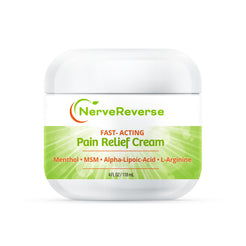
Nutrition is another part of nerve and tissue support. Healing properly requires adequate nutrition, including sufficient protein and key vitamins and minerals. If a clinician has identified neuropathy or you are dealing with ongoing tingling, burning, or numbness, a purpose-built supplement such as Free Life Labs NerveReverse may be a supportive part of an at-home routine. It is not a replacement for medical evaluation or blood sugar management, but targeted support can fit alongside the care plan your provider recommends.
How a Healthcare Professional Can Help
Persistent numbness is worth discussing at a routine appointment, especially if it lasts more than a few days, occurs often, affects both feet, or is becoming more noticeable. A clinician may review your health history and medications, examine your feet, test reflexes and sensation, and order blood work for blood sugar, B12, thyroid function, kidney function, or other possible contributors.
Depending on your symptoms, they may also recommend nerve testing, imaging of the back, vascular testing, or referral to a podiatrist, neurologist, or vascular specialist. The goal is not simply to label the symptom. It is to identify reversible causes, slow further nerve damage when possible, and help you stay steady and comfortable on your feet.
Protect Feeling, Skin, and Mobility
Numbness can be easy to dismiss when it comes and goes. But your feet carry you through errands, work, family time, recovery, and the routines that make life feel like your own. Pay attention to changes, inspect your feet daily, and get professional guidance when symptoms persist or progress. Small, consistent steps now can help protect comfort, confidence, and the freedom to keep moving.