How to Heal Cracked Heels and Keep Them Soft
Share
A heel crack can turn an ordinary walk across the kitchen into a sharp reminder that your feet need attention. The good news is that learning how to heal cracked heels usually does not require a complicated routine. It requires consistent moisture, gentle removal of built-up skin, and protection while the damaged skin recovers.
For many people, dry heels improve noticeably within days of regular care. Deep, painful fissures can take longer, especially if you spend long hours on your feet, have reduced circulation, or live with diabetes or neuropathy. The goal is not simply softer-looking feet. It is to restore a stronger skin barrier so you can move more comfortably and confidently.
Why heels crack in the first place
Heel skin is naturally thick because it absorbs pressure with every step. When that thick skin becomes too dry, it loses flexibility. The edges of the heel then spread outward as you stand and walk, creating splits called fissures.
Cold or dry weather, open-back shoes, long periods of standing, hot showers, and harsh soaps can all pull moisture from the skin. Weight gain, aging, and foot structure can increase pressure on the heel. Conditions such as eczema, psoriasis, athlete's foot, thyroid disease, and diabetes may also contribute to persistent dryness or cracking.
A small surface crack may be uncomfortable but manageable at home. A deep fissure that bleeds, drains fluid, feels warm, or becomes increasingly painful needs more caution. Broken skin creates an opening for infection, which is particularly concerning for anyone with diabetes, poor circulation, loss of sensation, or a history of foot ulcers.
How to heal cracked heels with a consistent routine
The most effective approach combines softening, gentle smoothing, intensive hydration, and daily protection. One application of lotion rarely changes thick, hardened heel skin. A focused routine does.
Start with a short, warm wash
Wash your feet in lukewarm water for a few minutes, then pat them dry carefully, including between the toes. Avoid long soaks and very hot water. They can feel soothing in the moment but may leave skin drier afterward.
If you have diabetes, neuropathy, or reduced sensation, test the water temperature with your hand or elbow first. Do not use a heating pad or hot water bottle on your feet. Reduced feeling can make it easier to sustain a burn without realizing it.
Smooth thick skin without cutting it
After washing, gently use a foot file or pumice stone on thick, dry callused skin. Use light pressure and stop if the area becomes tender. The purpose is to reduce the rigid, dead skin that pulls apart at the edge of the heel, not to scrub your feet raw.
Do not use razor blades, callus shavers, scissors, or aggressive electric tools on cracked heels. Cutting hardened skin at home can easily cause a wound, especially when sensation or circulation is limited. Skip exfoliation completely if your heel is open, bleeding, inflamed, or painful to touch until a clinician advises you otherwise.
Use a maximum-strength urea cream
Urea is one of the most useful ingredients for dry, cracked heel care because it helps draw moisture into the skin while softening thick, rough buildup. Lower concentrations can work well for routine dryness. When heels are severely rough or fissured, a higher-concentration formula may be a better fit.
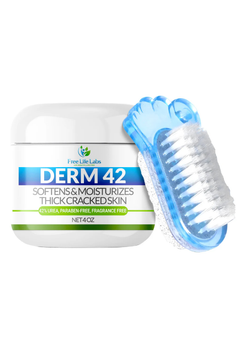
Apply a maximum-strength urea cream directly to the heels and callused edges after drying your feet. A 42% urea formula, such as Derm 42 from Free Life Labs, is designed for intensive foot skin care when standard body lotion is not enough. Massage it in thoroughly, focusing on the cracked areas while avoiding the spaces between your toes.
If the cracks are shallow and not open, applying cream at night and covering your feet with clean cotton socks can help hold moisture against the skin. Do not tightly wrap your feet or place a heavily occlusive covering over a deep, open fissure without medical guidance.
Protect your heels during the day
Healing skin needs less friction and pressure. Choose supportive shoes with a cushioned heel and a back that holds the foot in place. Open-back sandals can allow the heel to expand and dry out, which may keep fissures from closing.
Wear clean, moisture-wicking socks and change them if they become damp. If you are on your feet for work or caregiving, consider taking short sitting breaks when possible. Even small reductions in repeated heel pressure can help tender cracks settle down.
A simple schedule that is easier to maintain
For most dry, cracked heels, apply your urea cream once or twice daily, depending on the product directions and how your skin responds. Smooth thick skin gently one to three times a week, not every day. Daily aggressive filing can trigger irritation and leave the skin more vulnerable.
Consistency matters more than intensity. If you tend to forget, keep your foot cream where you will use it naturally, such as beside your toothbrush or near your bed. Once your heels feel smoother, continue regular moisturizing rather than waiting for deep cracks to return.
Common mistakes that keep heels dry and split
Many people make their heels worse while trying to fix them quickly. Long hot soaks, harsh scrubs, and peeling products can strip the skin barrier. Picking at flakes can turn a manageable crack into an open wound.
Regular body lotion may feel nice but often lacks the strength needed to soften heavy heel calluses. On the other hand, applying a strong exfoliating product to broken or irritated skin can sting and delay recovery. It depends on the condition of your skin: intact, thick calluses may benefit from urea and gentle filing; open or inflamed fissures need professional guidance first.
Do not ignore shoes, either. You can use an excellent cream every night and still struggle if your footwear repeatedly dries, rubs, or spreads the heel during the day.
When cracked heels need medical attention
It is wise to contact a podiatrist or healthcare professional promptly if a crack is deep, bleeding, draining, red, warm, swollen, or increasingly painful. Seek care if you notice odor, pus, fever, red streaking, or skin that turns dark or discolored.
People with diabetes, peripheral neuropathy, peripheral artery disease, impaired circulation, kidney disease, or a previous foot ulcer should take even minor heel cracks seriously. Numbness can hide pain, and poor circulation can slow healing. Check your feet daily, including the bottoms and heels, using a mirror or asking someone you trust for help if needed.
A clinician can determine whether there is infection, fungal involvement, pressure-related damage, or another condition behind recurring cracks. They can also safely reduce thick callus and recommend the right level of wound care.
Keep healing moving forward
Your heels do a demanding job every day. Give them the same practical care you would give any skin area that is dry, stressed, and trying to recover. A steady routine of gentle smoothing, intensive moisture, and protective footwear can make each step feel less painful and help you get back to the daily life you want to enjoy.