Wound Cleanser Versus Saline: Which Is Best?
Share
A small cut, a surgical incision, or a stubborn foot sore can raise a surprisingly practical question: wound cleanser versus saline, which one should you reach for? The best choice depends on the wound, how much debris is present, your risk factors, and the instructions from your healthcare provider. What matters most is cleaning gently, protecting the tissue, and getting help quickly when a wound is not healing as expected.
For people with diabetes, reduced sensation, poor circulation, neuropathy symptoms, or a history of slow-healing wounds, this decision deserves extra care. A wound may not hurt as much as it should, especially when numbness is present. That can make regular checks and a consistent wound-care routine essential for staying mobile and protecting your independence.
Wound Cleanser Versus Saline: The Core Difference
Sterile saline is a simple saltwater solution made to be gentle on body tissue. It is commonly used to rinse a wound, moisten dressings, and remove loose drainage or debris. Because saline has a salt concentration similar to the body's natural fluids, it generally does not sting much or damage healthy healing cells.
A wound cleanser is a broader category. Some are saline-based, while others include gentle surfactants, which help lift dirt, dried drainage, and other material from the wound surface. Certain cleansers may also contain preservatives or ingredients intended to reduce odor or manage bacteria. Their formulas and intended uses vary, so the label and your clinician's directions matter.
Neither option is automatically better in every situation. Saline is often a dependable choice for routine irrigation of a clean, uncomplicated wound. A purpose-made wound cleanser may be helpful when dried drainage, debris, or odor makes simple rinsing less effective. The goal is not to use the strongest product. It is to clean the wound thoroughly without creating additional irritation.
When Saline Often Makes Sense
Saline is commonly recommended for minor wounds and for ongoing care of wounds that are already relatively clean. It can flush away loose material without disrupting delicate new tissue. It is also a practical option for rinsing a wound before applying a clinician-recommended dressing.
Saline may be especially appropriate when the wound bed looks pink or red and moist, with no thick buildup or concerning drainage. If you have been given post-operative instructions, follow those instructions first. Some surgeons want an incision kept dry for a specific period, while others may approve gentle cleansing after the initial recovery window.
The limitation of saline is that it does not actively break down heavy dried drainage or remove oily residue as effectively as a cleanser with a mild surfactant. It also is not a substitute for professional assessment when a wound has dead tissue, a deep pocket, persistent drainage, or signs of infection.
When a Wound Cleanser May Be the Better Fit
A gentle, no-rinse wound cleanser can be useful when a wound needs more than a basic rinse. For example, dried drainage around the wound edges, dirt from an accidental scrape, or residue from a previous dressing can be difficult to remove with saline alone. A cleanser designed specifically for wounds may help loosen this material with less rubbing.
This can be valuable because aggressive scrubbing can harm fragile healing tissue. The skin around a wound also needs protection. Repeated friction, harsh products, and excess moisture can cause redness, breakdown, and pain that complicate recovery.
Choose a wound cleanser made for open wounds, not a general household antiseptic or skin cleanser. A product may be labeled for intact skin, first aid, or hand hygiene without being suitable for the wound bed itself. If your provider has prescribed a specific cleanser, use it exactly as directed rather than switching products based on convenience.
What to Avoid on an Open Wound
Many common home remedies feel like they should help because they sting or smell strong. That sensation does not mean they are improving healing. In fact, some products can be too harsh for routine use on open tissue and may slow recovery by irritating healthy cells.
Unless your healthcare professional specifically tells you otherwise, avoid routinely pouring hydrogen peroxide, rubbing alcohol, iodine, or harsh antiseptic solutions into an open wound. These products may have a role in particular clinical situations, but they are not the usual answer for everyday wound cleansing. Avoid vigorous scrubbing, soaking a wound for long periods, and using fragranced lotions near the wound.
If you are considering an antibiotic ointment, ask your clinician or pharmacist first. Some people develop contact irritation from topical antibiotics, and not every wound needs one. The right dressing and moisture balance can be just as important as the cleansing step.
A Gentle At-Home Cleaning Routine
For a simple wound that your clinician has said can be managed at home, a careful routine is usually more helpful than frequent product changes. Wash your hands well before and after touching the area. Set out clean supplies on a fresh surface, then remove the old dressing slowly.
Look at the wound before cleaning it. Notice its size, color, drainage, odor, and the condition of the surrounding skin. A photo taken in consistent lighting can help you and your provider recognize changes over time. Do not rely on pain alone as a guide, especially if you have neuropathy or reduced feeling in your feet.
Use saline or the recommended wound cleanser to gently rinse the wound. Let the fluid flow across the area rather than rubbing back and forth. Pat the surrounding skin dry with clean gauze, apply any prescribed treatment, and cover the wound with the recommended dressing. Change dressings as directed, not simply whenever you feel worried about the wound.
For a foot wound, reduce pressure as much as possible. A wound on the bottom of the foot can struggle to heal when every step repeatedly presses on it. Your clinician may recommend special footwear, padding, or offloading. Following that advice can make a major difference.
When You Should Call a Clinician
Do not keep trying new over-the-counter products if a wound is worsening. Contact a healthcare professional promptly for spreading redness, increasing warmth or swelling, worsening pain, pus-like drainage, a foul odor, fever, red streaks, or skin turning black, gray, or pale. Seek urgent care for uncontrolled bleeding, a deep wound, a bite, an embedded object, or a wound caused by a dirty or rusty object.
People with diabetes, circulation problems, immune suppression, kidney disease, or loss of sensation should have a lower threshold for calling. A new blister, crack, cut, or sore on the foot can become serious faster than it appears. If a wound is not clearly improving within a few days, or has not healed on the timeline your provider expected, it needs a professional look.
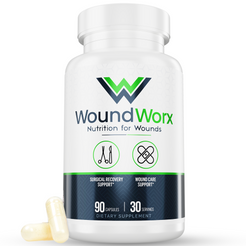
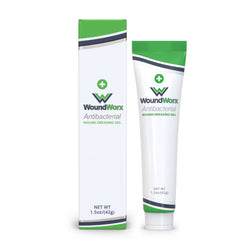
Nutrition also supports the healing process. Your body needs adequate calories, protein, fluids, and key nutrients to rebuild tissue. For people recovering from surgery or managing a slow-healing wound, targeted nutritional support such as Free Life Labs WoundWorx may fit into a broader recovery plan, but it does not replace wound assessment, cleansing, dressings, or medical treatment.
The Best Choice Is the One That Protects Healing Tissue
The practical answer to wound cleanser versus saline is usually simple: saline is a gentle go-to for routine rinsing, while a wound-specific cleanser can be useful when you need help lifting debris without harsh scrubbing. Your provider's instructions should always take priority, particularly after surgery or with a chronic wound.
Treat a wound check as a small daily act of protecting your freedom. Clean it gently, cover it properly, take pressure off when needed, and speak up early when something changes. Those steady steps can help keep a minor problem from taking you off your feet.