Why Wounds Smell and When to Get Medical Help
Share
A wound can look small but still make you hesitate when you notice an odor during a dressing change. Why wounds smell is not always a simple question. A mild, brief odor can come from drainage trapped under a bandage. But a strong, worsening, or foul smell can be a warning that bacteria, damaged tissue, or too much moisture is getting in the way of healing.
For anyone with diabetes, poor circulation, neuropathy, or reduced mobility, a smelly wound deserves timely attention. You may not feel increasing pain if nerve sensation is reduced, so changes in odor, drainage, skin color, or swelling can be especially meaningful. Paying attention early can help protect your comfort, mobility, and independence.
Why Wounds Smell: The Short Answer
Wounds can develop an odor when bacteria interact with wound fluid and damaged tissue. Not all bacteria cause a serious infection, and not every odor means an emergency. Still, a healthy healing wound generally should not have a strong, persistent, unpleasant smell.
The character of the odor matters. A light smell that is present only when an old dressing first comes off may happen because moisture and drainage have been held against the skin. An odor that returns quickly after cleaning, becomes stronger, or smells sweet, rotten, sour, or putrid needs a clinician's assessment.
Odor is one clue, not a diagnosis by itself. The wound's size, depth, drainage, surrounding skin, your health history, and how quickly the changes appeared all matter. A healthcare professional can determine whether the issue is infection, moisture imbalance, dying tissue, or another wound-healing concern.
Common Reasons a Wound Has an Odor
Bacteria in the wound
Bacteria are the most common reason for wound odor. Open skin gives bacteria a place to grow, particularly when drainage is present. Some bacterial growth stays on the surface and may be managed with appropriate wound cleaning and dressings. Other infections can spread into deeper tissue and require prescription treatment or more urgent care.
An infected wound may also produce thicker drainage that is yellow, green, gray, or brown. You may notice redness, warmth, tenderness, swelling, or skin that feels firmer around the wound. These signs do not always appear together, especially in older adults or people with diabetes.
Dead or damaged tissue
Dark, brown, gray, or black tissue in a wound may be dead tissue, sometimes called necrotic tissue. This tissue can create a strong odor and can slow healing because healthy cells cannot easily rebuild across it. Dead tissue also gives bacteria an environment in which to grow.
Do not try to cut, scrape, or pull deeply attached tissue from a wound at home. A wound clinician, podiatrist, surgeon, or other qualified provider can decide whether and how it should be removed safely.
Drainage trapped under a dressing
Wound drainage is part of the healing process, but too much drainage can saturate a bandage and irritate the surrounding skin. When fluid stays trapped in a warm, covered area, it can develop an odor. The skin around the wound may turn white, soft, or wrinkled from excess moisture. This is called maceration, and it can make the wound edges more fragile.
The answer is not always to leave the wound open to air. Many wounds heal better in a protected, appropriately moist environment. The right dressing depends on how much fluid the wound produces, where it is located, and whether infection or circulation problems are present.
An old dressing or poor fit
A dressing that has stayed on too long, leaked, or shifted out of place can hold sweat, drainage, and bacteria near the wound. This can cause odor even if the wound itself is not deeply infected. If a bandage becomes wet, visibly soiled, loose, or saturated, follow your clinician's instructions for changing it rather than waiting for the next scheduled change.
A wound that is not getting enough blood flow
Blood carries oxygen and nutrients needed for repair. When circulation is limited, wounds may heal slowly and be more likely to develop infection or tissue damage. Peripheral artery disease, smoking, swelling, diabetes, pressure on the area, and certain medications can all affect healing.
A foot wound that looks pale, blue, purple, black, or unusually cool should be evaluated promptly. Do not assume it is only dry skin or a minor blister.
When a Smelly Wound Needs Medical Care
Call your healthcare provider, wound clinic, podiatrist, or surgeon promptly if a wound odor is new, worsening, or persistent after the dressing is changed. The same is true if you see increasing drainage, pus, bleeding that does not stop with gentle pressure, redness that is spreading, new warmth, swelling, or worsening pain.
Seek same-day medical guidance for a foot wound if you have diabetes, neuropathy, a history of ulcers, kidney disease, poor circulation, or a weakened immune system. A small cut can become serious more quickly when sensation or blood flow is reduced. If you cannot feel your feet well, use your eyes: inspect the tops, soles, heels, and spaces between toes every day, using a mirror or asking for help if needed.
Get urgent medical care right away if you have fever, chills, confusion, faintness, red streaks moving away from the wound, rapidly spreading redness, severe swelling, or skin that is turning dark. These can be signs that infection may be spreading beyond the wound.
What You Can Do at Home While You Wait for Guidance
Start with clean hands. If you have been given wound-care instructions by your clinician, follow them exactly. In general, avoid touching the wound unnecessarily, keep the surrounding skin clean and dry, and use a fresh dressing as directed.
Do not pour hydrogen peroxide, rubbing alcohol, bleach, or harsh antiseptics into an open wound unless a clinician specifically tells you to use them. These products can damage healthy healing cells and delay recovery. Avoid scented lotions, powders, and home remedies around an open wound as well.
If possible, make note of what has changed. Consider the odor, the amount and color of drainage, the wound's size, the color of the skin around it, and whether you have felt feverish or unwell. A quick photo taken in good lighting can also help you and your care team track visible changes over time.
Pressure relief matters, particularly for heel, toe, and bottom-of-the-foot wounds. Continuing to walk on a sore or ulcerated area can keep reopening tissue that is trying to heal. Ask your provider whether you need different footwear, padding, offloading, or a temporary change in activity.
Support Healing From the Inside Out
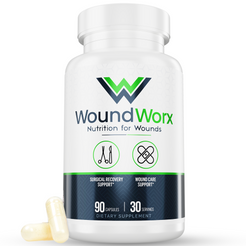
A dressing protects the outside of a wound, but healing properly requires adequate nutrition. Your body needs protein, calories, fluids, vitamins, and minerals to build new tissue and support immune function. Appetite can be low after surgery or during illness, but skipping meals may leave your body with fewer resources for recovery.
Focus on regular meals with protein sources such as eggs, fish, poultry, yogurt, beans, or tofu, based on your dietary needs. Stay hydrated unless you have been instructed to limit fluids. If you have diabetes, keeping blood sugar within the range recommended by your clinician is also a meaningful part of wound support, since high glucose can interfere with healing and increase infection risk.
Nutritional support can complement medical wound care, but it does not replace evaluation for a wound that smells bad, drains heavily, or is getting worse. A complete recovery plan addresses the wound itself, pressure or circulation issues, and the nutrients your body needs to repair.
A wound odor is your cue to look closer, not to panic or wait it out. Trust what you see and smell, especially if you live with numbness or a history of slow-healing skin. Early care gives you the best chance to heal comfortably and get back on your feet with confidence.