A Guide to Pressure Ulcer Prevention at Home
Share
A pressure ulcer can begin quietly: a red spot on a heel after a long afternoon in a recliner, or a tender area near the tailbone that does not fade after pressure is removed. For people with limited mobility, diabetes, poor circulation, or numbness from neuropathy, that small change can become a serious wound. This guide to pressure ulcer prevention focuses on practical, at-home habits that protect skin, preserve mobility, and help you act before damage deepens.
Pressure ulcers are also called pressure injuries or bedsores. They form when sustained pressure reduces blood flow to an area of skin and the tissue underneath it. Friction, sliding in bed or a chair, moisture, and poor nutrition can add to the risk. Prevention is not about one perfect cushion or cream. It is a consistent plan built around movement, skin checks, moisture control, nourishment, and timely clinical care.
Who needs a pressure ulcer prevention plan?
Anyone who cannot easily shift their own weight should be considered at risk. This includes people recovering from surgery, living with paralysis, spending long periods in bed or a wheelchair, or becoming weaker during an illness. Older adults may have thinner, more fragile skin, while people with diabetes or peripheral neuropathy may not feel early soreness or pressure in their feet.
Risk can also rise with dehydration, unplanned weight loss, incontinence, swelling, fever, or a history of pressure ulcers. A person does not need to be completely bedridden to develop one. Long hours in a recliner, car seat, or wheelchair can put meaningful pressure on the heels, hips, tailbone, shoulder blades, and ankles.
A clinician can help assess individual risk, especially after a hospital stay or surgery. The right prevention plan depends on the person's mobility, skin condition, nutrition, medical needs, and the surfaces they use every day.
Reduce pressure before skin breaks down
The most effective prevention habit is regular repositioning. When a person can move independently, encourage frequent small shifts - leaning side to side, changing leg position, standing briefly when safe, or taking short walks. These movements restore circulation and reduce prolonged force on the same areas.
For someone who needs assistance, follow the turning and repositioning schedule provided by their care team. A common routine may involve changing position at regular intervals in bed and shifting weight often while seated, but there is no single schedule that fits everyone. Someone with fragile skin, an existing wound, or limited sensation may need more frequent support. Someone using a clinically selected pressure-redistributing mattress or wheelchair cushion may have different instructions.
Avoid dragging a person across sheets or pulling them up by the arms. This creates friction and shear, which can damage tissue beneath skin that still looks intact. Use a draw sheet, transfer aid, or caregiver assistance to lift and reposition more safely. In bed, keep the head elevated only as much as needed for comfort and medical reasons. Sitting upright for long periods can cause the body to slide downward, increasing shear around the tailbone.
Heels deserve special attention. They can remain pressed into a mattress for hours and are especially vulnerable in people with poor circulation or reduced feeling. Float the heels by placing a pillow lengthwise under the calves so the heels are not resting on the bed. Do not place a donut-shaped cushion directly under a bony area, as it can concentrate pressure around the edges.
Make daily skin checks part of the routine
A quick skin check is one of the simplest ways to catch trouble early. Check at least once a day, and more often if the person is incontinent, sweating heavily, wearing a brace, or unable to change position independently. Look closely at heels, ankles, knees, hips, buttocks, tailbone, elbows, shoulder blades, and any place medical equipment touches the skin.
On lighter skin, an early pressure injury may appear red or darker than the surrounding area and may not turn pale when gently pressed. On darker skin, it may look purple, blue, gray, ashen, or unusually dark. The area may also feel warmer, firmer, softer, painful, itchy, or swollen compared with nearby skin.
Use a mirror for hard-to-see areas or ask a caregiver for help. For people with neuropathy, visual checks matter because pain may not provide an early warning. Check feet daily, including between the toes and around the heel. Never walk barefoot if sensation is reduced, and make sure shoes fit without rubbing or creating pressure points.
Call a clinician promptly if you notice persistent discoloration, a blister, an open area, drainage, a foul odor, increasing pain, or skin that feels unusually warm. Seek urgent medical attention for fever, spreading redness, confusion, rapidly worsening skin changes, or signs of infection. Do not try to treat a deep, black, or draining wound with home remedies.
Keep skin clean, dry, and protected
Moisture from sweat, urine, stool, or wound drainage can weaken skin and make it easier to tear. Clean gently after each episode of incontinence using a mild cleanser and lukewarm water. Pat dry rather than rubbing. A moisture barrier product may help protect vulnerable skin, but ask a clinician which option is appropriate for the area and the person's condition.
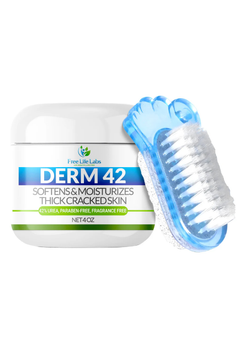
At the same time, dry, cracked skin needs support. Cracks in the feet or heels can create another pathway for injury and infection, particularly for people managing diabetes. Use a fragrance-free moisturizer on dry skin as directed, but avoid applying lotion between the toes where excess moisture can contribute to skin problems. Thickened, severely dry heel skin may benefit from a targeted foot-care routine, provided there is no open wound and a clinician has not advised otherwise.
Choose soft, breathable clothing and smooth bedding. Keep sheets dry and free of wrinkles, crumbs, cords, or objects that can press into the skin. Check tubing, oxygen lines, braces, compression devices, and footwear regularly. Even necessary medical equipment can cause pressure injury if it is too tight or left in one position too long.
Support skin with food, fluids, and recovery care
Healing properly requires adequate nutrition, and prevention does too. Skin and tissue need enough calories, protein, vitamins, minerals, and fluids to stay resilient. Appetite often drops after surgery or during illness, which is why unplanned weight loss should be taken seriously.
Build meals around protein-rich foods such as eggs, fish, poultry, yogurt, beans, or tofu, along with colorful fruits and vegetables and nourishing whole-food carbohydrates. Hydration needs vary, particularly for people with heart or kidney conditions, so follow the fluid guidance from the medical team rather than forcing extra water.
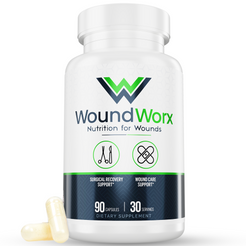
If eating enough is difficult, a registered dietitian or clinician can help identify a practical plan. Nutritional supplements may be useful for some people, but they should support - not replace - meals and professional guidance. People with diabetes should also work to keep blood sugar within the range recommended by their care team, since elevated blood sugar can interfere with skin health and wound recovery.
Use equipment wisely, not as a substitute for movement
Pressure-redistributing mattresses, wheelchair cushions, heel protectors, and transfer aids can make a meaningful difference. They are particularly valuable after surgery, during extended bed rest, or when a person cannot reposition independently. But no cushion or mattress removes the need for skin checks and regular movement.
Ask a physical therapist, occupational therapist, wound-care clinician, or seating specialist to recommend equipment that fits the person and their daily routine. A cushion that is excellent for one wheelchair user may be wrong for another. Proper fit, inflation, positioning, and maintenance all matter.
The goal is not to make life smaller in order to avoid risk. It is to create enough comfort and protection for someone to sit with family, sleep more safely, recover with confidence, and stay as active as their body allows. Small, steady prevention habits can protect vulnerable skin and help keep everyday freedom within reach.