Nutrients Needed for Wound Healing That Matter
Share
A wound can look small and still demand a great deal from the body. Whether you are recovering from surgery, managing a skin tear, or watching a stubborn foot sore, the nutrients needed for wound healing help determine how well your body can rebuild tissue, fight infection, and restore strength.
Good wound care starts with cleaning, protection, pressure relief when needed, and medical follow-up. Nutrition is the support system working behind the scenes. When the body does not get enough calories, protein, vitamins, and minerals, it may have to choose between everyday functions and repair. That can leave healing slower than it should be.
Why Nutrition Has Such a Direct Effect on Healing
Wound healing is not one simple event. Your body moves through several overlapping stages: controlling bleeding, managing inflammation, building new tissue, and remodeling that tissue into stronger skin. Each stage requires energy and raw materials.
This is especially relevant for adults with diabetes, poor circulation, reduced appetite, recent surgery, limited mobility, or chronic inflammation. These factors can make a wound harder to heal on their own. Poor nutrition can add another obstacle, even when the wound is being cleaned and dressed properly.
Food and targeted nutritional support cannot replace medical wound treatment. But healing properly requires adequate nutrition. A complete recovery plan gives your body the building blocks it needs while you and your clinician address the reason the wound developed in the first place.
The Most Important Nutrients Needed for Wound Healing
Protein: the foundation for new tissue
Protein is often the first nutrient clinicians consider when a wound is slow to improve. The body uses amino acids from protein to create collagen, support immune cells, and rebuild skin and other tissues. When protein intake is low, the body may break down muscle to obtain what it needs, which can reduce strength and make recovery more difficult.
Good choices include eggs, poultry, fish, lean meat, Greek yogurt, cottage cheese, beans, lentils, tofu, and protein-fortified shakes. The right amount depends on body size, kidney function, appetite, wound severity, and other health conditions. People with kidney disease should not dramatically increase protein without guidance from their healthcare professional.
Rather than trying to eat one oversized high-protein meal, spread protein through the day. An egg at breakfast, yogurt as a snack, chicken or beans at lunch, and fish or tofu at dinner can be easier to manage when appetite is low.
Calories: energy for the repair process
A common mistake is focusing on protein while overlooking total calorie intake. Repair takes energy. If you are eating too little overall, the body may burn protein for fuel instead of using it to help build new tissue.
After surgery or during a prolonged healing period, some people unintentionally eat less because of pain, nausea, fatigue, medication changes, or a reduced ability to shop and cook. Small, frequent meals may help. Pair protein with calorie-containing foods such as oatmeal, whole-grain toast, avocado, nut butter, olive oil, milk, or full-fat yogurt if those choices fit your health needs.
For people managing blood sugar, the goal is not to load up on sweets. Choose balanced meals and snacks that support steady glucose levels. High blood sugar can interfere with wound healing and raise infection risk, so nutrition and blood sugar management need to work together.
Vitamin C: collagen and antioxidant support
Vitamin C helps the body make collagen, a structural protein that gives healing tissue strength. It also supports immune function and acts as an antioxidant during the inflammatory phase of healing.
Citrus fruit, strawberries, kiwi, bell peppers, broccoli, tomatoes, and potatoes are practical sources. A colorful plate is useful here: adding berries to breakfast or bell pepper strips to lunch can make a meaningful difference over time.
A supplement may be considered when food intake is poor or needs are higher, but more is not always better. Very high doses can cause digestive upset and may not be appropriate for everyone. A clinician can help determine whether a supplement makes sense for your specific situation.
Zinc: a small mineral with a major role
Zinc is involved in cell growth, immune function, protein production, and tissue repair. A true zinc deficiency can contribute to delayed healing, but taking high-dose zinc for a long time without a clear reason can create problems, including reduced copper absorption.
Meat, seafood, dairy, beans, nuts, seeds, and fortified cereals provide zinc. For many people, a food-first approach is enough. If a clinician recommends supplemental zinc for a deficiency or significant wound, follow the recommended dose and duration instead of assuming more will speed recovery.
Vitamin A: support for skin and immune response
Vitamin A supports immune function and the growth of epithelial cells, the cells involved in rebuilding the skin’s surface. It can be found in eggs, dairy foods, liver, and fortified foods, as well as orange and dark green produce such as sweet potatoes, carrots, spinach, and kale.
Vitamin A deserves extra caution because high supplemental doses can be harmful. Pregnancy, liver conditions, and certain medications can change what is safe. Food sources are generally a sensible starting point unless your medical team recommends otherwise.
Iron, B vitamins, and folate: oxygen matters
New tissue needs oxygen. Iron helps make hemoglobin, which carries oxygen through the blood. Vitamin B12 and folate also help support healthy red blood cell production. When anemia is present, a wound may have a harder time getting the oxygen needed for repair.
Iron-rich foods include red meat, poultry, seafood, beans, lentils, spinach, and fortified cereals. Pairing plant-based iron sources with vitamin C-rich foods can help absorption. For example, beans with tomatoes or spinach with strawberries can be useful combinations.
Do not begin iron supplements just because a wound is slow to heal. Iron can cause side effects and is not appropriate for everyone. A blood test and medical guidance can identify whether iron, B12, or folate is actually low.
Fluids: often overlooked, always necessary
Hydration supports circulation and helps transport nutrients to healing tissue. It also helps maintain skin integrity. Water is usually the best foundation, though soups, milk, decaffeinated tea, and water-rich foods can contribute.
Fluid needs vary. Heart failure, kidney disease, and some medications may require fluid limits. If you have been told to restrict fluids, follow that plan rather than forcing extra water for healing.
A Practical Daily Approach to Recovery Nutrition
The best wound-healing diet is usually not complicated. Aim to include a protein source at every meal, fruits or vegetables in a range of colors, and enough nourishing food to maintain energy and strength. If cooking feels difficult, keep convenient options on hand: hard-boiled eggs, tuna packets, low-sugar yogurt, pre-cooked chicken, frozen vegetables, soups with beans or meat, and ready-to-drink protein shakes.
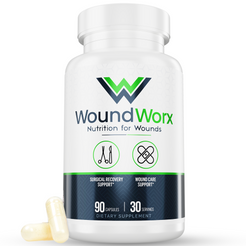
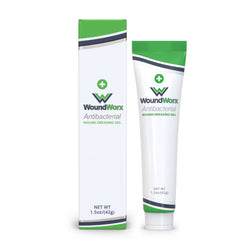
A purpose-built nutrition product can also be useful when appetite is low or meals are inconsistent. Free Life Labs WoundWorx is designed to provide supportive nutrition for recovery, but it should fit into a broader care plan rather than replace meals or professional wound treatment.
Watch for barriers that may be getting in the way. Dentures that do not fit, nausea, constipation, food insecurity, depression, pain, and difficulty standing in the kitchen can all reduce intake. These are not minor details. Solving one practical barrier can make it easier to eat well consistently.
When a Wound Needs Medical Care, Not Just Better Nutrition
Nutrition supports healing, but it cannot treat an infection, remove dead tissue, restore blood flow, or take pressure off a foot ulcer. Contact a healthcare professional promptly for spreading redness, warmth, swelling, pus or drainage, a bad odor, fever, increasing pain, black tissue, or a wound that is not improving.
People with diabetes, neuropathy, peripheral artery disease, or reduced feeling in their feet should be especially cautious. A painless wound is not necessarily a minor wound. Numbness can hide pressure, injury, and worsening infection until the problem becomes more serious.
The goal is not perfection at every meal. It is giving your body dependable support, day after day, while protecting the wound and getting the right care. That steady approach can help you preserve comfort, mobility, and the confidence to get back on your feet.