What Nerve Support Supplements Should Include
Share
Burning feet at bedtime. Pins-and-needles that make a walk around the block feel uncertain. Numbness that leaves you checking the floor before every step. When nerve discomfort starts shaping your routine, nerve support supplements may be one practical part of a larger plan to support comfort, mobility, and confidence.
A supplement is not a cure for neuropathy, and it should never replace medical care for new, worsening, or unexplained symptoms. But the right formula can help address nutritional gaps that may affect normal nerve function, especially when it is paired with good blood sugar management, nourishing meals, foot care, movement that feels safe, and guidance from your healthcare provider.
Why nerve discomfort deserves a closer look
Nerves carry messages between your brain, spinal cord, and the rest of your body. When those messages are disrupted, symptoms can show up as tingling, burning, sharp sensations, sensitivity to touch, weakness, or reduced feeling in the feet and hands. Peripheral neuropathy has many possible causes, including diabetes, vitamin deficiencies, certain medications, alcohol use, thyroid conditions, kidney disease, injury, and past treatments such as chemotherapy.
That range of causes matters. A person whose symptoms are tied to low vitamin B12 has different needs from someone managing diabetic nerve changes or recovering after surgery. This is why a one-size-fits-all promise should raise questions. A useful supplement supports the body, but it cannot identify the reason symptoms began.
If numbness or weakness comes on suddenly, affects one side of the body, follows an injury, or arrives with trouble speaking, severe headache, chest pain, loss of balance, or changes in bladder or bowel control, seek urgent medical attention. For persistent symptoms, schedule a conversation with a clinician rather than simply trying product after product.
What nerve support supplements are designed to do
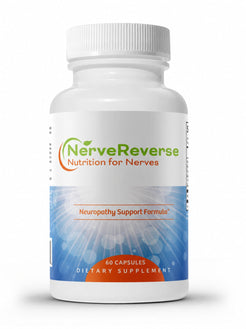
The purpose of nerve support supplements is usually nutritional support, not instant pain relief. They may provide vitamins, minerals, antioxidants, and other compounds selected for their role in normal nerve metabolism, cellular health, or protection from oxidative stress.
Results, when they happen, are often gradual. Nerve tissue changes slowly, and the body needs consistent support over time. That can be frustrating when discomfort interrupts sleep or limits your ability to stand, shop, work, or enjoy time with family. It is also a reason to be skeptical of products that promise overnight reversal.
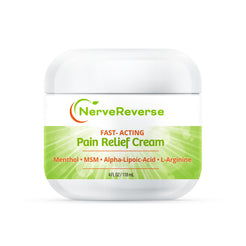
For immediate, localized comfort, a topical option may be useful alongside nutrition-focused support. For example, a menthol cream can provide a cooling sensation to painful areas, while a daily supplement works on a different timeline. These approaches serve different purposes and can fit together when your provider agrees they are appropriate for you.
Ingredients that deserve a place in the conversation
A complete formula should be transparent about what it contains and why. The exact ingredients that make sense depend on your health history, medications, diet, and lab results, but several nutrients are commonly discussed in nerve-health formulas.
B vitamins, with the right balance
Vitamins B1, B6, B12, folate, and related B vitamins help support energy metabolism and normal nervous system function. B12 deserves special attention because deficiency can contribute to numbness, tingling, balance changes, and fatigue. Older adults, people taking metformin or acid-reducing medications, and people with certain digestive conditions may be at higher risk for low B12.
More is not always better. High doses of vitamin B6 taken for long periods can itself cause nerve symptoms in some people. Check the amount per serving, account for B6 in multivitamins or energy products, and ask your clinician or pharmacist whether the total is right for you.
Alpha-lipoic acid and antioxidant support
Alpha-lipoic acid is an antioxidant that has been studied for nerve-related symptoms, particularly in people with diabetes. Research results and dosing approaches vary, so it is best viewed as supportive rather than guaranteed. It may also affect blood sugar, which is particularly relevant for people using insulin or other glucose-lowering medications.
Other antioxidant ingredients may be included in formulas because oxidative stress can play a role in nerve health. The label should make clear which ingredients are present and in what amounts. A long ingredient list alone is not proof of a better product. Meaningful dosing and a clear purpose matter more.
Minerals and targeted nutrients
Some formulas include nutrients such as magnesium, acetyl-L-carnitine, benfotiamine, or vitamin D. Each has a different role and different considerations. Magnesium can interact with certain antibiotics and thyroid medications. Vitamin D needs may depend on blood levels. Acetyl-L-carnitine may not be appropriate for everyone.
That is why the strongest purchase decision is not based on a single trendy ingredient. Look for a well-explained, symptom-focused formula and make sure it fits your personal care plan.
How to evaluate a nerve support supplement
Start with the Supplement Facts panel, not the front-label promises. You should be able to see every ingredient, the dose per serving, and any added fillers or allergens. If a company relies on a proprietary blend that hides individual amounts, it is harder to judge whether the formula is appropriately dosed.
Next, consider whether the formula respects the reality of your situation. If you take prescription medication, manage diabetes, have kidney or liver disease, are pregnant, or are preparing for surgery, bring the full label to your clinician or pharmacist. Natural does not automatically mean risk-free, especially when multiple products are involved.
Quality also matters. Choose companies that provide clear directions, avoid exaggerated disease claims, and stand behind their products with responsive customer support and a straightforward guarantee. Free Life Labs, for example, focuses on purpose-built supportive-care products designed around the daily challenges of numbness, burning, tingling, and foot discomfort.
Finally, give any clinician-approved supplement a fair, defined trial. Take it as directed, avoid changing several things at once, and keep simple notes on sleep, sensations, balance, activity tolerance, and side effects. That record can make your follow-up conversations more productive.
Support your nerves beyond the supplement bottle
A supplement works best as part of daily care, not as the entire plan. Blood sugar management is especially important for people with diabetes because ongoing high blood sugar can damage nerves and slow healing. Your healthcare team can help you identify realistic goals and adjust medication when needed.
Foot protection is equally practical. Reduced sensation can make it easier to miss a blister, cut, hot spot, or cracked area of skin. Check your feet every day, including between the toes and the bottoms of the feet. Wear well-fitting shoes, avoid walking barefoot, and address dry, cracked skin before it becomes a larger problem. If you notice an open sore, drainage, redness, warmth, swelling, or a wound that is not improving, contact a healthcare professional promptly.
Nutrition supports recovery too. Regular meals with adequate protein, fiber-rich carbohydrates, healthy fats, fruits, and vegetables give the body raw materials it needs for repair. If appetite has been low after illness or surgery, or if a restricted diet makes eating well difficult, ask whether nutrition counseling or targeted supplementation would help.
Gentle activity can support circulation, strength, and confidence when it is safe for you. For one person, that may be a few minutes of walking. For another, it may be seated exercises, physical therapy, or balance training. The goal is not to push through severe pain. It is to keep moving in a way your body can tolerate.
Know when it is time to get help
Do not wait for discomfort to become unbearable before talking with a provider. A medical evaluation may include medication review, blood tests for nutrient deficiencies or blood sugar concerns, and an assessment of circulation, skin condition, strength, and reflexes. Finding a contributing cause can open the door to more effective care.
The same applies if symptoms change while using a supplement. Stop the product and seek advice if you develop a rash, stomach distress, dizziness, unusual weakness, or any concerning reaction. If the formula is not helping after a reasonable trial, that is useful information, not a personal failure.
Your next step can be simple: choose one supportive habit you can maintain this week, whether that is checking your feet each evening, bringing your supplement label to an appointment, or taking a short, safe walk. Small, steady actions can help you protect the freedom to move through daily life with greater comfort and confidence.