Neuropathy Mobility Outcomes: What Helps Most
Share
A trip across the grocery store, a walk to the mailbox, standing long enough to cook dinner - these ordinary moments can become exhausting when your feet burn, feel numb, or do not reliably tell you where the ground is. Neuropathy mobility outcomes are not measured only by how far someone can walk. They show up in confidence, balance, comfort, skin health, and the ability to keep living on your own terms.
Peripheral neuropathy can affect people differently. One person may mainly feel pins-and-needles at night, while another struggles with weakness, foot pain, or an unsteady gait. The right plan depends on the cause, the symptoms, and your overall health. Still, the same principle often applies: protecting mobility requires attention before a small problem becomes a reason to stop moving.
What Neuropathy Mobility Outcomes Really Mean
Mobility is more than leg strength. Healthy movement requires your nerves to sense pressure and position, your muscles to respond, your joints to move comfortably, and your feet to tolerate the demands of daily life. When nerve signals are disrupted, walking can require more concentration and feel less secure.
Better neuropathy mobility outcomes may look like getting up from a chair without bracing yourself, taking the stairs with greater confidence, sleeping with less pain interruption, or returning to a regular neighborhood walk. For others, success means avoiding a fall, noticing a blister early, or having enough comfort to stay active while managing a chronic condition.
That distinction matters. Numbness can be as limiting as pain because it reduces the feedback your body uses to adjust to uneven ground. Burning pain can cause people to shorten their stride or avoid weight-bearing. If this pattern continues, reduced activity can weaken the legs and affect balance further. The goal is not to push through every symptom. It is to build a safer, more comfortable path to consistent movement.
Why Symptoms Change the Way You Move
Neuropathy may alter gait in subtle ways before you recognize a major problem. You may look down more often, walk with a wider stance, shuffle, hold furniture for support, or avoid walking in low light. These adjustments can be sensible in the moment, but they may also signal that your balance system needs more support.
Pain changes movement, too. If the sole of your foot feels like it is on fire, you may unconsciously place less weight on that side. Over time, favoring one foot can place extra stress on the knees, hips, and lower back. People with diabetes or circulation concerns also need to be especially careful, since numb areas may not alert them to pressure, rubbing, cuts, or heat exposure.
Mobility can decline quickly after a fall, a wound, surgery, or a period of inactivity. That is why early action matters. Addressing discomfort, balance, foot skin, and strength together is typically more useful than treating walking as a willpower problem.
Start With the Medical Causes You Can Address
Neuropathy has many possible causes, including diabetes, vitamin deficiencies, alcohol use, certain medications, thyroid conditions, autoimmune disease, chemotherapy, spinal issues, and injury. Some causes are treatable or need changes in medical management. A clinician can help determine what is driving your symptoms and whether testing, medication adjustments, physical therapy, or referral to a specialist makes sense.
Do not assume every new foot symptom is simply neuropathy. New weakness, rapidly worsening balance, one-sided symptoms, severe swelling, or pain that comes on suddenly deserves prompt medical attention. So does a foot wound, redness, warmth, drainage, discoloration, fever, or a sore that is not healing. If you have diabetes and notice a new break in the skin, contact your healthcare provider promptly.
Your provider can also help you set realistic mobility goals. Someone recovering from surgery may need a gradual return to activity. Someone with long-standing numbness may benefit most from fall prevention and daily foot protection. There is no one-size-fits-all timeline, but there are practical steps that support better function at home.
Support Better Neuropathy Mobility Outcomes at Home
Keep movement regular, not punishing
When discomfort is persistent, doing too much on a good day can lead to several difficult days afterward. A better approach is usually short, repeatable sessions. A five- or ten-minute walk, gentle chair exercises, light calf raises while holding a counter, or a few minutes on a stationary bike can help maintain strength and circulation without overwhelming sensitive feet.
Choose the activity you can perform with good form and reasonable comfort. Walking is useful for many people, but it is not the only option. If foot pain is high-impact, a recumbent bike, pool exercise, or seated routine may allow you to stay active with less irritation. A physical therapist can tailor exercises for strength, balance, and gait when walking feels unsafe.
Train balance in a safe setting
Balance work should feel controlled, not risky. Practice near a sturdy counter, with a supportive person nearby if needed. Standing with feet hip-width apart, shifting weight slowly from side to side, and practicing sit-to-stand movements are simple ways to work on stability.
The environment matters as much as the exercise. Keep floors clear, secure loose rugs, use bright lighting in hallways and bathrooms, and keep frequently used items within easy reach. Wear supportive, well-fitting shoes indoors rather than walking barefoot or in slippery socks. These changes are not signs of limitation. They are practical ways to preserve independence.
Make foot checks part of the routine
A numb foot can develop a problem without causing immediate pain. Check the tops, soles, heels, and spaces between toes every day. A hand mirror can help, or a family member can assist if bending is difficult. Look for cuts, cracks, blisters, swelling, redness, calluses, drainage, or areas that appear darker or paler than usual.
Skin care is a mobility issue. Deep heel cracks and dry, thick skin can make every step uncomfortable and create openings that need attention. Moisturizing dry skin consistently can improve comfort, but avoid putting cream between the toes, where excess moisture may contribute to skin breakdown. For severe dryness and cracked heels, a concentrated urea formula such as Derm 42 can help soften and condition thick, rough foot skin when used as directed. It is supportive care, not a substitute for evaluation of an open wound or infected skin.
Address discomfort so movement stays possible
Pain relief is not about ignoring warning signs. It is about creating enough comfort to move safely, sleep better, and follow through with the habits that support health. Some people use clinician-prescribed treatments, while others add topical options for temporary symptom relief.
A 4% menthol cream can create a cooling sensation that helps temporarily ease minor aches and nerve discomfort for some people. It may be especially useful before a planned walk or at the end of a long day. Avoid applying topical products to broken, irritated, or infected skin unless a clinician has told you otherwise.
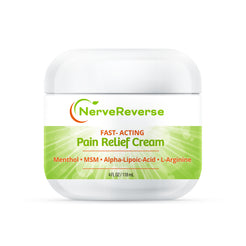
Nutritional support may also be part of a broader plan, particularly when dietary intake is limited or a clinician identifies a need. Free Life Labs' NerveReverse is formulated with clinically studied ingredients to support people dealing with numbness, burning, and tingling. Supplements should complement, not replace, medical evaluation, glucose management when applicable, regular meals, hydration, and prescribed care.
The Trade-Off: Rest Versus Activity
Rest is necessary when you have an injury, active wound, severe flare, or post-operative restrictions. But extended inactivity can make walking harder by reducing leg strength and confidence. The answer is often not complete rest or aggressive exercise. It is the right amount of protected movement for your current condition.
Pay attention to what happens during activity and the next day. Mild muscle fatigue that resolves is different from escalating burning, new swelling, skin damage, or increasing instability. If symptoms are consistently worse after an activity, reduce the duration or choose a lower-impact option. A steady plan that you can repeat usually produces better results than occasional bursts of effort.
Measure Progress Beyond Step Counts
Step counts can be helpful, but they do not tell the whole story. Track the outcomes that affect your freedom: how often you feel steady, whether you need to rest during a routine task, whether nighttime discomfort is improving, and whether your feet remain intact and comfortable.
You might also notice progress in small but meaningful ways. You can stand at the counter longer. You stop avoiding a favorite errand. You feel safer walking from the bedroom to the bathroom at night. These are real functional gains, and they are often the changes that make daily life feel more like your own again.
Your body does not need a perfect plan. It needs a consistent, safe one: protect your feet, address symptoms early, keep moving within your limits, and ask for help when the pattern changes. Each comfortable, confident step is worth protecting.