Nerve Supplements Versus Pain Relievers
Share
Burning feet at bedtime, a sudden electric sensation in your toes, or numbness that makes every step feel uncertain can change the shape of an ordinary day. When comparing nerve supplements versus pain relievers, the most useful question is not which option is universally better. It is which type of support fits what you are feeling, what may be driving it, and what helps you keep moving with greater comfort and confidence.
Pain relief and nerve support can play different roles in an at-home routine. One may help you get through a difficult moment. The other may be designed to support nutritional needs related to healthy nerve function over time. Knowing the difference can help you make a more informed choice and have a better conversation with your healthcare provider.
Nerve Supplements Versus Pain Relievers: The Core Difference
Pain relievers are generally intended to reduce the sensation of pain or discomfort. Depending on the product, they may work locally where they are applied or throughout the body after you take them. A topical product with menthol, for example, creates a cooling sensation that can temporarily distract from or soothe uncomfortable nerve sensations in a specific area.
Nerve supplements work differently. They are not designed to provide immediate pain relief. Instead, they typically provide vitamins, antioxidants, amino acids, or other nutrients selected to support nerve health and normal metabolic processes. This approach is often appealing to people who are looking for daily nutritional support alongside the practical steps they already take to manage discomfort.
That distinction matters because nerve symptoms can be persistent. If tingling, burning, numbness, or sensitivity has been affecting your sleep, balance, or willingness to walk, temporary relief can be valuable. But it may not address every part of your long-term support plan.
What Pain Relievers Can Do Well
Pain relievers have a clear place when discomfort is getting in the way of daily life. A topical pain-relief cream can be especially useful when symptoms are concentrated in the feet, legs, or another specific area. Because it is applied where you need it, it can be a convenient option before walking, resting, or going to bed.
Over-the-counter oral pain relievers may also be used for certain types of aches and pains. However, they are not interchangeable, and they are not right for everyone. Anti-inflammatory medicines can interact with other medications and may not be appropriate for people with kidney disease, stomach ulcers, heart concerns, or a history of bleeding. Acetaminophen has different risks, including potential liver harm when too much is taken or when it is combined with alcohol.
For nerve-related discomfort specifically, standard pain relievers do not always provide the relief people expect. Neuropathic pain involves changes in how nerves send and process signals, so it may respond differently than pain from a sprain, sore muscle, or headache. This is one reason some people use topical relief for comfort while also discussing broader treatment options with their clinician.
Pain relievers can be helpful tools. They should not be treated as a reason to ignore a new, worsening, or unexplained symptom.
What a Nerve Supplement May Add to Your Routine
A complete nerve-support supplement is intended for consistency, not a quick fix. Its role is to provide targeted nutritional support that may be relevant when diet, aging, health conditions, or medication use make it harder to meet certain nutrient needs.
For example, B vitamins are involved in normal nerve function and energy metabolism. Alpha-lipoic acid is an antioxidant that has been studied in relation to nerve discomfort, particularly in people with diabetes. Other ingredients may be included to support circulation, cellular health, or antioxidant defenses. The formula matters, as do the dose, ingredient quality, your medical history, and the medications you take.
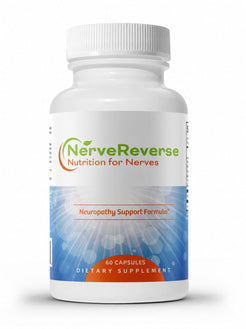
Free Life Labs created NerveReverse as a daily formula with 20 clinically studied ingredients for people seeking nutritional support for numbness, tingling, burning, and nerve discomfort. It is designed to fit into a consistent wellness routine, not to replace medical care or promise overnight results.
Supplements are not regulated the same way prescription medications are, and “natural” does not automatically mean risk-free. Certain nutrients can interact with medications or be unsuitable at high doses. Vitamin B6 is one example: it is essential in appropriate amounts, but long-term excessive intake can itself contribute to nerve problems. Choose products with transparent labels, follow directions, and ask a pharmacist or healthcare provider about potential interactions.
When It May Make Sense to Use Both
For many people, this is not an either-or decision. A daily nerve supplement and a topical pain-relief product may address different needs at different times.
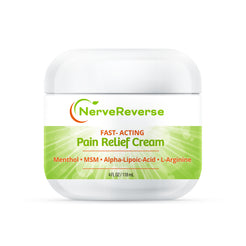
Someone with ongoing tingling may choose a supplement as part of a longer-term routine focused on nerve nutrition, blood sugar management, movement, sleep, and foot care. The same person might use a maximum-strength 4% menthol cream when burning sensations become especially distracting in the evening. One approach is about nutritional support over time; the other is about temporary, targeted comfort now.
The key is to keep expectations realistic. A supplement may take weeks of consistent use before you can judge whether it is a helpful addition to your routine. A topical product may feel fast, but that effect is temporary. Neither should delay evaluation of the cause of your symptoms.
If you take prescription medications for nerve pain, diabetes, blood pressure, blood thinning, or another ongoing condition, check with your clinician before adding a supplement. They can help you avoid duplicate ingredients, side effects, and interactions.
Start With the Cause, Not Just the Sensation
Nerve discomfort has many possible causes. Diabetes and prediabetes are common contributors, but they are not the only ones. Vitamin deficiencies, alcohol use, thyroid disorders, autoimmune conditions, certain medications, back problems, chemotherapy, and circulation issues can all play a role.
That is why ongoing numbness, tingling, burning, weakness, or changes in balance deserve attention. Treating the sensation without understanding the cause can leave an important health issue unaddressed. A clinician may recommend blood work, a medication review, a foot exam, or further testing based on your symptoms.
For people living with diabetes, regular foot checks are especially important. Reduced sensation can make a small cut, blister, pressure spot, or cracked heel easy to miss. Look at the tops, soles, sides, and spaces between your toes every day. Keep skin clean and moisturized, but do not apply heavy cream between the toes, where excess moisture can increase skin problems.
Signs You Should Seek Care Promptly
Do not rely on a supplement or over-the-counter pain product alone if you have a foot wound, spreading redness, warmth, swelling, drainage, fever, or skin that turns dark, pale, or blue. These symptoms can require timely medical care.
You should also seek prompt evaluation for sudden weakness, new trouble walking, loss of bladder or bowel control, severe back pain with leg symptoms, or numbness that develops quickly on one side of the body. These are not symptoms to monitor at home.
Even without an emergency, schedule a visit if your discomfort is worsening, regularly interrupts sleep, affects your balance, or makes everyday movement harder. The goal is not simply to tolerate less comfort. It is to protect your mobility, independence, and quality of life.
A Practical Way to Choose Your Next Step
If your main need is temporary comfort in a specific area, a topical pain reliever may be a sensible first tool. If you are looking for daily nutritional support as part of a broader nerve-health routine, a thoughtfully formulated supplement may be worth discussing with your healthcare provider. If symptoms are new, escalating, or paired with skin changes or weakness, start with medical evaluation.
The best routine is often the one you can use consistently and safely: support your body with adequate nutrition, protect and inspect your feet, stay connected with your care team, and use targeted comfort measures when they fit. Small, steady actions can help you spend less time planning around discomfort and more time doing what keeps you feeling like yourself.