Best Cream for Neuropathy Pain: What Works
Share
Burning feet can make a short trip to the kitchen feel like a major task. Tingling may interrupt sleep. Even the pressure of socks or bedsheets can become unbearable. If you are searching for the best cream for neuropathy pain, you are likely looking for something practical: fast, dependable comfort that helps you stay on your feet and get through the day.
A topical cream will not cure the underlying nerve damage that can cause neuropathy. But the right formula can be a valuable part of an at-home symptom-support routine, especially when pain is concentrated in the feet, toes, ankles, hands, or lower legs. The goal is not to chase a miracle. It is to find targeted relief that fits your symptoms, your skin, and your daily life.
Is There One Best Cream for Neuropathy Pain?
There is no single cream that is best for every person with neuropathy. Nerve discomfort has different causes, including diabetes, certain medications, vitamin deficiencies, alcohol use, injury, surgery, and other health conditions. Symptoms can also vary widely. One person may have burning sensations, while another feels pins-and-needles, sharp pain, numbness, or extreme sensitivity to touch.
For many adults, a menthol-based topical pain-relief cream is a sensible place to start. Menthol creates a cooling sensation on the skin that can temporarily distract from pain signals and provide noticeable comfort without needing to take another pill. It is especially useful for localized discomfort, such as feet that burn at night or lower legs that ache after being active.
The best choice depends on what you need most. If you want rapid, external relief for a specific painful area, a topical cream may help. If numbness, tingling, and burning are ongoing throughout the day, you may also need a broader care plan with your clinician that addresses the possible cause of the symptoms.
Why 4% Menthol Is a Strong Option
When comparing creams, check the active ingredient rather than relying on a front-label promise alone. Menthol is a widely used topical analgesic ingredient, and a 4% menthol formula delivers maximum-strength over-the-counter cooling relief for many people managing nerve-related discomfort.
The cooling feeling is not just a pleasant sensation. It can help interrupt the cycle where irritated nerves keep demanding your attention. Applied to intact skin, menthol may offer temporary relief from minor aches and pains associated with sore muscles, joints, and nerve discomfort. For someone whose feet feel hot, prickly, or tender by the end of the day, that fast sensory shift can make rest and movement feel more manageable.
A purpose-built 4% menthol cream should also be easy to work into real life. It should spread without excessive rubbing, absorb comfortably, and leave skin feeling supported rather than greasy. This matters when you are applying it to feet before putting on socks, or to legs before getting into bed.
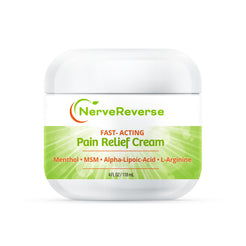
Free Life Labs offers a fast-acting neuropathy pain-relief cream with 4% menthol, designed for targeted comfort when burning, tingling, and painful sensations get in the way of everyday freedom.
What to Look for Beyond the Active Ingredient
The active ingredient matters most, but the whole formula and your skin condition matter too. Neuropathy often affects feet that are already dry, fragile, or prone to cracking. A cream that causes irritation, leaves a heavy residue, or makes you avoid regular use is not a good fit, even if it contains a strong active ingredient.
Look for a formula intended for topical pain relief and follow its label directions closely. A clear label should identify the menthol concentration, list the inactive ingredients, and explain how often it can be used. Avoid products that make vague, sweeping promises to “repair nerves” overnight. Honest symptom support is more valuable than hype.
Scent and texture are personal considerations. Some people appreciate a cooling menthol scent because it reinforces the sensation of relief. Others want something subtler. If you have sensitive skin, review the ingredient list carefully and consider testing a small amount on a limited area of intact skin before applying it more broadly.
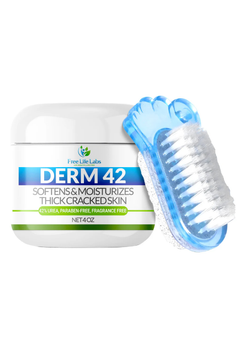
Do not confuse pain relief with intensive skin repair. If your feet are severely dry or cracked, a separate high-urea foot cream may be more appropriate for restoring rough, thickened skin. Use each product for its intended purpose, and ask a healthcare professional how to combine products if you are unsure.
How to Use Neuropathy Cream Safely
A topical pain-relief cream works best when you use it consistently and carefully. Start with clean, dry, unbroken skin. Apply a thin layer to the area where discomfort is strongest, then wash your hands unless your hands are the treatment area. Let the cream absorb before covering the area with socks or clothing.
Use only the amount and frequency listed on the package. More is not always better. Applying too much can irritate the skin or create an uncomfortably intense cooling sensation. Do not apply menthol cream to cuts, ulcers, blisters, infected skin, or open wounds. Keep it away from eyes, mouth, and other sensitive areas, and do not use a heating pad or tight bandage over the treated area unless a clinician tells you to.
A simple routine can make the product easier to remember. Some people apply cream after a shower and again before bed, when symptoms tend to feel most distracting. Others keep it available for relief after walking, standing, or completing household tasks. Notice what changes for you: Does the cream make it easier to wear shoes, settle into bed, or take a walk? Those practical improvements are meaningful.
When Cream Alone Is Not Enough
Topical relief is useful, but neuropathy deserves medical attention when symptoms are new, worsening, or affecting your ability to walk safely. Numbness can reduce your ability to feel an injury, a hot surface, or a stone in your shoe. That is why foot checks are so important, particularly for people living with diabetes.
Contact your clinician promptly if you notice a new sore, redness, swelling, drainage, skin color changes, warmth, fever, or a wound that is not healing. Seek urgent care for sudden weakness, loss of coordination, severe swelling, or rapidly spreading redness. These symptoms need more than a topical cream.
It is also worth asking about the cause of your symptoms. Blood sugar management, nutrition, medication review, physical activity, supportive footwear, and prescription treatment can all be part of a complete plan. Healing properly requires adequate nutrition and regular attention to circulation, skin health, and foot safety.
Pair Relief With Daily Foot Protection
For neuropathy affecting the feet, prevention is one of the most practical forms of support. Check your feet every day, including between the toes and the soles. Use a mirror if bending is difficult, or ask a family member for help. Look for cracks, blisters, pressure marks, redness, or changes you may not be able to feel.
Wear clean, well-fitting socks and shoes that do not rub. Avoid walking barefoot, even at home, because numbness can make minor injuries easy to miss. Keep skin moisturized, but do not put heavy moisturizer between the toes, where excess moisture can contribute to skin problems.
The right cream cannot replace medical care, but it can give you a useful window of comfort - one that helps you sleep more peacefully, move with greater confidence, and stay connected to the routines that make life feel like your own.