Vitamin B1 plays a crucial role in supporting healthy nerve function, energy metabolism, and overall neurological health. A lack of B1 can affect nerve function and may cause sensations such as tingling or numbness.
Are All B1's Created Equal?
Not exactly. There are different forms of Vitamin B1, and how your body absorbs and utilizes them can make a significant difference.
Benfotiamine vs. Thiamine: What’s the Difference?
Thiamine is the standard form of Vitamin B1 found in many foods and basic supplements. However, it has low bioavailability, meaning it’s not easily absorbed into nerve cells—especially where it’s needed most.
Benfotiamine, on the other hand, is a fat-soluble derivative of B1 that has been shown to be far more effective at penetrating nerve and muscle cells. Benfotiamine has been studied for its role in reducing oxidative stress and supporting cellular health.
Which Works Better? Some studies suggest benfotiamine may offer enhanced support for nerve health compared to thiamine, though individual responses vary and more research is needed.
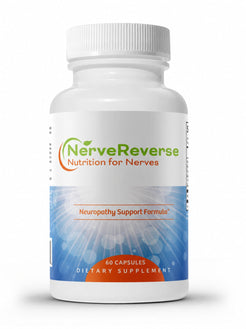
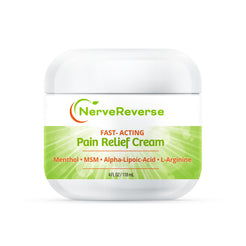
Good News! NerveReverse contains 300 mg of Benfotiamine per day for better absorption and better results!