Menthol Cream Review for Nerve Discomfort
Share
When burning, tingling, or aching feet interrupt sleep, a topical cream can feel like a small but meaningful way to take back control. This menthol cream review looks at what a 4% menthol formula can realistically do for nerve discomfort, how it feels on the skin, and when it may fit into your daily comfort routine.
Menthol cream is not a cure for peripheral neuropathy or the underlying conditions that may contribute to it. It can, however, provide temporary, localized relief that helps many people move more comfortably, rest more easily, and stay on their feet for the parts of life that matter.
What Menthol Cream Does for Nerve Discomfort
Menthol works through a cooling sensation on the skin. When applied to an area that is burning, sore, or unusually sensitive, it activates sensory receptors that signal cold. This can help redirect the nervous system's attention away from discomfort for a period of time.
That effect is often described as a counterirritant. In plain language, the cooling sensation gives your body another signal to focus on. For someone dealing with persistent foot burning or prickling sensations, that change can bring welcome short-term relief.
A 4% menthol cream is a maximum-strength, purpose-built option for people who need more than a lightly scented lotion. The concentration matters because a product with too little menthol may feel pleasant without delivering the noticeable cooling effect many people are seeking. At the same time, more intensity is not automatically better for every person. Sensitive skin, thin skin, cracked skin, and recently irritated areas may need a more cautious approach.
Menthol Cream Review: What the Experience Is Like
The best topical pain-relief cream is one you will actually use consistently. That comes down to more than its active ingredient. Texture, scent, absorption, and the way the cooling sensation develops all affect whether a cream becomes a helpful part of your routine or sits unused in a cabinet.
With a well-made 4% menthol cream, the first thing you should notice is a cooling sensation that develops soon after application. It should feel distinct but manageable, not harsh or alarming. For many people, the sensation is strongest during the first few minutes and then settles into a lasting feeling of relief.
Cream texture matters especially for feet and lower legs. A formula should spread without requiring hard rubbing, which can be uncomfortable when feet are tender or sensitive. It should also absorb well enough that you do not feel greasy when putting on socks, getting into bed, or walking across the floor.
Scent is a personal trade-off. Menthol naturally has a clean, medicinal aroma. Some people associate that scent with relief, while others prefer it to fade quickly. If you are applying cream before work, social plans, or bedtime, a formula that does not leave a heavy lingering odor may be more practical.
The clearest benefit is convenience. Oral medications affect the whole body and may not be appropriate for everyone. A menthol cream is applied directly where discomfort is happening. That makes it a useful at-home support option for isolated areas of nerve discomfort, including the feet, toes, ankles, or lower legs.
Who May Benefit Most
Menthol cream can be particularly useful for adults experiencing occasional or ongoing burning, tingling, aching, or sensitive-feeling skin associated with nerve discomfort. Many people use it in the evening, when symptoms can feel more distracting after a day of standing, walking, or wearing shoes.
It may also fit well for those who want non-prescription support between other parts of their care plan. A topical product does not require swallowing a pill, and it can be reapplied according to its label directions when symptoms return.
Still, the results depend on the cause and pattern of discomfort. Some people feel substantial temporary comfort from cooling topical products. Others may find the sensation only mildly helpful, or may prefer warmth, compression, rest, supportive footwear, or a different approach. A menthol cream is best viewed as one tool, not the entire solution.
If numbness is worsening, pain is severe, balance is changing, or you have new weakness, contact a healthcare professional. These symptoms deserve attention, particularly for people with diabetes, circulation concerns, or a history of foot problems.
How to Use a 4% Menthol Cream Safely
Start with clean, dry, intact skin. Apply a small amount to the area that is bothering you and gently spread it into a thin layer. Wash your hands after application unless your hands are the treatment area. Avoid touching your eyes, mouth, or other sensitive areas until your hands are clean.
Follow the product label for frequency and amount. Applying extra cream is unlikely to create better relief and may increase the chance of skin irritation. Give yourself time to see how your skin responds, especially if you have not used a menthol product before.
Do not apply menthol cream to open wounds, deep cracks, infected skin, or areas with active bleeding unless a healthcare professional has specifically advised it. Menthol pain-relief cream and wound care serve different purposes. Skin that is open or slow to heal needs appropriate evaluation and targeted support, not simply a cooling sensation.
Avoid combining menthol cream with heating pads, hot water bottles, or tight occlusive wraps. Heat can intensify the product's effects and may irritate the skin. Be careful after a hot shower as well, because warm skin can feel more sensitive.
Stop using the product if you develop a rash, marked redness, swelling, blistering, or persistent irritation. If you have diabetes or reduced sensation in your feet, inspect the treated area regularly. Because numbness can make it harder to notice skin changes, a quick visual check is a smart habit.
What Menthol Cream Cannot Replace
A topical cream can make daily discomfort more manageable, but it should not delay care for signs of a serious foot issue. Seek prompt medical attention for a new sore, drainage, spreading redness, warmth, unusual swelling, skin discoloration, fever, or a wound that is not improving.
For chronic nerve symptoms, comfort often improves most when several practical supports work together. Your clinician may recommend checking blood sugar, vitamin status, medication side effects, circulation, footwear, or other contributors. Gentle movement, regular foot checks, supportive shoes, adequate hydration, and nutrition can also matter.
This is where a realistic expectation helps. Menthol does not repair damaged nerves overnight. Its role is to help interrupt the discomfort signal temporarily, giving you a more comfortable window to walk, rest, complete errands, or settle down for sleep.
Choosing a Menthol Cream Worth Keeping on Hand
Look first at the active ingredient and concentration. A clearly labeled 4% menthol formula offers a specific, maximum-strength starting point for temporary topical relief. Then consider whether the formula is made for the type of discomfort you are managing rather than simply marketed as a general lotion.
Ease of use should be part of the decision. A cream that absorbs comfortably and is simple to apply can support regular use, especially when symptoms arrive at inconvenient times. Clear directions, transparent product information, and a strong satisfaction guarantee also matter when you are trying a new product for an ongoing concern.
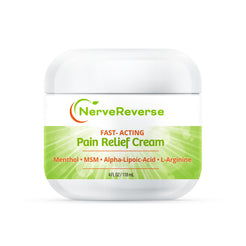
Free Life Labs' 4% menthol cream is designed for fast-acting, localized neuropathy pain relief, with an approach centered on helping people feel more comfortable and confident in their routines. It is an accessible support option, not a substitute for diagnosis or medical treatment when symptoms are changing.
A good menthol cream should earn its place in your routine by making difficult moments easier. If cooling relief helps you take a walk, wear your shoes more comfortably, or get through the night with fewer interruptions, that small measure of comfort can help you get back to living with more freedom.