Hydrogel Versus Antibiotic Ointment for Wounds
Share
A wound that stays dry, cracks open, or refuses to close can make every step feel uncertain. When comparing hydrogel versus antibiotic ointment, the best choice depends less on which product sounds stronger and more on what the wound needs right now: moisture, protection, infection treatment, or medical attention.
For people living with diabetes, neuropathy, reduced circulation, or limited mobility, that distinction matters. A small sore on the foot can change quickly when pain is muted by numbness or when healing is already slow. The goal is not simply to put something on the skin. It is to support the right healing environment while recognizing when at-home care is no longer enough.
Hydrogel Versus Antibiotic Ointment: The Core Difference
Hydrogel wound products are primarily designed to add moisture. They are water-based gels or dressings that can help rehydrate dry wound tissue, soften dead tissue, and create a moist environment that supports the body’s natural healing process. They are often useful for wounds that look dry, have a firm scab or yellowish dead tissue, or cause discomfort when dressings are changed.
Antibiotic ointment has a different job. It is intended to reduce or help prevent bacterial growth in certain minor cuts, scrapes, and burns. Common over-the-counter versions may contain one or more antibiotic ingredients in a petroleum-based ointment. The ointment base can also provide a protective barrier and keep a small superficial wound from drying out.
Neither option is a universal answer. Hydrogel does not treat an active infection, and antibiotic ointment is not automatically appropriate for a slow-healing ulcer, a deep wound, or a wound with drainage. Choosing based on the wound’s condition can help you avoid irritation, excess moisture, and delays in getting needed care.
When Hydrogel May Be the Better Fit
Hydrogel is generally most helpful when a wound is dry or needs moisture to move forward. A clinician may recommend it for dry pressure injuries, certain shallow ulcers, abrasions with dry tissue, or wounds with small amounts of drainage. Because it can feel cool and soothing, hydrogel may also be more comfortable on tender tissue.
A wound needs balanced moisture. If it is too dry, new cells may have a harder time moving across the wound surface. Dry tissue can also cling to a dressing, making removal painful and potentially disrupting fragile new skin. Hydrogel can help keep the wound bed hydrated without aggressively sticking to it.
That said, more moisture is not always better. Hydrogel may be a poor fit for a wound that is already heavily draining, surrounded by soggy white skin, or showing signs of infection. Too much moisture can macerate the skin around the wound, weakening the edges that need to stay intact for healing.
Hydrogel products also need the right secondary dressing and change schedule. The gel may dry out or become contaminated if it is left in place too long. Follow the product directions or, preferably, the instructions from your wound-care clinician.
Dry wounds are not always simple wounds
A dry heel crack, a slow-healing surgical incision, and a diabetic foot ulcer can all look dry, but they do not carry the same risk. A deep heel crack may benefit from intensive skin care around the area, while an open diabetic foot wound should be evaluated promptly. Do not place hydrogel deep into a wound cavity unless a clinician has shown you how and told you it is appropriate.
When Antibiotic Ointment May Make Sense
Antibiotic ointment may be reasonable for a fresh, minor cut, scrape, or small superficial burn after gentle cleaning. In those situations, a thin layer can provide short-term protection while the skin begins to repair. Covering it with a clean, nonstick bandage can help keep dirt and friction away.
Use only a small amount. A thick coating does not make an antibiotic work better, and excessive ointment can trap moisture, make a bandage slide, or irritate surrounding skin. Some people also develop an allergic contact dermatitis from certain antibiotic ingredients. New itching, a red rash, blistering, or worsening irritation after applying an ointment are reasons to stop using it and contact a clinician.
Antibiotic ointment should not be used as a substitute for an infection evaluation. If a wound is increasingly red, warm, swollen, painful, foul-smelling, or draining pus, it may need prescription treatment, debridement, culture testing, or another form of care. Reapplying over-the-counter ointment while symptoms worsen can cost valuable time.
For chronic wounds, clinicians do not always recommend routine topical antibiotics. Overuse can irritate the skin and may contribute to antibiotic resistance. In many cases, proper cleaning, moisture balance, pressure relief, circulation support, and an appropriate dressing matter more than applying an antibiotic every day.
The Wound’s Location Changes the Decision
Wounds on the feet deserve extra caution. If you have peripheral neuropathy, you may not feel a blister, crack, or pressure spot until the skin has already broken down. If you have diabetes or poor circulation, even a small wound can become serious faster than expected.
A foot wound should be assessed by a healthcare professional if it is open, deep, discolored, draining, or not clearly improving. The same applies to wounds after surgery, especially if the incision begins opening, becomes more painful, or develops spreading redness. At-home products can support a care plan, but they cannot replace assessment when the risk is high.
Pressure matters, too. A hydrogel or ointment cannot overcome repeated rubbing from a shoe, pressure from walking, or friction from a dressing that shifts. If a wound is on the sole, heel, toe, or another weight-bearing area, reducing pressure may be one of the most meaningful steps toward healing.
A Practical At-Home Approach for Minor Wounds
For a truly minor wound, start by washing your hands and gently rinsing the area with clean running water or saline. Avoid repeatedly using hydrogen peroxide, rubbing alcohol, or harsh antiseptics unless your clinician specifically directs you to use them. These products can damage healthy cells and slow repair when used routinely.
Pat the surrounding skin dry, then look closely at the wound. Is it shallow and clean? Is it dry with little drainage? Or is it wet, swollen, painful, or producing fluid? That quick check helps guide whether a moisture-supporting product, a simple protective dressing, or a call to your clinician is the wiser next step.
If using antibiotic ointment for a minor scrape, apply a thin layer and cover it with a clean dressing. If using hydrogel under professional guidance, apply it as directed and protect it with the recommended cover dressing. Change dressings whenever they become wet, dirty, loose, or according to your care plan.
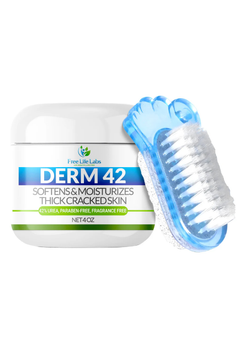
Do not ignore the skin around the wound. Severe dryness and cracking can create new openings for bacteria, especially on the heels and feet. Keeping intact skin moisturized can be part of prevention, but avoid placing strong moisturizers or urea creams directly into an open wound unless your clinician says it is safe. Products such as Free Life Labs Derm 42 are intended for intensive care of dry, cracked skin, not for treating open ulcers.
Signs You Should Call a Clinician Now
Call a healthcare professional promptly for spreading redness, warmth, swelling, worsening pain, pus, odor, fever, red streaks, black or gray tissue, numbness around a new wound, or bleeding that does not stop with steady pressure. Seek urgent care for a deep puncture, an animal or human bite, a wound caused by a dirty object, or a wound exposing fat, tendon, or bone.
People with diabetes, peripheral artery disease, immune suppression, kidney disease, or a history of foot ulcers should have a lower threshold for calling. A wound that has not clearly improved within a few days, or has not healed as expected, deserves professional attention. Healing properly requires adequate nutrition, blood flow, pressure management, and a wound plan matched to your condition.
Choose Support, Not Guesswork
Hydrogel can be valuable when dry tissue needs moisture. Antibiotic ointment can be useful for selected minor skin injuries. But if a wound is chronic, deep, infected, located on a high-risk foot, or simply not improving, the most effective next product may be a phone call to your clinician. Getting the right support early can protect your mobility, comfort, and confidence in the days ahead.
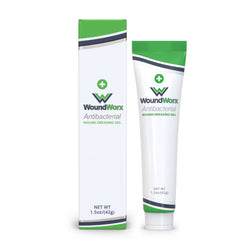
Learn more from Free Life Labs: wound gel vs ointment, WoundWorx wound gel, WoundWorx collection, and when to use wound gel. These resources use supplement-safe, educational language and are not medical advice.