How to Reduce Neuropathy Burning at Home
Share
Burning neuropathy can make the simplest moments feel exhausting: standing at the kitchen counter, settling into bed, or putting on socks. If you are wondering how to reduce neuropathy burning, the most helpful approach is usually not one dramatic fix. It is a consistent routine that calms irritated nerves, protects your feet, and addresses the health issue driving the symptoms.
Neuropathy burning is often linked to diabetes or prediabetes, but it can also occur with vitamin deficiencies, certain medications, alcohol use, chemotherapy, kidney disease, thyroid conditions, injuries, and other causes. The burning, prickling, electric sensations, and numbness may come and go, but they deserve attention. Relief is possible, and protecting your mobility starts with small, practical steps.
How to reduce neuropathy burning with a daily routine
Nerves tend to be more sensitive when the body is tired, inflamed, overheated, stressed, or dealing with uncontrolled blood sugar. A steady daily routine cannot repair every cause of neuropathy, but it can reduce common triggers and make symptoms more manageable.
Start by tracking when the burning is worst. Many people notice symptoms increase in the evening, after being on their feet, after a large meal, or when they are under stress. A few notes on your phone for one or two weeks can reveal patterns worth discussing with your clinician. That information is more useful than trying random remedies without knowing what is aggravating your nerves.
For people with diabetes or prediabetes, blood sugar management is one of the most meaningful long-term steps. High blood sugar can injure small nerve fibers over time, while big swings may make symptoms feel more intense. Follow the eating plan, medication schedule, and monitoring guidance given by your healthcare provider. Even modest, sustainable improvements can support nerve health and overall energy.
Gentle movement also matters. A short walk, chair exercises, light stretching, or water exercise can improve circulation, maintain strength, and reduce the stiffness that often makes foot discomfort feel worse. The right amount depends on your balance, foot condition, and pain level. If walking increases pain, creates new rubbing, or you have an open sore, stop and ask a clinician or podiatrist what movement is safe for you.
Sleep is another treatment tool people often overlook. Nerve symptoms can feel louder at night because there are fewer distractions, but poor sleep also lowers pain tolerance the next day. Keep the bedroom cool, use lightweight breathable sheets, and avoid heavy blankets resting directly on sensitive feet. Some people find a bed cradle or a pillow arrangement that keeps bedding off the toes especially helpful.
Use cooling relief carefully, not extreme cold
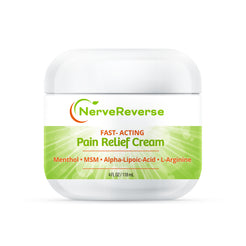
Topical products can provide welcome short-term comfort when burning flares. A menthol cream creates a cooling sensation that may temporarily distract from nerve discomfort without requiring you to take another oral medication. A 4% menthol pain-relief cream can be a practical part of an at-home routine when used exactly as directed on intact skin.
The key is to avoid extremes. Do not apply ice packs directly to feet with reduced sensation, and do not soak them in icy water. Neuropathy can make it hard to judge temperature, which raises the risk of frost injury or burns. The same rule applies to heating pads, hot water bottles, and very hot baths. What feels comfortably warm to someone else may be too hot for a numb foot.
Before using a topical product, inspect the skin. Avoid applying pain-relief creams to open wounds, infected areas, severely cracked skin, or areas that are actively bleeding unless a healthcare professional has specifically advised it. Wash your hands after application and keep products away from eyes and mucous membranes.
Protect the skin that protects your feet
Burning and numbness often occur together. That combination can be risky because you may not feel a blister, pebble in your shoe, or small cut until it becomes a bigger problem. Daily foot care is not cosmetic. It is preventive care that helps protect comfort, mobility, and independence.
Check the tops, soles, heels, and spaces between your toes every day. Use a mirror or ask a family member for help if bending is difficult. Look for redness, swelling, cracks, blisters, calluses, drainage, color changes, or areas that are warmer than the surrounding skin. Choose clean, dry socks with a soft fit, and wear well-fitting shoes even indoors if your provider recommends them. Walking barefoot can expose numb feet to injuries you may not feel.
Dry, thickened heel skin can split and become painful, especially when you are already putting extra pressure on your feet to avoid burning sensations. Moisturizing the heels and soles regularly can improve comfort and help maintain the skin barrier. Use a foot-specific moisturizer as directed, but avoid putting lotion between the toes, where trapped moisture can contribute to skin breakdown.
Do not cut corns or calluses yourself with blades or chemical removers. For anyone with diabetes, poor circulation, reduced sensation, or a history of foot ulcers, seemingly small home treatments can turn into wounds. A podiatrist can safely manage thick skin and help identify shoe or gait problems that are increasing pressure.
Check for causes that need treatment
At-home comfort measures work best alongside a clear medical plan. If burning neuropathy is new, worsening, or interfering with sleep, ask your clinician for an evaluation rather than assuming it is simply part of aging. They may review your medications, blood sugar, vitamin B12 level, thyroid function, kidney health, alcohol intake, and other possible contributors.
Medication-related vitamin B12 deficiency is one example that can be missed. Some common medicines can affect B12 absorption over time, and a deficiency may contribute to numbness and tingling. Supplements are not a substitute for testing or medical care, but correcting a documented deficiency can be an important piece of the plan.
Your clinician may also discuss prescription treatments for nerve pain. These medications can help some people, but the trade-offs matter. Drowsiness, dizziness, swelling, dry mouth, or medication interactions may limit what is right for you, particularly if you are older or already managing several prescriptions. Be candid about your symptoms, sleep, fall risk, and daily responsibilities so the plan fits your real life.
Nutritional support may be useful as part of a broader nerve-health routine, particularly when diet has been inconsistent or nutrient needs are higher. Look for complete formulas with clinically studied ingredients, but keep expectations realistic. Dietary supplements are not a replacement for diagnosing the cause of neuropathy, controlling blood sugar, or treating a wound. Free Life Labs offers symptom-specific supportive products designed to help people pursue greater comfort as part of an at-home care routine.
When burning neuropathy needs urgent attention
Call your healthcare provider promptly if you have a new foot wound, worsening pain, or skin changes. Seek urgent medical care for any of the following:
- A cut, blister, ulcer, drainage, or foul odor from the foot
- Redness, swelling, warmth, or black, blue, or pale skin color changes
- Fever, chills, or feeling unwell along with a foot problem
- Sudden weakness, trouble walking, or rapid loss of sensation
- Burning that becomes severe quickly or follows a new medication, injury, or infection
Burning nerves can make your world feel smaller, especially when every errand or bedtime routine requires planning around discomfort. But a consistent pattern of foot checks, sensible temperature care, gentle movement, better sleep habits, and medical follow-up can help you reclaim more comfortable days - one supported step at a time.