How to Reduce Foot Burning and Move Easier
Share
Burning feet can turn ordinary moments - walking through the grocery store, standing at the sink, getting ready for bed - into something you brace yourself for. Learning how to reduce foot burning starts with separating temporary irritation from ongoing nerve discomfort, then building a routine that protects your skin, calms symptoms, and addresses the cause with your healthcare provider.
For some people, burning comes after a long day in tight shoes. For others, it is a persistent symptom of peripheral neuropathy, diabetes, poor circulation, medication effects, or damaged skin. The right approach depends on what is driving it, but there are practical steps you can take today to get more comfortable and stay on your feet.
Start With Safe, Fast Relief for Burning Feet
When your feet feel hot or burning, resist the urge to use ice directly on the skin. Very cold temperatures can injure skin or worsen numbness, especially if you have diabetes or reduced sensation. Instead, remove shoes and socks, sit down, and elevate your feet for a few minutes if swelling is part of the problem.
A cool - not ice-cold - damp cloth can feel soothing. You can also rinse your feet in lukewarm water, then dry them carefully, including between the toes. Avoid long soaking sessions. They may temporarily feel good, but frequent soaking can dry the skin and raise the chance of cracking.
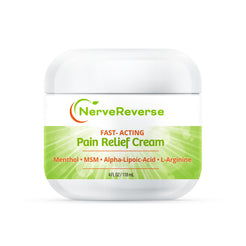
Topical menthol can provide a cooling sensation that helps interrupt the feeling of burning for many people. A 4% menthol pain-relief cream is a practical option for targeted, fast-acting comfort. Apply only to intact skin, use it as directed, and wash your hands afterward. Do not use it on open wounds, irritated areas, or near the eyes.
If burning follows activity, take note of the pattern. Does it begin after standing, after wearing a certain pair of shoes, or mostly at night? Those details can help you make useful changes at home and give your clinician a clearer picture.
Check Shoes, Socks, and Pressure Points
Footwear will not cure nerve-related burning, but pressure, heat, and friction can make sensitive feet feel much worse. Shoes should have enough room in the toe box, supportive cushioning, and a secure fit that does not rub your heel or pinch the sides of your feet.
Before putting shoes on, run your hand inside each one. A folded sock, rough seam, pebble, or worn insole can create a pressure point you may not fully feel if numbness is also present. Choose clean, dry socks that wick moisture and do not have tight bands around the ankle. If your feet swell during the day, try shoes later in the afternoon so you can judge the fit when your feet are at their largest.
It can be tempting to stop moving altogether when your feet burn. Yet long periods of inactivity may increase stiffness and reduce circulation. Gentle, low-impact movement such as short walks, seated ankle circles, or stretching can support comfort when it does not increase pain. The trade-off is simple: move enough to stay mobile, but do not push through worsening burning, skin irritation, or a new wound.
Protect Dry, Cracked Skin Before It Becomes Another Source of Pain
Burning is not always purely a nerve issue. Severe dryness, calluses, heel cracks, athlete's foot, dermatitis, and small skin injuries can all sting or burn. When the skin barrier is damaged, everyday pressure and moisture can become much more uncomfortable.
Inspect your feet every day in good light. Look at the soles, heels, sides, and between the toes. A hand mirror can help if bending is difficult. Watch for cracks, blisters, redness, peeling, drainage, or areas that feel warmer than the surrounding skin.
For thick, dry, cracked heels, a maximum-strength urea cream can soften built-up skin and support a healthier moisture barrier. Derm 42 uses 42% urea for intensive foot skin care. Apply it to dry, callused areas as directed, but keep it away from open cracks, wounds, and between the toes unless a clinician tells you otherwise. Moisturizing consistently is more helpful than applying a large amount once in a while.
Do not cut calluses yourself or use strong chemical corn removers if you have diabetes, neuropathy, circulation concerns, or fragile skin. A podiatrist can safely treat pressure areas and help prevent them from returning.
Consider Whether Nerves Are Involved
Burning that comes with tingling, numbness, pins-and-needles sensations, electric-shock feelings, balance changes, or increased symptoms at night may point to peripheral neuropathy. Diabetes is a common cause, but it is not the only one. Vitamin deficiencies, alcohol use, thyroid conditions, kidney disease, spinal problems, some medications, chemotherapy, and other health conditions can contribute.
This is why symptom relief matters, but a medical evaluation matters too. If burning persists for more than a few days, returns repeatedly, or affects sleep and walking, talk with your primary care clinician, podiatrist, or neurologist. They may review your medical history, medications, blood sugar, circulation, vitamin levels, and nerve function.
For people already managing neuropathy, a complete daily support plan may include blood sugar management when appropriate, foot protection, clinician-directed treatment, and nutritional support. NerveReverse is formulated with 20 clinically studied ingredients to support nerve health and help address numbness, burning, and tingling as part of an at-home routine. Supplements are not a substitute for diagnosing the reason symptoms started, and they should be reviewed with a healthcare professional if you take prescription medications or have a medical condition.
When Foot Burning Needs Prompt Medical Care
Do not wait for a routine appointment if burning is paired with a possible infection, circulation problem, or rapidly changing nerve symptom. Seek prompt medical advice for any of the following:
- A cut, blister, ulcer, or crack that is open, draining, foul-smelling, or not improving
- Redness, swelling, warmth, fever, or red streaks moving up the foot or leg
- A foot that becomes pale, blue, unusually cold, or suddenly very swollen
- Sudden weakness, trouble walking, new loss of bladder or bowel control, or severe back pain with leg symptoms
- Burning pain that becomes intense quickly or follows an injury you cannot fully feel
Build a Routine That Makes Comfort More Predictable
The most useful routine is one you can repeat without much effort. Check your feet in the morning or before bed. Keep them clean and dry, use skin care on intact dry areas, wear shoes that do not create pressure, and make note of symptoms that change. If nighttime burning is your main concern, keep a cool cloth nearby and avoid heavy bedding directly over sensitive feet.
Also look beyond the feet. Staying hydrated, following your care plan for blood sugar or other chronic conditions, eating adequately during recovery, and speaking up about medication side effects can all influence how your body feels. Healing properly requires adequate nutrition, especially when skin is damaged or your body is recovering from illness or surgery.
You do not have to accept burning feet as the price of getting older or staying active. Small protective habits, symptom-specific support, and timely medical guidance can help you feel steadier, more comfortable, and more free to do the things your day asks of you.