How to Apply Urea Cream for Cracked Feet
Share
Deep heel cracks can make every step feel like a reminder that your feet need attention. Learning how to apply urea cream correctly can help soften thick, dry skin, support smoother heels, and make your at-home foot-care routine more effective - especially when dryness has been building for months.
Urea is a naturally occurring substance that helps the skin hold onto moisture. In stronger creams, it also helps break down the hardened, dead skin that often collects on heels, soles, toes, and rough calluses. That combination makes urea cream particularly useful for intensive foot skin care, but strength and technique matter.
How to Apply Urea Cream Safely
Start with clean, completely dry feet. If you have been bathing or showering, gently pat your feet dry, including between the toes. Water left in skin folds can contribute to irritation and, for some people, fungal or bacterial skin problems.
Place a small amount of urea cream on your fingertips and massage it into the areas that are dry, rough, flaky, or cracked. For most people, this means the heels, balls of the feet, outer edges of the soles, and thick patches around the toes. Use enough cream to create a light, even layer, not a heavy coating that sits on top of the skin.
Massage the cream in for 20 to 30 seconds. This is more than a comfort step. Gentle massage helps distribute the formula across uneven, thickened skin and gives you a chance to notice new tenderness, swelling, color changes, or cracks that look deeper than usual.
After applying, wash your hands unless your hands are also being treated. Let the cream absorb before putting on socks, slippers, or shoes. A clean cotton sock can help keep cream off bedding and may help maintain moisture overnight, but it should not feel tight or trap sweat.
Focus on rough skin, not vulnerable skin
High-strength urea creams are made for tough, dry skin. Apply them to calluses and cracked heels, but do not put them into an open cut, actively bleeding crack, blister, ulcer, or surgical incision unless your clinician has specifically told you to do so. Strong urea can sting or irritate broken skin.
Also avoid applying high-strength cream between the toes unless a healthcare professional recommends it. The skin there is naturally more delicate and more likely to stay damp. If you have a history of athlete's foot, skin infection, or excessive sweating, keeping this area clean and dry is especially important.
Choose the Right Urea Strength
Not all urea creams do the same job. Lower concentrations are often used for mild dry skin and daily moisture support. Higher concentrations are intended for more stubborn concerns, such as thick calluses, severely dry heels, and cracking that returns quickly after regular lotion.
A maximum-strength formula, such as 42% urea cream, is designed for intensive care. It can be a practical choice when ordinary lotions leave your heels feeling rough again within hours. The trade-off is that a stronger formula may cause temporary tingling or mild stinging when skin is very dry or has tiny surface fissures.
A brief, mild sensation that fades can happen. Burning that continues, redness that spreads, swelling, rash, or worsening pain are signs to stop using the product and speak with a healthcare professional. More is not better with strong foot creams. Consistent, targeted use is what helps create visible improvement.
When and How Often to Use It
For very dry, thick, or cracked feet, many people begin by applying urea cream once or twice a day, following the product label. Evening is often the easiest time because you are less likely to wash the cream away, and your feet can rest while the formula works.
If your skin is sensitive, begin once daily for several days. This gives you a clear read on how your skin responds. Once roughness improves, you may be able to reduce use to a few times per week for maintenance, depending on the cream's concentration and your skin's needs.
Your routine may need to change with the seasons and your activity level. Sandals, dry indoor heat, long work shifts, and increased walking can all make heel dryness return faster. In those periods, regular use may be more helpful than waiting for painful cracks to come back.
A simple evening routine for dry heels
Wash your feet with lukewarm water and a mild cleanser, then dry them thoroughly. Apply urea cream to the thick, dry areas of the feet, avoiding open or infected skin. Let it absorb, then wear clean, breathable socks if that feels comfortable.
You do not need to aggressively scrub your feet before every application. Over-scrubbing with files, razors, or harsh exfoliants can create small injuries and trigger more irritation. If you choose to use a pumice stone or foot file, use gentle pressure only on intact skin and stop if the area becomes sore, pink, or tender.
Common Mistakes That Keep Cracks Coming Back
The most common mistake is treating a heel crack only when it hurts. By that point, the surrounding skin is often already thick, dry, and less flexible. A small maintenance routine is easier on your feet than repeatedly trying to fix severe cracking.
Another mistake is applying cream and immediately walking barefoot. This can rub product away, collect dirt on softened skin, and increase your chance of slipping on hard floors. Give the cream time to absorb and use supportive footwear or clean socks afterward.
People also sometimes cover painful cracks with a strong cream without checking whether the skin is actually open. A crack that is deep, bleeding, draining, warm, or surrounded by redness needs a different level of care. Moisturizing rough skin is helpful, but it is not a substitute for proper wound evaluation.
Finally, do not share foot creams, files, or pumice stones. This is a simple precaution that can reduce the spread of fungal skin conditions and bacteria within a household.
Extra Care for Diabetes, Neuropathy, and Reduced Sensation
If you have diabetes, peripheral neuropathy, poor circulation, or reduced feeling in your feet, daily visual checks matter. Numbness can make it difficult to notice a cut, a deepening crack, pressure from a shoe, or a developing sore. Use good lighting, a mirror, or ask someone you trust to help inspect the bottoms of your feet.
Call your clinician or podiatrist promptly if you see an open sore, drainage, bleeding that does not stop, black or blue discoloration, increased warmth, swelling, a foul odor, or redness that expands. Seek urgent medical care for fever, rapidly spreading redness, or severe pain. These symptoms can signal infection or a circulation concern that should not be managed with home skin care alone.
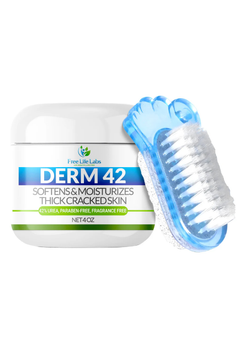
For intact, severely dry foot skin, a purpose-built maximum-strength option such as Free Life Labs Derm 42 can fit into a consistent routine. Its 42% urea concentration is intended to soften stubborn, cracked skin so your feet can feel more comfortable in the shoes and activities that keep you moving.
Healthy foot skin is not about chasing perfect-looking heels. It is about keeping the protective barrier of your feet supple enough to support your daily life. A few careful minutes each day can help you stay more comfortable, more confident, and better prepared for every step ahead.