Vitamins for Numbness in Feet That May Help
Share
When your feet feel numb, every step can become less certain. You may notice it when getting out of bed, climbing stairs, driving, or trying to feel a small pebble in your shoe. Searching for vitamins for numbness in feet makes sense, especially when you want practical support that may help you stay comfortable, mobile, and confident at home.
But numbness is a symptom, not a diagnosis. Some vitamin deficiencies can contribute to nerve problems, and correcting a true deficiency can make a meaningful difference. Other times, numbness is related to diabetes, medication side effects, circulation concerns, a pinched nerve, alcohol use, thyroid disease, or another health condition that requires a different plan. The right approach starts with understanding what may be behind the sensation.
Can Vitamins Help Numbness in Feet?
Vitamins can support healthy nerve function, but they are not a universal cure for numbness. They are most likely to help when testing shows that your body is low in a nutrient needed for nerve health or red blood cell production.
Nerves rely on steady nutrition to send signals between your feet and your brain. When that system is under strain, you may experience tingling, burning, pins-and-needles sensations, reduced feeling, or pain. Replenishing a deficiency may support recovery, but the timing and result depend on the cause, how long symptoms have been present, and whether nerve damage has already occurred.
That is why a blood test and a conversation with your clinician are worthwhile. Taking the wrong vitamin, or taking too much of one, can delay needed care and occasionally make nerve symptoms worse.
Key Vitamins for Numbness in Feet
Vitamin B12
Vitamin B12 is one of the first nutrients clinicians consider when someone has numbness, tingling, balance changes, or weakness. It helps maintain the protective covering around nerves and supports healthy red blood cells. Low B12 can develop gradually, so symptoms may be easy to dismiss at first.
Risk is higher in older adults, people who follow a vegan or mostly plant-based diet, and those with digestive conditions that interfere with absorption. Long-term use of certain acid-reducing medications and metformin may also affect B12 levels for some people.
A B12 supplement may be helpful when a deficiency is confirmed or strongly suspected by a healthcare professional. If absorption is the issue, a clinician may recommend a specific dose, form, or even injections. Do not assume a standard multivitamin will be enough to correct a significant deficiency.
Be sure to use Methylcobalamin and not Cyanocobalamin. Methylcobalamin is the methylated form that your body can use without having to convert it into useable form. This form is preferred over Cyanocobalamin due to it's higher bioavailability. Also, 40-50% of people have gene mutation(MTHFR) that does not allow them to convert cyanocobalamin into useable form.
Vitamin B1
Vitamin B1, also called thiamine, plays a central role in how the body turns food into energy. Nerve cells have high energy needs, which is why severe or prolonged B1 deficiency can contribute to neuropathy symptoms.
Low thiamine is more common with heavy alcohol use, poor nutrition, prolonged vomiting, certain gastrointestinal conditions, and some medical treatments. If your diet has been limited during illness, surgery recovery, or unintentional weight loss, asking about nutritional status is especially reasonable.
A closely related form called benfotiamine is often included in nerve-support formulas because it is fat-soluble and used in research involving nerve health. It can be a useful part of a complete nutritional approach, though it should not replace medical care for progressive numbness.
Folate and Other B Vitamins
Folate, or vitamin B9, supports normal cell function and red blood cell production. A deficiency can contribute to fatigue and neurological symptoms, particularly when combined with low B12. Because folate can improve certain signs of anemia while a B12 problem continues, it is smart to have both levels considered instead of self-treating with folate alone. Be sure to use L-Methylfolate instead of Folate or Folic Acid. 40-50% of people are not able to convert folate or folic acid into useable from due to a gene mutation.
Other B vitamins also help the body use nutrients and support normal nerve function. A complete formula, rather than a single isolated nutrient, may make sense for people whose dietary intake has been inconsistent. Still, more is not always better.
Vitamin B6 deserves special care. While B6 is essential in small amounts, high supplemental doses taken over time can cause or worsen nerve symptoms, including numbness and tingling. Check every supplement label, including energy products and multivitamins, so you are not unknowingly stacking doses.
Vitamin D
Low vitamin D is common and may contribute to muscle weakness, bone discomfort, and worse overall pain perception. Some studies have found an association between low vitamin D and neuropathy symptoms, particularly in people with diabetes. That does not mean vitamin D alone will restore lost sensation, but correcting a documented deficiency may support overall health and comfort.
Your clinician can help determine whether testing is appropriate and recommend a dose based on your results. Higher doses are not automatically more effective and can be unsafe for some people.
Supplements Work Best Alongside the Right Plan
Nutritional support is only one part of protecting nerve health. If diabetes or prediabetes is involved, keeping blood sugar within your clinician's recommended range is one of the most meaningful ways to protect against further nerve injury. Medication reviews, physical activity appropriate for your ability, sleep, hydration, and limiting alcohol can matter too.
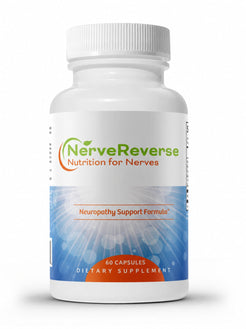
For people seeking daily nutritional nerve support, Free Life Labs NerveReverse is a complete formula with 6 clinically studied ingredients designed to support healthy nerve function and help address the nutritional side of numbness, burning, and tingling. Supplements work best when they fit into a broader routine, not when they are expected to carry the whole burden alone.
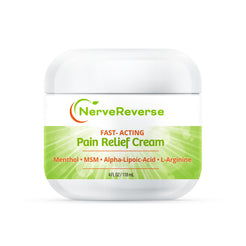
Comfort also matters while you work on the underlying cause. Numb feet can make it harder to notice pressure, friction, cuts, blisters, or hot surfaces. A fast-acting topical pain-relief product may help with painful sensations, but it will not restore feeling or replace a foot exam. Think of symptom relief and nerve support as separate, complementary needs.
Protect Your Feet While You Seek Answers
Reduced sensation increases the chance that a minor problem becomes a major one. Make a habit of checking the tops, soles, heels, and spaces between your toes every day. Use a mirror or ask for help if bending is difficult. Look for redness, swelling, cracks, blisters, drainage, color changes, or a spot that feels unusually warm.
Keep feet clean and dry, wear well-fitting shoes, and avoid walking barefoot indoors or outside. If your skin is very dry or cracked, targeted foot care can help protect the skin barrier, but avoid applying moisturizer between the toes unless your clinician tells you otherwise. That area needs to stay dry to reduce the risk of skin breakdown.
Call a healthcare professional promptly for a new sore, an open crack, redness that spreads, drainage, fever, or a foot that becomes warm, swollen, or discolored. People with diabetes or known circulation problems should take these signs especially seriously.
When Numbness Needs Urgent Medical Care
Do not wait on vitamins or supplements if numbness comes on suddenly, affects one side of the body, or occurs with facial drooping, confusion, severe headache, trouble speaking, loss of balance, chest pain, or shortness of breath. These can be signs of an emergency.
You should also seek prompt evaluation for numbness that is rapidly worsening, comes with new weakness, causes frequent falls, or follows a back injury. Numbness with a new wound, infection signs, or major changes in foot color or temperature deserves timely care as well.
The goal is not simply to quiet an uncomfortable symptom. It is to identify what your nerves and feet need so you can move with greater comfort and protect the independence that matters to you every day.