Diabetic Footwear Guide for Safer Daily Steps
Share
A shoe that feels fine in the morning can become a problem by late afternoon. Swelling, reduced sensation, rubbing at the toe box, or a small pebble you never felt can turn an ordinary errand into a foot injury. This diabetic footwear guide explains what to look for, what to avoid, and when a standard shoe is no longer enough.
For people living with diabetes, footwear is not only about comfort or style. The right pair can help reduce pressure, friction, and skin breakdown while making it easier to stay active with confidence. That matters especially if you have numbness, burning, tingling, calluses, dry cracked skin, a history of ulcers, or changes in your foot shape.
Why diabetic footwear matters
Diabetes can affect circulation, sensation, skin health, and the body’s ability to heal. Peripheral neuropathy may make it harder to notice a blister, hot spot, sharp edge, or seam inside a shoe. At the same time, pressure from a tight toe box or poorly placed stitching can damage skin without causing the warning pain you would normally feel.
A small sore can become serious when it is not found early or does not heal properly. That is why protective footwear is a practical part of daily foot care, alongside checking your feet, managing blood sugar as directed, and getting prompt medical attention for wounds.
Not everyone with diabetes needs prescription diabetic shoes. But many people benefit from better-fitting, more protective everyday footwear. If you have lost sensation, foot deformities, prior ulcers, poor circulation, or an amputation history, speak with your podiatrist or diabetes care team about therapeutic shoes and custom inserts.
Diabetic footwear guide: the features that count
The best diabetic shoe is one that fits your foot now, not the foot size you wore ten years ago. Feet can change with age, swelling, weight changes, surgery, and diabetes-related complications. A professional fitting is worthwhile, particularly if you have neuropathy or regularly develop calluses.
A wide, deep toe box
Your toes need room to lie naturally without pressing against the front or sides of the shoe. Look for a rounded or square-shaped toe box rather than a narrow, pointed one. There should be about a thumb’s width between your longest toe and the end of the shoe when standing.
Depth matters too. A deeper shoe helps prevent the top of your toes from rubbing against the upper material and leaves space for an accommodative insole. If you have hammertoes, bunions, corns, or swelling, extra depth can make a meaningful difference.
Smooth interiors with minimal seams
Inspect the inside of every shoe with your hand before wearing it. Feel for rough seams, ridges, loose lining, staples, or areas where the insole has curled. A smooth interior lowers the chance of repeated friction against delicate skin.
Socks matter here as well. Choose clean, dry socks with smooth toes and no tight elastic bands. Moisture-wicking materials can help keep feet drier, which may reduce rubbing and soften less skin over the course of the day.
Cushioning that does not create pressure
Cushioning should absorb shock and spread pressure across a larger area, especially under the ball of the foot and heel. A removable insole is useful because it can be replaced with a more supportive or custom option if your clinician recommends one.
More padding is not always better. A very soft shoe may feel pleasant at first but can become unstable or allow the foot to shift around. The goal is cushioned, supportive, and secure - not loose or spongy.
A stable sole and secure fit
A firm heel counter, the part that cups the back of your heel, helps hold the foot in place. A sole with steady traction can reduce slipping, while a rocker-style sole may be helpful for some people who need to reduce pressure through the forefoot. This depends on your gait and foot condition, so it is worth discussing with a foot specialist before making a major change.
Laces, adjustable straps, or hook-and-loop closures generally offer a better fit than shoes that simply slip on. Your heel should not slide up and down as you walk. If bending to tie shoes is difficult, adjustable closures can still provide support without sacrificing convenience.
How to tell if a shoe fits safely
Try shoes on later in the day, when feet are more likely to be swollen. Wear the socks you normally use, and try on both shoes. One foot is often slightly larger than the other, so fit the larger foot.
Walk on a firm surface in the store or at home before removing tags. Your toes should not hit the front. The sides should not pinch. The heel should feel held in place. Do not count on a tight shoe stretching into comfort. Breaking in a shoe can be reasonable, but pain, rubbing, numbness, or a pressure mark are signals to stop wearing it.
After wearing a new pair for an hour or two, remove your shoes and socks and inspect your feet. Look at the heels, soles, sides, tops of toes, and between toes. Redness that does not fade, blisters, indentations, or raw areas suggest the shoe is creating too much pressure.
Shoes and habits to avoid
High heels, pointed-toe shoes, flip-flops, thin-soled sandals, and worn-out slippers can leave feet exposed or concentrate pressure in the wrong places. Bare feet are risky too, even indoors. A dropped utensil, splinter, hot pavement, or unnoticed object can cause an injury before you realize it.
Avoid wearing the same pair every day if it stays damp from sweat or rain. Let shoes dry fully between uses. Replace shoes when the tread is worn, the sole is uneven, the lining is torn, or the shoe no longer holds your foot securely.
It is also wise to avoid using heating pads, hot water bottles, or direct heat on numb feet. Reduced sensation can make burns happen quickly. If your feet are cold, use warm socks and ask your clinician whether circulation may be a factor.
When diabetic shoes or custom inserts may help
Medically prescribed diabetic shoes are designed to reduce pressure and protect feet at higher risk. They may be paired with custom-molded inserts or accommodative orthotics. These options are often considered when a person has neuropathy with calluses, foot deformity, previous ulcers, poor circulation, or other documented diabetes-related foot risks.
Custom devices are not automatically superior for every person. They need to be fitted correctly, checked regularly, and worn consistently. A clinician may also recommend changes in activity, wound care, physical therapy, or treatment for circulation issues depending on what is driving your symptoms.
If you have Medicare or other insurance, coverage rules may apply to therapeutic shoes and inserts. Your prescribing clinician and shoe provider can help determine eligibility. Do not delay care while sorting out coverage if you notice a wound or a new area of redness.
Pair footwear with daily skin and foot care
Protective shoes work best when the skin inside them is cared for. Check your feet every day, including between the toes and the soles. Use a mirror or ask someone you trust for help if bending is difficult. Clean and dry your feet thoroughly, then moisturize dry skin while keeping lotion out from between the toes.
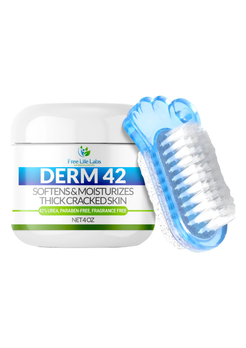
Severe dryness and cracking can create openings for infection, especially around the heels. A maximum-strength urea cream, such as Free Life Labs Derm 42, may help soften thick, dry heel skin when used as directed. Do not apply strong exfoliating products to open wounds, irritated skin, or areas your clinician has told you to protect.
Calluses deserve attention because they can indicate repeated pressure. Do not cut them yourself with blades or use harsh corn removers unless your clinician specifically directs you to do so. A podiatrist can safely assess the cause and recommend footwear or inserts that address the pressure underneath.
Get medical help quickly for warning signs
Contact your healthcare provider or podiatrist promptly if you notice a blister, cut, crack, drainage, swelling, warmth, new redness, blackened skin, unusual odor, or a wound that is not improving. Seek urgent care for fever, spreading redness, severe swelling, or signs of infection. With diabetes, waiting for a foot problem to become painful is not a safe strategy because neuropathy may hide pain.
The right shoes should make daily movement feel more secure, not more complicated. Choose protection over fashion pressure, check your feet often, and let a podiatrist guide you when your feet show signs that they need more than an off-the-shelf shoe.