Daily Habits for Wound Prevention That Protect Feet
Share
A small blister, a split in dry heel skin, or a cut you barely feel can become a much bigger problem when circulation is reduced or nerve sensation has changed. That is why daily habits for wound prevention are not about being overly cautious. They are a practical way to protect your comfort, mobility, and independence.
For people living with diabetes, peripheral neuropathy, swelling, limited mobility, or a history of slow-healing wounds, prevention needs to be part of the normal rhythm of the day. The best routine is one you can repeat without much effort: look, clean, moisturize, protect, and respond early when something changes.
Start with a daily foot check
Your feet work hard, but they are also easy to overlook. If numbness, tingling, burning, or reduced sensation makes it harder to feel a pebble in your shoe or notice a developing blister, a visual check becomes your first line of defense.
Choose a consistent time, such as after bathing or before bed. Look at the tops and bottoms of both feet, between the toes, around the heels, and along the sides. A hand mirror can help you see the soles, or a family member or caregiver can assist if bending is difficult.
You are looking for changes, not perfection. New redness, swelling, warmth, cracks, peeling skin, calluses, blisters, cuts, drainage, or a darkened area all deserve attention. Compare one foot with the other. A spot that looks or feels different from yesterday is often more meaningful than a spot that simply looks dry.
Do not ignore an injury because it does not hurt. Neuropathy can reduce pain signals, which means a wound may progress quietly. Catching a problem when it is small gives you and your clinician more options and can help keep you on your feet.
Keep skin clean, dry, and comfortably moisturized
Clean skin is better able to handle daily friction and pressure. Wash your feet with warm, not hot, water and mild soap. Test water temperature with your hand or elbow first if your feet have reduced sensation. Hot water can burn skin without you realizing it.
Pat carefully dry afterward, especially between the toes. Moisture trapped between toes can soften the skin and encourage fungal problems. The goal is not to dry out your feet completely. It is to keep the spaces between toes dry while supporting the skin barrier everywhere else.
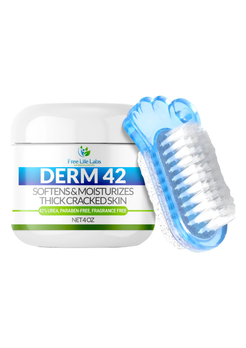
Dry, cracked heels and thick callused areas create openings where irritation and infection can begin. Apply a rich foot moisturizer to heels, soles, and other dry areas daily, but avoid putting cream between the toes. A maximum-strength urea cream, such as Derm 42 from Free Life Labs, may help soften very dry, rough, cracked skin when used as directed. If you have an open wound, signs of infection, or a foot ulcer, ask your healthcare professional what topical care is appropriate before applying products to the area.
Avoid trying to shave down calluses or cut away dead skin yourself. Blades, corn removers, and strong medicated pads can injure fragile skin. A podiatrist can safely manage thick calluses and identify pressure patterns that may keep them coming back.
Make shoes part of your wound-prevention routine
Many foot wounds begin with repeated pressure or rubbing, not one dramatic injury. Shoes that are too tight, too loose, worn out, or poorly shaped can create friction every time you walk. The trouble is that neuropathy may prevent you from feeling the warning signs.
Before putting on shoes, run your hand inside each one. Check for a folded sock, loose insole, rough seam, small stone, or anything else that could press against your skin. Wear clean, dry socks that fit without bunching. Socks with smooth seams and moisture-wicking fabric may be especially helpful if your feet sweat or swell.
Choose shoes with enough room across the toes, a secure heel, and a stable sole. Break in new shoes gradually rather than wearing them all day on the first outing. If you have foot deformities, a prior ulcer, significant numbness, or circulation problems, ask a podiatrist whether prescription shoes, inserts, or other offloading support may reduce your risk.
Going barefoot is risky when sensation is limited, even at home. Slippers or supportive indoor shoes can protect against splinters, stubbed toes, dropped objects, and unnoticed cuts. This may feel like a small adjustment, but it protects the skin during the moments when people are least likely to be watching where they step.
Support circulation without overdoing it
Movement helps support circulation, strength, balance, and everyday function. It can also reduce the stiffness that makes foot care harder. The right activity depends on your health, mobility, wound history, and clinician's guidance.
For some people, a daily walk in well-fitting shoes is an excellent habit. For others, seated ankle circles, gentle calf raises, or brief movement breaks throughout the day may be safer and more realistic. If you sit for long periods, change position regularly and avoid crossing your legs for extended stretches when possible.
Exercise should not mean pushing through a developing foot problem. Stop and inspect your feet if you feel rubbing, new pressure, unusual warmth, or a change in balance. If an area becomes red or tender after activity and does not settle, it may be a sign that your footwear or activity level needs adjustment.
Smoking cessation and blood sugar management also matter because both can affect circulation and healing. These are not quick fixes, and they can take support. Still, each step that improves blood flow or helps keep glucose in your target range supports the body's ability to repair itself.
Give healing the nutrition it needs
Skin needs more than topical care to stay resilient. Healing properly requires adequate nutrition, particularly enough protein, fluids, vitamins, and minerals. Appetite changes, recovery after surgery, nausea, dental problems, restrictive diets, and GLP-1 medications can make it harder to meet those needs.
Try to include a protein source at regular meals, such as eggs, Greek yogurt, fish, poultry, beans, tofu, or lean meat. Pair protein with colorful fruits and vegetables, whole grains or other carbohydrate sources that work with your eating plan, and enough fluids for your medical needs. If you have kidney disease, heart failure, diabetes, or another condition that affects your diet or fluid intake, follow the plan set by your healthcare team.
A supplement may be useful in some recovery situations, but it should complement food and professional guidance rather than replace them. Ask your doctor, dietitian, or wound-care clinician about nutrition support if you are losing weight unintentionally, eating very little, or recovering from a wound or procedure.
Know when a small change needs prompt care
Daily habits for wound prevention work best when they include a clear response plan. Do not wait for a sore to become severe before asking for help. Contact your healthcare professional promptly for a new open area, drainage, increasing redness, swelling, warmth, odor, worsening pain, or skin that turns dark, blue, or black.
Seek urgent medical care for fever, red streaks, rapidly spreading redness, confusion, severe swelling, or signs of a serious infection. People with diabetes, poor circulation, or a past foot ulcer should be especially cautious. The right timeline depends on your health history, but when you are unsure, earlier evaluation is generally the safer choice.
Your routine does not have to be complicated to make a difference. Keep a mirror near the bathroom, place moisturizer where you will see it, inspect your shoes before every wear, and make foot checks as automatic as brushing your teeth. Those few minutes are an investment in staying comfortable, active, and free to move through your day with greater confidence.