Can Urea Soften Calluses? What Your Feet Need
Share
A callus can make every step feel like you are walking on a small stone. The thick, hardened skin may seem harmless at first, but it can become painful, crack, catch on socks, and make it harder to stay active. So, can urea soften calluses? Yes. Urea is one of the most effective topical ingredients for softening thick, dry foot skin when it is used consistently and at the right strength.
Urea does more than sit on the surface of the skin. It helps draw in moisture while loosening the compacted dead skin cells that make a callus feel hard and rough. For people dealing with dry heels, calluses on the ball of the foot, or thick skin around the toes, that combination can make a meaningful difference in comfort and mobility.
How Urea Softens Calluses
Calluses form when your skin responds to repeated pressure or friction. Shoes that rub, changes in gait, long hours standing, foot deformities, and reduced cushioning under the foot can all contribute. The body builds extra layers of keratin, the protein found in the outer layer of skin, as protection.
The problem is that this protection can become excessive. Thickened skin is less flexible, more likely to split, and sometimes painful under pressure. A urea cream works in two useful ways. At lower concentrations, urea acts mainly as a humectant, helping the skin hold onto water. At higher concentrations, it also works as a keratolytic, meaning it helps break down and loosen thickened dead skin.
That is why urea is especially helpful for calluses that have become dry, dense, or stubborn. Rather than aggressively scraping the skin away, it gradually makes the callus softer and easier for the body to shed naturally.
What Urea Strength Is Best for Calluses?
The percentage of urea matters. A light moisturizer may help everyday dryness, but it may not be enough for a thick heel callus or skin that has been building up for months.
Creams with about 10% to 20% urea are often useful for maintaining softer skin and preventing mild dryness from getting worse. For more noticeable roughness and callus buildup, a higher concentration - commonly 20% to 40% - is generally more effective.
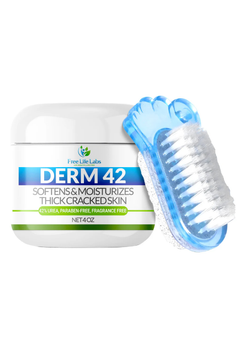
Maximum-strength formulas above 40% urea are designed for intensive areas of thick, dry skin, including cracked heels and stubborn calluses. A 42% urea cream, such as Derm 42 from Free Life Labs, is made for this type of targeted foot care. A higher percentage is not necessarily something to apply everywhere on the body. It is best reserved for the areas that truly need extra help.
Results depend on the thickness of the callus, how often pressure is repeated, and how regularly you use the cream. A newer, mild callus may feel softer within several days. A deeply built-up callus may require consistent daily care for a few weeks.
How to Use Urea Cream on Callused Feet
The most effective routine is simple and gentle. Apply urea cream to clean, completely dry feet, paying close attention to the heel, ball of the foot, outer edge of the big toe, or any other thickened area. Massaging it in thoroughly helps the cream stay where it is needed.
For intensive callus care, many people use it once or twice daily, following the product directions. Applying it at night can be particularly helpful because your feet are not immediately exposed to the friction of walking and shoes. Clean cotton socks can help keep the cream in place overnight, but avoid tight socks that create more pressure.
Do not expect a single application to erase a callus. The goal is to make the skin more supple over time, reduce rough buildup, and help prevent painful cracking. Once the area improves, you may be able to reduce how often you use a high-strength formula and switch to regular maintenance.
After bathing, the skin may be softer and more receptive to moisturizing. If you choose to use a pumice stone or foot file, do so very gently and only on intact skin. Never forcefully scrub, cut, shave, or peel a callus. Removing too much skin can create a break in the skin barrier and raise the risk of infection.
Urea Helps, but Pressure Still Matters
A urea cream treats the thick, dry skin, but it cannot remove the cause of a callus on its own. If the same spot receives repeated pressure every day, the callus may keep returning.
Take a look at the shoes you wear most often. Footwear with a narrow toe box, worn-down soles, hard insoles, or a seam that rubs can contribute to recurring buildup. Properly fitted shoes, supportive inserts, and cushioned socks may reduce pressure and help your foot-care routine work better.
A callus under the ball of the foot can also be related to how weight moves through the foot while walking. If one area repeatedly becomes painful or thickened, a podiatrist can assess whether an orthotic, padding, or footwear change could help. This is not just about smoother-looking feet. Reducing pressure can help you stay comfortable enough to walk, exercise, work, and enjoy daily life.
Callus, Corn, Wart, or Something Else?
Not every hard spot on the foot should be treated the same way. Calluses are usually broad areas of thickened skin, often on weight-bearing parts of the foot. Corns tend to be smaller, more concentrated, and may have a hard center that causes sharp pain when pressed.
Plantar warts can also look like thickened skin, but they are caused by a virus. They may have tiny dark dots, interrupt normal skin lines, and hurt more when squeezed from the sides. A urea cream may soften the skin around a wart, but it does not treat the virus itself.
If you are unsure what you are dealing with, or if the spot is getting bigger, bleeding, changing color, or causing significant pain, have it checked by a healthcare professional. Accurate identification prevents you from treating the wrong problem at home.
When You Should Not Treat a Callus at Home
At-home urea care can be appropriate for many people with intact, dry, thickened skin. However, extra caution is essential if you have diabetes, peripheral neuropathy, poor circulation, a history of foot ulcers, or reduced ability to feel pain in your feet.
Numbness can make it difficult to recognize a blister, cut, pressure injury, or early infection. What looks like a routine callus can sometimes be covering damaged skin underneath. If you have diabetes or neuropathy, it is wise to have recurring calluses evaluated by a podiatrist or clinician before using strong exfoliating products or filing the area yourself.
Do not apply high-strength urea cream to an open wound, a bleeding crack, an ulcer, skin that is hot or swollen, or an area with drainage. Redness spreading beyond the callus, worsening pain, a foul odor, fever, or blackened skin need prompt medical attention. Healing properly requires adequate nutrition, healthy circulation, and protection from continued pressure - not just a topical cream.
Keeping Feet Softer Between Treatments
Once a callus has softened, a little routine care can help protect your progress. Wash and dry your feet daily, moisturize regularly, and inspect the soles, heels, and spaces between toes. Use a mirror or ask for help if bending is difficult.
Avoid walking barefoot on rough surfaces, especially if you have reduced sensation. Replace shoes that have uneven wear, and do not ignore a recurring hot spot. Your feet carry you through the errands, family time, work, and movement that make up a full life. Giving persistent calluses steady, gentle attention can help keep discomfort from limiting where you go next.