Warning Signs of Wound Infection You Should Act On
Share
A wound does not have to look dramatic to need medical attention. A small cut on the foot, a surgical incision, or a blister that will not close can become a much bigger problem when infection takes hold. Knowing the warning signs of wound infection helps you act early, protect your mobility, and give your body the best chance to heal properly.
This matters even more if you have diabetes, poor circulation, neuropathy, reduced sensation in your feet, or a condition that affects immune function. Pain may not be a reliable signal when nerves are damaged. A wound can worsen quietly, which is why a consistent daily check is one of the most practical habits you can build.
What Normal Wound Healing Can Look Like
Most minor wounds go through a predictable healing process. In the first day or two, mild tenderness, slight swelling, and a small amount of clear or pale pink drainage can be normal. The area may look pink or red near the wound edges as new tissue forms.
What you want to see over time is progress: less drainage, less soreness, shrinking wound edges, and healthy new skin or tissue. Healing is not always perfectly linear, especially after surgery or with a larger wound, but it should not steadily become more painful, red, swollen, or wet.
A wound that stalls deserves attention, too. If it has not improved after several days, keeps reopening, or has not healed within the timeframe your clinician gave you, contact the office that is managing your care.
Warning Signs of Wound Infection
An infection occurs when germs multiply in or around a break in the skin. The body responds with inflammation, but the response can become harmful when it spreads or interferes with healing. Watch for changes in the wound itself and changes in how you feel overall.
Redness That Spreads Instead of Settles
Some redness immediately around a fresh wound can be expected. The concern is redness that expands beyond the edges, becomes increasingly intense, or develops red streaks moving away from the wound. Skin that feels hot to the touch may also signal growing inflammation or infection.
If you had surgery, compare the incision with how it looked the day before. A new area of spreading redness, particularly with increasing tenderness or drainage, is a reason to call your surgical team promptly.
Increasing Swelling, Warmth, or Pain
Swelling should gradually improve, not build day after day. A wound that becomes more swollen, firm, hot, throbbing, or painful may be infected. New pain after a period of improvement also matters.
For people with peripheral neuropathy, the absence of pain does not rule out trouble. You may notice pressure, fullness, drainage in your sock, a new odor, or one foot looking different from the other instead. Check with your eyes and hands, not sensation alone.
Pus, Cloudy Drainage, or a New Odor
Clear drainage can occur early in healing. Thick drainage that is yellow, green, gray, brown, cloudy, or foul-smelling is not something to ignore. Pus may collect under the skin or soak through a dressing more quickly than before.
A new unpleasant odor is particularly important in foot wounds, ulcers, and wounds beneath skin folds where moisture can build up. Do not simply cover the smell with cream, powder, or fragrance. The cause needs to be evaluated.
Wound Edges That Open or Look Unhealthy
Healthy healing tissue is often moist and pink to red. Call a clinician if the wound edges pull apart, the wound becomes deeper, or you see black, gray, or dead-looking tissue. A wound that appears pale, unusually dry, or has a darkening area around it may also have a blood-flow problem.
Do not cut away tissue, probe the wound, or try to remove material from a deep wound at home. These steps can cause more injury or push bacteria deeper into the tissue.
Fever or Feeling Sick
A wound infection can affect your entire body. Fever, chills, unusual fatigue, body aches, nausea, confusion, or feeling generally unwell can be signs that infection is becoming more serious. These symptoms may be mild in older adults or people with diabetes, so trust a noticeable change from your normal baseline.
When to Call a Clinician and When to Seek Urgent Care
Call your doctor, podiatrist, surgeon, wound clinic, or urgent care provider the same day if you notice spreading redness, worsening swelling, pus, odor, increasing pain, a wound that is opening, or healing that has stopped. If you have diabetes or reduced sensation in your feet, contact your clinician early rather than waiting for a wound to become painful.
Seek urgent medical care right away for fever with a worsening wound, red streaks, rapidly spreading redness, black or gray tissue, severe swelling, uncontrolled bleeding, confusion, fainting, or trouble breathing. A deep puncture, animal or human bite, burn, or wound with an object still embedded also needs prompt professional guidance.
If a surgical incision is involved, follow your surgeon's instructions first. They know the type of closure used, the expected recovery timeline, and whether photos or an in-person exam are needed.
Daily Wound Checks That Help You Catch Changes Early
A simple routine can prevent small changes from being missed. Wash your hands before and after touching a wound or changing a dressing. In good light, look at the wound and the surrounding skin once a day, or as directed by your clinician. Notice its size, color, drainage, odor, and how the skin feels nearby.
If you are checking a foot, use a mirror or ask a trusted family member or caregiver to help you see the sole, heel, and spaces between the toes. Take a dated photo for your own comparison if your clinician has not advised against it. Small visual changes are easier to spot when you can compare them over time.
Keep the wound covered or uncovered only as your clinician recommends. Clean it with the method you were given, use a fresh dressing when needed, and protect it from rubbing, pressure, and moisture. For a foot wound, avoid walking barefoot and choose footwear that does not press against the area.
Common Mistakes That Can Delay Healing
The urge to fix a wound quickly can lead to choices that irritate healthy tissue. Repeatedly using hydrogen peroxide, rubbing alcohol, or harsh antiseptics may damage new cells and slow healing unless a clinician specifically tells you to use them. So can soaking a wound in a bath, hot tub, or pool before it has closed and been cleared for water exposure.
Avoid picking at scabs, squeezing drainage, or applying leftover antibiotics, steroid creams, or home remedies without guidance. Not every wound needs the same treatment. A dry, cracked heel, a surgical incision, and a diabetic foot ulcer each have different risks and care needs.
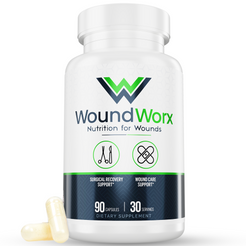
Nutrition also plays a real role. Healing properly requires adequate nutrition, including enough calories, protein, fluids, and key vitamins and minerals. Appetite can drop after surgery, illness, or while taking certain medications, making recovery harder than it needs to be. Supportive nutrition can help fill gaps, but it does not treat an infection or replace medical wound care.
Extra Caution for Diabetic Foot Wounds and Neuropathy
Diabetes, neuropathy, circulation problems, and foot deformities can turn a small pressure spot into a hard-to-heal wound. Because numbness can hide pain, inspect your feet every day - including the bottoms, heels, and toes. Look for blisters, cracks, calluses, discoloration, drainage, or areas that are warmer than surrounding skin.
Do not try to trim a callus or treat a suspected ulcer yourself. Pressure relief, professional assessment, and early treatment can make an enormous difference. Intensive foot skin care can help maintain the skin barrier when used as directed, but do not apply creams into an open wound unless your clinician says it is appropriate.
A wound deserves respect, not fear. Notice changes early, get qualified help when something does not look right, and follow the care plan you are given. Those practical steps can help protect your comfort, confidence, and ability to stay on your feet.