Nerve Pain: What It Means and What Can Help
Share
A bedsheet brushing against your feet can feel unbearable. A short walk can bring burning, stabbing, or electric sensations. Or your feet may feel numb enough that you cannot tell when a shoe is rubbing a sore spot. Nerve pain is more than an inconvenience. It can change how confidently you move through your day, how well you sleep, and how safe your feet are.
The good news is that nerve discomfort is not something you have to simply accept. Understanding the pattern, protecting vulnerable areas, and building the right support plan can help you stay more comfortable and active.
What nerve pain can feel like
Nerve pain, also called neuropathic pain, happens when nerves are irritated, injured, compressed, or not functioning as they should. Unlike the aching pain of a sore muscle or arthritic joint, it often has a distinct quality. People commonly describe burning, tingling, pins-and-needles, buzzing, shooting pain, or sudden electric-shock sensations.
Numbness can be just as significant, even when it does not hurt. When feeling is reduced in the feet, a blister, cut, pressure point, or hot surface may go unnoticed. That is why numbness and pain both deserve attention, especially for people with diabetes, circulation concerns, or a history of slow-healing wounds.
Symptoms often begin in the toes and feet, then may gradually move upward. Some people notice symptoms most at night, while others feel discomfort after standing, walking, or sitting in one position for too long. The details matter. Keeping track of what you feel, where it occurs, and what seems to worsen or relieve it can give your healthcare provider useful clues.
Common causes of nerve pain
Peripheral neuropathy is one of the most common reasons for ongoing nerve symptoms in the feet and legs. Diabetes is a leading cause, particularly when blood sugar has been difficult to manage over time. But diabetes is not the only possible explanation.
Nerves can also be affected by vitamin deficiencies, thyroid conditions, alcohol use, certain medications, autoimmune conditions, infections, kidney disease, injury, and pressure on a nerve. Sciatica, for example, can cause pain, tingling, or numbness that travels from the lower back through the buttock and down the leg. Carpal tunnel syndrome affects the wrist and hand rather than the feet.
Sometimes the cause is not immediately clear. That can be frustrating, but it is still worth pursuing an evaluation. The right treatment depends on what is driving the symptoms. A supplement, topical comfort measure, physical therapy, medication, blood sugar management, or treatment for an underlying condition may each have a role. There is no one-size-fits-all answer.
Why early attention matters
Ignoring nerve symptoms can lead to a cycle that limits everyday life. Pain can reduce activity. Less activity can affect balance, strength, sleep, mood, and circulation. Numbness can make it easier to miss skin damage until it becomes a larger problem.
Early attention does not mean assuming the worst. It means giving yourself a better chance to protect mobility and address manageable problems before they interfere with your independence.
When to call a healthcare professional
Make an appointment if burning, tingling, numbness, or shooting pain is new, persistent, worsening, or affecting sleep and daily activities. Bring a list of medications and supplements, as well as notes about when symptoms started and whether they affect one side or both sides.
Seek prompt medical care for sudden weakness, loss of bladder or bowel control, numbness around the groin, trouble speaking, facial drooping, severe sudden headache, or symptoms that begin after a major injury. These may signal conditions that need urgent evaluation.
For people with diabetes or reduced sensation in the feet, a new blister, crack, cut, redness, swelling, drainage, warmth, or darkened skin should not be brushed off. A wound that is not improving can become serious quickly. Daily foot checks are a practical habit, not an overreaction.
Practical ways to manage nerve discomfort at home
At-home support cannot replace diagnosis or medical care, but small daily choices can make a meaningful difference. Start by reducing avoidable irritation. Choose roomy, supportive shoes with a smooth interior, and avoid walking barefoot indoors or outside if your feet are numb. Check shoes before putting them on for pebbles, rough seams, or folded inserts that could create pressure.
Gentle movement can also help, provided it is safe for you. Short walks, chair exercises, light stretching, and balance work may support circulation, strength, and confidence. The goal is not to push through severe pain. It is to keep your body moving within a level your clinician has cleared.
Skin care matters because dry, cracked skin creates another opening for discomfort and injury. Wash and dry feet carefully, including between the toes. Use a targeted moisturizing cream on dry areas, but do not apply heavy moisturizer between toes where excess moisture can contribute to skin breakdown. If you cannot comfortably see the bottoms of your feet, use a mirror or ask someone you trust to help with checks.
Sleep can be another challenge. Loose, soft bedding may be more comfortable than tight sheets if touch sensitivity is a problem. Some people find that a cool room, a regular bedtime routine, and limiting alcohol in the evening reduces symptom flare-ups. Results vary, but consistent routines make it easier to see what helps.
Options for symptom support
Your clinician may recommend treating the underlying cause, using prescription medication, correcting a nutritional deficiency, or working with a specialist. For certain people, physical therapy or targeted treatment for a compressed nerve can be appropriate. If diabetes is involved, a plan for blood sugar management is central to protecting nerves over the long term.
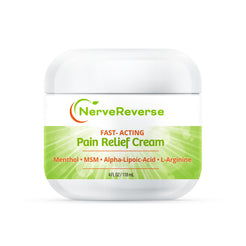
For temporary, localized discomfort, topical products can be a useful part of an at-home routine. Menthol creates a cooling sensation that may help distract from pain signals for some people. A maximum-strength 4% menthol cream, such as Free Life Labs' fast-acting neuropathy pain-relief cream, is designed for targeted application to areas of discomfort. Use topical products only as directed, avoid broken skin unless the label specifically says otherwise, and wash hands after application.
Nutritional support may also fit into a broader plan, particularly when a clinician identifies a dietary gap or recommends specific nutrients. Be cautious with the idea that more is always better. Some vitamins and supplements can interact with medications or be inappropriate at high doses. Bring every product you use to your next appointment, including over-the-counter remedies.
Protect your feet when sensation is reduced
Reduced feeling calls for a more deliberate foot routine. Take a minute every day to inspect the tops, soles, heels, and spaces between toes. Look for changes in color, swelling, cracked skin, calluses, rubbing, or drainage. Feel for unusual warmth with the back of your hand if you can safely do so.
Avoid heating pads, hot water bottles, and very hot foot baths on numb areas. Without normal sensation, it is easier to burn the skin without realizing it. Test bath water with your hand or elbow first, or ask for help if your hands are numb as well.
Do not try to cut corns or calluses yourself with blades or chemical removers, particularly if you have diabetes, circulation problems, or a history of ulcers. A podiatrist can help you manage pressure areas safely and recommend footwear or inserts when needed.
A better goal than simply pushing through
Living with nerve symptoms can make even ordinary plans feel uncertain. The goal is not to pretend discomfort is insignificant or to rely on one quick fix. It is to create enough relief, protection, and clinical support that you can keep participating in the life you value.
Start with one useful step this week: check your feet tonight, write down your symptoms, replace shoes that rub, or schedule the appointment you have been putting off. Small actions taken consistently can help you stay on your feet with greater comfort and confidence.
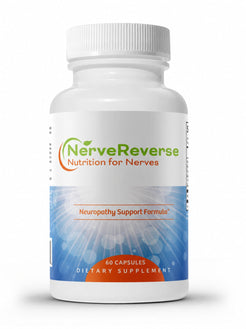
Learn more from Free Life Labs: alpha-lipoic acid for nerve nutritional support, NerveReverse Neuropathy Support Formula, NerveReverse pain cream, and NerveReverse collection. These resources use supplement-safe, educational language and are not medical advice.