Menthol Cream Versus Capsaicin for Nerve Pain
Share
Burning feet at bedtime, prickling sensations during a walk, or pain from socks brushing against your skin can make even simple routines feel exhausting. When comparing menthol cream versus capsaicin, the better choice often comes down to the kind of relief you need right now, how sensitive your skin is, and whether you can tolerate a warming sensation before it gets better.
Both are non-prescription topical options that may help manage localized discomfort. They work differently, feel very different on the skin, and require different expectations. Understanding those differences can help you choose a product that supports comfort without adding another frustrating step to your day.
Menthol Cream Versus Capsaicin: The Core Difference
Menthol creates a cooling sensation on the skin. It activates receptors involved in sensing cold, which can help distract from pain signals and provide a fast, refreshing feeling over the area where it is applied. For people dealing with burning, aching, tingling, or sore feet and legs, that cool sensation can feel especially welcome.
Capsaicin is the naturally occurring compound that gives chili peppers their heat. In a cream or patch, it creates warmth and sometimes noticeable burning or stinging at first. With repeated use, capsaicin can reduce the activity of certain pain-signaling nerve fibers in the treated area. That means its benefits may build gradually rather than being obvious after the first application.
Neither option repairs nerve damage or replaces treatment for the underlying cause of neuropathy. But topical relief can be a practical part of an at-home comfort routine, particularly when discomfort interferes with sleep, movement, or confidence on your feet.
When Menthol May Be the Better Fit
Menthol is often the more comfortable starting point for people who want quick, easy-to-tolerate topical support. The cooling effect is usually felt shortly after application, which makes it useful for moments when burning or soreness flares and you want relief without waiting days for a product to build up.
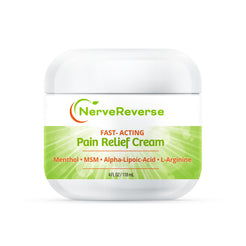
A 4% menthol cream offers a meaningful cooling concentration while remaining simple to use. Free Life Labs' fast-acting neuropathy pain-relief cream is formulated around 4% menthol to help calm localized nerve discomfort with a cooling sensation. For many people, this is especially appealing in the evening, after being on their feet, or when foot discomfort makes it harder to settle into sleep.
Menthol may be a strong choice if you prefer cooling over heat, have had unpleasant experiences with capsaicin burning, or need relief you can assess right away. It may also fit more naturally into daily routines because you do not have to push through an initial uncomfortable sensation to find out whether it helps.
That said, fast relief is not always long-lasting relief. The sensation can fade, and you may need to reapply according to the product directions. Results also vary based on the cause and severity of discomfort.
When Capsaicin May Be Worth Trying
Capsaicin can be helpful for some people with persistent, localized nerve pain who are willing to use it consistently. Rather than cooling the surface of the skin, it works through repeated contact with the nerve endings involved in pain signaling. This makes it a different type of topical strategy than menthol.
The trade-off is the warm or burning feeling that can occur after applying it. For some people, that sensation is mild and manageable. For others, especially those with sensitive skin or significant burning pain already, it can be too uncomfortable to continue. A product that you cannot use consistently is unlikely to provide the benefit you hoped for.
Capsaicin usually requires patience. Some people may need regular use over several weeks before they can judge whether it is helping. It is not typically the best fit when you need immediate comfort before bed, before leaving the house, or during a sudden flare.
Capsaicin also demands careful handwashing. Even a small amount transferred to the eyes, mouth, nose, or other sensitive areas can cause intense irritation. If you use it on your feet, wash your hands thoroughly after application and avoid touching your face until you do.
Cooling Relief or Warming Relief?
The sensation you prefer is more than a matter of taste. It can determine whether you will actually use the product as directed.
If your symptoms feel hot, burning, irritated, or restless, menthol's cooling effect may offer a more intuitive form of comfort. Many people describe nerve discomfort as heat, buzzing, pins-and-needles, or a burning feeling beneath the skin. A cooling cream can give them a practical way to interrupt that cycle and get back to resting, walking, or wearing shoes more comfortably.
If your discomfort feels more like deep aching and you do not mind warmth, capsaicin may be an option to discuss with your healthcare professional. Its gradual approach can suit people who want to test a consistent, longer-term topical routine.
You do not need to use both at once. Combining products can increase skin irritation and makes it difficult to know what is helping or causing a reaction. Start with one product, follow its label carefully, and give your skin time to respond.
Safety Matters More When You Have Neuropathy
Reduced sensation can make topical products more complicated. If your feet are numb, you may not fully feel burning, irritation, or a developing skin reaction. This is especially relevant for people with diabetes, poor circulation, a history of foot ulcers, or wounds that are slow to heal.
Do not apply menthol or capsaicin cream to open wounds, cracked areas that are bleeding, infected skin, surgical incisions, or skin that is severely irritated unless your clinician has specifically told you to do so. Topical pain relievers are not wound-care products, and damaged skin may absorb ingredients differently or react more strongly.
Before using a new cream broadly, try a small amount on a limited area of intact skin. Stop using it if you develop a rash, swelling, blisters, severe burning, or increasing pain. Seek medical care promptly for signs of infection, such as spreading redness, warmth, drainage, fever, or a wound that is not improving.
Avoid heating pads, hot baths, tight bandages, and other sources of added heat over a freshly treated area. This is particularly critical with capsaicin, since heat can intensify the burning sensation. Keep both products away from the eyes and mucous membranes, and wash your hands after applying either one.
How to Choose a Topical Cream for Daily Life
A useful topical product should fit your symptoms and your routine. Consider when discomfort is worst, whether heat or cooling feels better, and how quickly you need support. If your feet burn at night, a cooling menthol cream may be easier to reach for than a product that can initially make the area feel hotter.
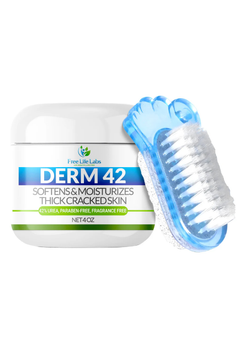
Also consider the health of your skin. Dry, callused, or cracked feet need attention beyond pain relief. A targeted foot moisturizer may help support the skin barrier, while wounds or persistent breaks in the skin deserve guidance from a podiatrist, physician, or wound-care professional. Treating pain while overlooking damaged skin can leave a bigger problem unaddressed.
For ongoing numbness, tingling, or burning, bring the full picture to your clinician. Nerve symptoms can be related to diabetes, vitamin deficiencies, medication effects, circulation concerns, spinal issues, and other conditions. A topical cream may help you function more comfortably, but new symptoms, worsening symptoms, balance problems, or changes in skin color should not be managed with cream alone.
Give Yourself a Comfortable Next Step
The choice between menthol and capsaicin is not about finding one universal winner. Menthol can provide fast, cooling comfort when burning and tingling disrupt your day. Capsaicin may help some people over time, but it asks more of your skin and your patience.
Choose the option you can use safely and consistently, protect the skin on your feet, and pay attention to changes rather than pushing through them. Small, dependable steps toward comfort can make it easier to stay mobile, sleep better, and keep doing the everyday things that help you feel like yourself.