How to Manage Nerve Sensitivity and Move Easier
Share
A burning sensation when the sheets touch your feet. Pins-and-needles that show up during a short walk. Numbness that makes it hard to trust your footing on the stairs. These symptoms can make ordinary routines feel uncertain. Learning how to manage nerve sensitivity starts with a practical goal: reduce daily triggers, protect areas with less sensation, and get medical guidance when symptoms change.
Nerve sensitivity can feel different from person to person. For some, it is sharp pain or burning. For others, it is tingling, buzzing, electric-shock sensations, numbness, or an uncomfortable reaction to light touch. It may be related to peripheral neuropathy, diabetes, an injury, surgery, medication effects, vitamin deficiencies, circulation concerns, or another health condition. The right plan depends on the cause, which is why persistent symptoms deserve a conversation with your healthcare provider.
Start by noticing your pattern
Symptoms often have a pattern, even when they seem unpredictable. Keep a simple note for one or two weeks: when discomfort appears, where you feel it, what you were doing before it started, and what helped. Notice whether symptoms are worse at night, after sitting for a long time, during activity, after alcohol, or when your feet are hot or cold.
This information can help you and your provider identify useful next steps. It also makes it easier to separate a temporary flare from a meaningful change. If your discomfort is steadily worsening, spreading, affecting your balance, or interfering with sleep, do not simply push through it.
Manage nerve sensitivity with a daily routine
A consistent routine will not solve every source of nerve discomfort, but it can reduce avoidable irritation and help you feel more in control. Small actions repeated every day often matter more than one ambitious change that is hard to maintain.
Protect numb or tender feet
When sensation is reduced, a small blister, cut, pressure spot, or crack can go unnoticed. Check the tops, soles, heels, and spaces between your toes every day. A hand mirror can make this easier, or ask a family member for help if bending is difficult.
Choose clean, dry socks that do not bunch around the toes. Wear supportive, properly fitted shoes indoors as well as outdoors if you have numbness or balance concerns. Going barefoot can feel freeing, but it raises the risk of stepping on something sharp or burning your skin on hot surfaces without realizing it.
Avoid heating pads, hot water bottles, and very hot foot soaks on areas with reduced sensation. What feels comfortably warm to another person may cause a burn before you notice it. Test bath water with your hand or elbow, or use a thermometer if needed.
Reduce pressure and friction
Nerves can become more reactive when tissues are repeatedly compressed or irritated. Look at the practical details: shoes that pinch, socks with tight seams, a chair edge pressing behind the knees, or a sleeping position that puts direct pressure on a painful foot or leg.
If nighttime sensitivity is a problem, lightweight bedding may be more comfortable than heavy blankets. Some people use a bed cradle to lift sheets away from sensitive feet. During the day, change positions regularly rather than remaining seated or standing in one position for long stretches.
Keep movement gentle and regular
Movement supports circulation, joint mobility, muscle strength, and confidence with everyday activity. It does not need to mean a demanding workout. A short walk, chair exercises, gentle stretching, water exercise, or a few minutes of balance practice may be more realistic and more sustainable.
Start below the level that causes a major flare. If a 20-minute walk leaves your feet burning for hours, try five or 10 minutes and build gradually. The goal is not to prove toughness. The goal is to keep your body moving without adding unnecessary stress.
Balance changes, new weakness, or frequent falls need professional evaluation. A physical therapist can be especially helpful when nerve symptoms have made you less steady or less active.
Support the conditions around nerve health
Nerve discomfort is rarely improved by one habit alone. The best results often come from supporting the health factors that can influence symptoms and recovery.
If you have diabetes or prediabetes, keeping blood sugar within the range recommended by your care team is one of the most meaningful steps you can take for long-term nerve and foot health. Consistent meals, medication adherence, routine monitoring, and follow-up appointments all matter. If blood sugar is frequently outside your target range, ask for help adjusting your plan rather than blaming yourself.
Nutrition also plays a role. Nerves and the tissues around them need adequate protein, vitamins, minerals, and overall calories to support normal function and recovery. Restrictive diets, poor appetite after surgery, digestive conditions, and heavy alcohol use can all affect nutritional status. Your provider may recommend blood work to check for concerns such as vitamin B12 deficiency.
Sleep deserves attention too. Pain and poor sleep can reinforce each other: discomfort makes it harder to rest, and exhaustion can make pain feel harder to tolerate. Keep your bedroom cool, limit late-day caffeine if it affects you, and create a predictable wind-down routine. If burning or tingling repeatedly wakes you, bring that detail to your medical appointment. It may influence your treatment plan.
Choose symptom relief carefully
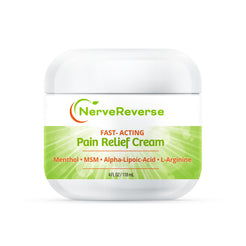
Fast-acting comfort measures can be useful, particularly when discomfort interrupts walking, errands, or rest. A topical product formulated for temporary nerve pain relief may help calm sensations in a specific area without adding another oral medication to your routine. For example, a 4% menthol cream can provide a cooling counter-sensation for temporary relief of minor aches and nerve-related discomfort when used as directed.
Topicals are not the same as treating the underlying cause, and they are not right for broken, infected, or severely irritated skin unless a clinician tells you otherwise. Read the label, wash your hands after application, avoid your eyes and mucous membranes, and stop use if you develop a rash or strong irritation.
Dietary supplements may also be part of a supportive routine for some adults, but they should be chosen thoughtfully. Look for transparent formulas and clinically studied ingredients, and review them with your pharmacist or healthcare provider if you take prescription medications, have kidney or liver disease, are pregnant, or are preparing for surgery. A complete formula can complement healthy habits, but it should never replace evaluation of worsening symptoms.
Do not overlook skin care
Dry, cracked feet are more than a cosmetic problem when you have numbness, diabetes, reduced circulation, or a history of wounds. Cracks can create an opening for infection, especially when healing is slow. After washing, dry your feet carefully, including between the toes, and moisturize dry skin on the heels and soles.
A high-urea foot cream can help soften thick, rough, severely dry skin. Keep moisturizer out from between the toes, where excess moisture can contribute to skin breakdown. Do not cut corns or calluses yourself, and do not use strong over-the-counter corn removers on numb feet. A podiatrist can safely address pressure areas and recommend footwear or inserts that fit your needs.
When nerve symptoms need prompt medical care
Call your healthcare provider promptly for a new wound, blister, crack that is deep or not improving, redness, warmth, swelling, drainage, or a foul odor from your foot. These signs can indicate infection or tissue damage that needs timely care.
Seek urgent medical attention for sudden weakness, facial drooping, trouble speaking, severe new back pain with loss of bladder or bowel control, a cold or pale limb, or rapidly spreading numbness. These symptoms are not typical issues to manage at home.
Persistent numbness, burning, or tingling is worth addressing even when it is not an emergency. Earlier evaluation can identify treatable contributors and help protect your mobility before discomfort starts limiting the life you want to live.
Comfort often returns in steps: a safer walk around the block, a better night of sleep, fewer worries about your feet, and more confidence saying yes to everyday plans. Give your routine time, stay alert to changes, and let your healthcare team help you protect the freedom that matters most.
Learn more from Free Life Labs: ALA for nerve support, NerveReverse capsules, NerveReverse topical cream, and NerveReverse collection. These resources use supplement-safe, educational language and are not medical advice.