How to Manage Nerve Flare-Ups More Comfortably
Share
A nerve flare-up can turn an ordinary afternoon into a day spent guarding every step. Burning feet at bedtime, sudden electric-shock sensations, tingling that will not settle, or numbness that makes you feel unsteady can all disrupt sleep, mobility, and confidence. Learning how to manage nerve flare-ups starts with a simple goal: reduce what is aggravating your nerves, soothe symptoms safely, and know when the change deserves medical attention.
Nerve discomfort is not always predictable, and no at-home routine can replace care for the condition behind it. But practical, consistent support can make a real difference in how a flare-up affects your day.
Start by recognizing your flare-up pattern
A flare-up is a noticeable increase in symptoms such as burning, pins-and-needles, sharp pain, sensitivity to touch, cramping, or numbness. For some people, it lasts an hour. For others, symptoms build over several days. The cause may be peripheral neuropathy, diabetes, a back problem, medication effects, an injury, chemotherapy, or another health condition.
The pattern matters because it can reveal useful clues. Ask yourself what changed in the day or two before symptoms increased. Did you spend more time standing? Skip meals? Wear tighter shoes? Have poor sleep? Feel stressed, sick, dehydrated, or less active than usual? Blood sugar changes can also contribute to nerve symptoms for people with diabetes.
Keep a brief note in your phone or on paper. Record the time symptoms began, where you felt them, the sensation, its severity, what you were doing, and what helped. You are not trying to solve every flare-up alone. You are gathering information you can use to make smarter adjustments and share with your healthcare provider.
How to manage nerve flare-ups in the moment
When symptoms spike, the instinct may be to push through. That can be reasonable for mild discomfort, but forcing yourself through intense pain or walking when your feet are numb can increase your risk of a fall or skin injury. Give yourself permission to pause.
First, reduce pressure and friction. Sit down, loosen tight socks or shoes, and change position. If one part of your body has been compressed for a while, gentle repositioning may help. Avoid crossing your legs for extended periods if that worsens symptoms, and use supportive footwear rather than walking barefoot, especially if you have reduced feeling in your feet.
A cool, quiet setting can help when burning or sensitivity feels overwhelming. Some people find a cool pack wrapped in a thin towel soothing for short periods. Others find cold uncomfortable or notice that it makes symptoms worse. Never apply ice directly to skin, and do not use extreme heat or cold on areas with numbness because you may not feel a burn or skin injury developing.
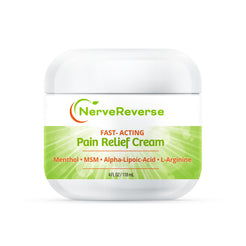
Topical comfort can also be useful for localized nerve discomfort. A 4% menthol pain-relief cream, such as Free Life Labs' fast-acting neuropathy cream, can create a cooling sensation that helps temporarily soothe minor aches and nerve-related discomfort. Follow the package directions, avoid broken or irritated skin, and wash your hands afterward. Topical relief is not a cure for neuropathy, but it can be a practical part of a flare-up plan.
Slow breathing is another useful tool, particularly when pain causes your body to tense up. Try breathing in gently for four counts and out for six counts for a few minutes. This will not erase the source of nerve pain, but it can lower the stress response that often makes discomfort feel louder and harder to manage.
Protect your feet when numbness or burning is involved
Your feet need extra attention during a nerve flare-up because pain and numbness can exist at the same time. You may feel burning sensations while also missing a blister, small cut, pressure spot, or object inside your shoe.
Check both feet every day, including the soles, heels, and spaces between your toes. Use a mirror or ask someone you trust for help if bending is difficult. Look for redness, swelling, cracks, blisters, drainage, discoloration, or areas that feel unusually warm. Choose clean, dry socks and shoes with enough room in the toe box. Inspect the inside of shoes before putting them on.
Skin that is dry and cracked is more vulnerable to injury. Moisturizing regularly can support the skin barrier, especially on heels and other rough areas. Do not put moisturizer between toes, where excess moisture can contribute to skin problems. If you have diabetes, poor circulation, or a history of foot wounds, ask your clinician which foot-care routine is right for you.
Address common triggers without overcorrecting
You may not be able to prevent every flare-up, but a few steady habits can reduce avoidable aggravation. The key is consistency, not perfection.
Sleep is often one of the first things to suffer when nerves are active at night. A predictable wind-down routine, a comfortable room temperature, and soft, loose bedding can help. If sheets brushing your feet triggers pain, a bed cradle or a light blanket arranged to avoid direct pressure may be worth trying.
Movement is another area where balance matters. Too much activity too quickly can worsen symptoms, while complete inactivity can increase stiffness, disrupt sleep, and weaken the muscles that support safe movement. Choose gentle, clinician-approved activity that matches your current ability, such as short walks in supportive shoes, seated exercises, or stretching that does not reproduce sharp pain. Increase gradually, not all at once.
Nutrition and hydration are also part of nerve support. Regular meals can help people who are managing blood sugar, while adequate protein, vitamins, and fluids support overall recovery and tissue health. Avoid starting high-dose vitamin supplements without professional guidance. Certain nutrients can be helpful when there is a documented need, but excessive amounts of some supplements, including vitamin B6, may actually contribute to nerve problems.
Alcohol can worsen neuropathy symptoms for some people and may interfere with blood sugar control, sleep, and medications. If you notice a connection, reducing or avoiding it is a worthwhile conversation to have with your clinician.
Review your treatment plan with your healthcare provider
Recurring flare-ups are worth discussing, even if they eventually settle. Your healthcare provider can help identify whether symptoms are related to diabetes, circulation, vitamin deficiency, medication side effects, spinal issues, or another cause. They may check your feet, review medications, order blood work, or recommend physical therapy and prescription treatment when appropriate.
Bring your symptom notes to the appointment. Specific details are more useful than saying, “My feet hurt sometimes.” Explain whether symptoms are worse at night, whether they affect one side or both, whether you are losing balance, and whether walking or resting changes the sensation.
Do not stop prescribed medication suddenly because of a flare-up unless a clinician tells you to do so. If you think a medication is making symptoms worse, contact the prescriber or pharmacist for guidance.
Know when a nerve flare-up needs urgent care
Nerve symptoms are often chronic, but a sudden or severe change can signal something that needs prompt evaluation. Seek urgent medical care for any of the following:
- New weakness, facial drooping, trouble speaking, severe dizziness, or sudden loss of coordination
- Sudden numbness on one side of the body, especially with a severe headache or vision changes
- A foot wound, spreading redness, drainage, fever, black or blue skin, or rapidly increasing swelling
- Severe back pain with new loss of bladder or bowel control, or numbness in the groin area
Build a plan before the next flare-up
The best time to decide what helps is not when pain is at its strongest. Put together a simple personal plan: supportive shoes by the door, a safe topical option in your medicine cabinet, a reminder to inspect your feet, and a short list of positions or calming routines that bring relief. Keep your provider's number accessible if symptoms change.
Nerve flare-ups can make life feel smaller for a while, but they do not have to define every choice you make. Small, protective actions taken consistently can help you stay more comfortable, move with greater confidence, and keep doing the everyday things that make life feel like yours.
Learn more from Free Life Labs: benfotiamine vs thiamine, NerveReverse pain cream, NerveReverse formula, and NerveReverse collection. These resources use supplement-safe, educational language and are not medical advice.