A Guide to Chronic Wound Support at Home
Share
A wound that has lingered for weeks can make every step feel uncertain. This guide to chronic wound support is designed to help you protect the area, follow your care plan with confidence, and recognize when your health care team needs to step in. At-home support matters, but it works best alongside professional wound care - not in place of it.
Chronic wounds can include diabetic foot ulcers, venous leg ulcers, pressure injuries, and wounds that have not healed as expected after surgery. They may be caused or complicated by poor circulation, diabetes, neuropathy, swelling, pressure, limited mobility, infection, or nutritional gaps. The right approach depends on the type of wound, where it is located, and your overall health.
Start With a Clear Wound-Care Plan
If a wound has not improved within a few weeks, keeps reopening, or is getting larger, it deserves a clinical evaluation. A podiatrist, wound-care specialist, primary care provider, or surgeon can identify issues that are hard to see at home, such as reduced blood flow, infection, excess pressure, or dead tissue that needs professional treatment.
Ask your provider to explain your plan in plain language. You should know how often to change the dressing, what cleanser to use, whether you need compression or offloading, how much activity is safe, and what changes require a call. Write these instructions down, especially if more than one person helps with care.
A wound dressing is not one-size-fits-all. Some wounds need moisture management, while others need protection from friction or absorption for drainage. Using the wrong product, changing it too often, or allowing it to stay on too long can interfere with healing. Follow the dressing schedule your clinician recommends rather than relying on a general rule from the internet.
Daily Chronic Wound Support That Protects Healing
Consistency is one of the most useful things you can bring to recovery. A simple routine reduces the chance that wound care becomes rushed, forgotten, or overly aggressive.
Wash your hands before and after touching the dressing or skin around the wound. Use only the cleanser your health care team has approved. Unless specifically instructed otherwise, avoid putting hydrogen peroxide, rubbing alcohol, or harsh antiseptics into an open wound. These products may damage healthy new tissue and delay progress.
When you change a dressing, pay attention to what you see. A small amount of drainage may be expected, depending on the wound. What matters is the trend: Is drainage increasing? Has the color or odor changed? Is the skin around the wound becoming more red, swollen, tender, or warm? A quick daily note can help you spot a change early and give your provider useful details.
Keep the surrounding skin clean and protected. Drainage, tape, swelling, and dryness can weaken the skin at the edges of a wound. For feet, inspect the tops, soles, heels, and spaces between the toes every day. If numbness makes it hard to feel a blister, crack, or rubbed area, a visual check becomes even more valuable.
Do not soak an open wound in a bath, hot tub, or pool unless your clinician says it is safe. Soaking can soften skin too much and increase exposure to bacteria. Showers may be appropriate, but follow the specific guidance you have been given.
Reduce Pressure Before It Causes More Damage
Pressure is a major reason wounds on the feet, heels, and lower legs fail to improve. If you have neuropathy, you may not feel the rubbing, heat, or pain that would normally tell you to stop. That is why protecting the area is not optional - it is part of treatment.
For a foot wound, your provider may recommend a surgical shoe, walking boot, custom insert, or another offloading device. It can be inconvenient, especially when you want to stay active, but continuing to walk on a wound without protection can keep it open. The trade-off is real: reduced mobility in the short term may help preserve mobility in the long term.
For heel or pressure injuries, change positions frequently and keep direct pressure off the affected area. If you spend long periods in bed or a chair, ask your clinician about a turning schedule and support surfaces. Do not use donut-shaped cushions unless a professional specifically recommends one, because they can concentrate pressure around the wound.
Choose shoes that fit well, have room for dressings, and do not rub. Never walk barefoot when you have reduced sensation or an open wound, even indoors. A small unnoticed injury can become a much bigger problem.
Nutrition Supports the Work Your Body Is Doing
Healing properly requires adequate nutrition. Your body needs calories, protein, fluids, vitamins, and minerals to build tissue, support immune function, and manage the physical demands of recovery. Appetite can fall after surgery or during illness, but skipping meals can leave your body short on the resources it needs.
Aim to include protein throughout the day from foods such as eggs, fish, poultry, Greek yogurt, beans, tofu, or lean meats. Pair protein with colorful fruits and vegetables, whole grains, and healthy fats when they fit your medical plan. If chewing, shopping, or cooking is difficult, easier options such as yogurt, soups with added protein, or ready-to-drink nutrition shakes may help.
Hydration also matters, particularly when a wound produces drainage. But there is no universal fluid target. People with heart failure, kidney disease, or fluid restrictions should follow the guidance of their prescribing clinician. The same is true for protein: higher protein intake can be useful for many people with wounds, but kidney disease may require a more individualized plan.
If diabetes is part of your health picture, steady blood sugar management is one of the strongest forms of wound support. High blood sugar can impair circulation and immune function, while also making infection harder to control. Take medications as prescribed, keep recommended appointments, and ask for help if your glucose readings have been running higher than usual.
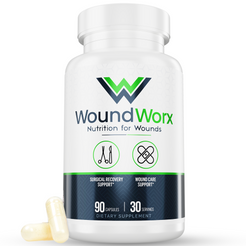
A purpose-built nutritional formula may be a convenient addition for people who struggle to meet recovery-focused nutrition needs through food alone. Products such as Free Life Labs WoundWorx are intended to support a complete at-home recovery routine, but a supplement does not replace prescribed wound treatment, diabetes care, or a balanced diet.
Support Circulation, Comfort, and Skin Integrity
Movement can support circulation, mood, and strength, but the right amount depends on where the wound is and whether you have been told to limit weight-bearing. A leg ulcer associated with vein problems may benefit from clinician-directed compression and walking. A plantar foot ulcer may require strict offloading. Ask what movement is helpful for your specific wound before increasing activity.
If your provider has prescribed compression stockings or wraps, use them exactly as directed. Compression can help control swelling and support venous circulation, but it is not appropriate for everyone. Significant arterial disease, severe pain, or a cold, pale foot requires medical assessment before compression is used.
Dry, cracked skin creates openings where bacteria can enter, especially around heels and callused areas. Moisturize intact skin regularly, but do not apply thick creams between the toes or directly into an open wound unless your clinician has instructed you to do so. For severe heel dryness, a maximum-strength urea cream can soften thick, cracked skin on intact areas, helping reduce future skin breakdown.
Avoid cutting corns, calluses, or thick nails yourself when you have diabetes, neuropathy, poor circulation, or a history of foot ulcers. A podiatrist can treat these concerns safely and identify pressure points before they become wounds.
Know When to Call Your Health Care Team
Do not wait for a routine appointment if the wound suddenly looks worse. Contact your clinician promptly for increasing redness, warmth, swelling, pain, drainage, odor, bleeding that does not stop with gentle pressure, black tissue, a new blister, or skin color changes around the wound.
Seek urgent medical care for fever, chills, confusion, rapidly spreading redness, red streaks, severe weakness, or a foot that becomes cold, blue, pale, or suddenly very painful. People with neuropathy may have a serious infection without much pain, so visual changes and feeling unwell matter.
Take a photo only if your care team has asked you to track progress this way, and use the same lighting and distance each time. A photo can show trends, but it should never delay a call when you are concerned.
Make the Routine Easier to Keep
Wound care is often a long process, and it can be frustrating when progress feels slow. Set up a clean, well-lit space with your approved supplies in one place. Choose a consistent time for inspection and dressing care. If reaching your feet is difficult, ask a family member, caregiver, or home health professional for help rather than trying to manage it unsafely.
Each small protective choice counts: wearing the offloading device, eating enough protein, checking your skin, taking diabetes medications, and speaking up when something changes. Healing may not move in a straight line, but steady support gives your body the best chance to get you back on your feet and back to the everyday life you value.