A Diabetic Ulcer Case: What Healing Requires
Share
A spot of blood on a sock, a wet area in a shoe, or a callus that suddenly looks darker can be the first sign of a diabetic ulcer case. Because diabetes and neuropathy can reduce sensation, a wound may not hurt even when it is becoming serious. Fast attention protects more than skin. It can protect your mobility, independence, and confidence in daily life.
A foot ulcer should not be managed like an ordinary cut. Home care has a place, but it works alongside prompt medical evaluation, not instead of it. The goal is to identify the cause, control pressure and infection risk, support the body’s healing needs, and prevent a small opening from becoming a much larger problem.
Why a Diabetic Ulcer Case Needs Prompt Care
Diabetes can affect healing from several directions at once. High blood sugar may impair immune function and circulation. Peripheral neuropathy can cause numbness, burning, or tingling that makes it harder to notice rubbing, heat, injury, or a foreign object in a shoe. Reduced circulation can limit the oxygen and nutrients that reach damaged tissue.
Pressure is often the ongoing problem. A callus may build beneath the ball of the foot, a toe, or the heel. Under that thickened skin, repeated pressure can damage tissue until the area breaks down. Continuing to walk on the spot may keep reopening the wound, even when the surface appears to be improving.
This is why early clinical assessment matters. A podiatrist, wound-care clinician, or other qualified healthcare professional can assess wound depth, circulation, infection risk, pressure points, and whether bone or deeper tissue may be involved. Treatment may include debridement, appropriate dressings, offloading footwear or a boot, blood sugar management, imaging, or medication when clinically indicated.
Do Not Wait for Pain
Pain can be a warning signal, but its absence is not reassurance for someone with diabetic neuropathy. Check the feet every day, including the soles, heels, spaces between toes, and areas around thick calluses. A hand mirror or help from a family member can make this easier.
Contact a healthcare professional promptly for a new open area, drainage, blister, darkened skin, increasing redness, swelling, warmth, odor, or a callus with blood beneath it. Seek urgent care for fever, chills, spreading redness, black or blue tissue, red streaking, sudden swelling, or feeling generally unwell. These signs can point to an infection or circulation problem that needs immediate treatment.
The First Priorities After an Ulcer Is Found
The right plan depends on the wound’s location, depth, drainage, circulation, blood sugar levels, and whether infection is present. Still, most successful care plans focus on the same practical priorities.
First, keep pressure off the affected area exactly as directed. This is called offloading, and it is often one of the most important parts of healing. It may mean a specialized shoe, insert, boot, cast, crutches, or limiting time on the foot. The trade-off is inconvenience now versus a wound that stays open longer. Skipping offloading because the foot feels better can slow progress significantly.
Second, follow the wound-care instructions precisely. Use only the cleansing and dressing approach recommended by the clinician. Avoid soaking the foot unless you have been specifically told to do so. Do not cut away calluses, scrape dead skin, or apply harsh antiseptics to an open ulcer on your own. These steps can cause more tissue injury or hide changes that a clinician needs to see.
Third, keep blood sugar management central to the recovery plan. Consistent medication use, meals that support stable glucose, hydration, and communication with the diabetes care team all matter. A wound cannot heal properly if the body is repeatedly dealing with uncontrolled blood sugar.
Nutrition Is Part of Wound Recovery
Healing properly requires adequate nutrition. The body needs energy, protein, fluids, vitamins, and minerals to create new tissue and support immune function. Many adults unintentionally eat less when they are stressed, less active, recovering from illness, or taking medications that reduce appetite.
Protein is especially important because it provides the building blocks for tissue repair. Good options may include eggs, fish, poultry, Greek yogurt, cottage cheese, beans, lentils, tofu, and protein-rich nutrition shakes, depending on your dietary needs. Your clinician or a registered dietitian can help set a realistic protein target, particularly if you have kidney disease or other conditions that affect food choices.
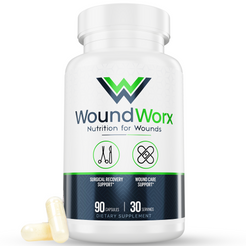
Micronutrients also play a role. Vitamin C, zinc, vitamin D, and other nutrients may be relevant when intake is low or a deficiency is present, but more is not always better. Supplements should support a complete recovery plan, not replace food, medical treatment, or wound care. A purpose-built nutritional formula, such as WoundWorx, may be a practical option for people who need additional nutritional support during recovery, with approval from their healthcare professional.
Daily Foot Care That Helps Prevent Another Wound
Once a diabetic foot ulcer is healing, prevention becomes part of protecting that progress. The best routine is one you can realistically maintain every day.
Wash feet gently with lukewarm water and mild soap, then dry carefully, especially between the toes. Use your hand or elbow to check water temperature first if numbness makes it difficult to feel heat. Moisturize dry, cracked skin on the tops and bottoms of the feet, but avoid putting cream between the toes, where excess moisture can contribute to skin breakdown.
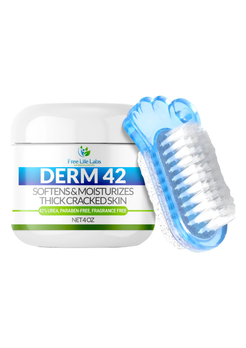
Severe dryness and fissures deserve attention. Cracked heels can become openings for bacteria, particularly when sensation or circulation is reduced. A maximum-strength urea cream can soften very dry, thick foot skin, but it should not be applied inside an open ulcer unless a clinician directs otherwise. Open wounds need their own treatment plan.
Shoes matter as much as skin care. Choose well-fitting shoes with enough room in the toe box and no rough seams that rub. Inspect the inside before putting them on. A folded sock, small pebble, loose insole, or exposed seam may go unnoticed by a numb foot and create a new pressure injury. Wear clean, dry socks and avoid walking barefoot, even at home.
Questions to Bring to the Appointment
A clear conversation helps people follow through with care. Ask where the pressure is coming from, how much weight-bearing is safe, what dressing changes are needed, and how often the wound should be reassessed. It is also reasonable to ask whether circulation testing is needed and what signs should trigger an urgent call.
If you live alone or have trouble seeing or reaching your feet, tell the care team. Practical barriers matter. You may need a mirror, home-health support, a family member’s help, easier-to-use footwear, or a dressing routine that fits your mobility. The most effective plan is not simply the one written on paper. It is the one you can carry out consistently.
Healing Is Measured in Progress, Not Guesswork
Healing timelines vary. A shallow ulcer with good circulation and reliable offloading may improve steadily, while a deeper wound, infection, poor blood sugar control, or peripheral artery disease can make recovery more complex. That does not mean progress is out of reach. It means the plan may need adjustment.
Keep follow-up visits, even if the wound looks better. Take note of drainage, odor, redness, swelling, and changes in the skin around the area. Your clinical team may measure the wound over time, and those measurements are more reliable than judging by appearance alone.
A diabetic ulcer can feel frightening, especially when it interrupts work, sleep, or the ability to move freely. But prompt clinical care, disciplined pressure relief, daily foot protection, and nutrition that supports repair can give your body a stronger path forward. Each careful choice is a step toward getting back on your feet and living with more comfort and confidence.