Nausea From GLP-1: What Helps and When to Call
Share
For many people, nausea from GLP-1 medication is the side effect that gets in the way of an otherwise promising weight-loss plan. It can turn a few bites of food into a full feeling, make morning routines difficult, and leave you wondering whether your body will adjust. The good news is that nausea is common, often improves with time, and can frequently be managed with practical changes and support from your prescriber.
GLP-1 medicines work in part by slowing how quickly food moves out of the stomach and by affecting appetite signals in the brain. Those effects can support weight loss, but they can also make large meals, rich foods, or eating too quickly feel much harder than they used to. Relief is usually less about pushing through and more about working with your medication, your appetite, and your body’s new limits.
Why Nausea From GLP-1 Happens
GLP-1 medications can make you feel full sooner and for longer. When food stays in the stomach longer, overeating or choosing high-fat foods may trigger nausea, bloating, reflux, or discomfort. Nausea is especially common when you first start treatment or when your dose increases, because your digestive system is adapting.
The experience varies widely. One person may feel mildly queasy for a day after an injection, while another may struggle to eat enough for several days. Dose, meal size, food choices, hydration, other medications, and conditions such as reflux or diabetes-related delayed stomach emptying can all play a role.
Nausea does not necessarily mean the medication is wrong for you. But it does deserve attention. Persistent nausea can lead to dehydration, low energy, constipation, inadequate protein intake, and missed nutrients that matter for muscle, bone, and healthy recovery.
Practical Ways to Ease GLP-1 Nausea
Start by making meals smaller than you think you need. A full plate may have worked before treatment, but now a few ounces of protein, a small serving of carbohydrate, and a little produce may be more comfortable. Eat slowly, pause between bites, and stop at the first sign of fullness. Trying to finish a meal after you feel full is a common reason nausea gets worse.
Choose foods that are simple and gentle when symptoms are active. Dry toast, crackers, rice, oatmeal, bananas, applesauce, soup, yogurt, eggs, and lean proteins are often easier to tolerate than fried foods, heavy sauces, pizza, pastries, or rich desserts. Cold foods may also be easier than hot foods because they have less aroma.
Avoid lying down soon after eating. Staying upright for at least two to three hours can reduce reflux and help food move more comfortably through the stomach. A short, easy walk after a small meal may help some people feel better, provided they are not dizzy or weak.
Hydration matters, but large glasses of liquid with meals can create more stomach pressure. Sip fluids steadily throughout the day instead. Water is a good foundation, and clear broths or electrolyte beverages may be useful if you have had vomiting or are struggling to keep fluids down. Limit alcohol, which can irritate the stomach and worsen dehydration.
It can also help to separate drinking from eating. Try sipping fluids between meals rather than washing down each bite. If plain water feels unappealing, try it chilled or add a splash of a non-acidic flavor you tolerate well.
Protect Nutrition When Appetite Is Low
Weight loss is not the same as healthy nourishment. With a smaller appetite, it becomes easier to under-eat protein and essential nutrients without realizing it. That can contribute to fatigue, muscle loss, weakness, and slower recovery from illness, injury, or surgery.
Make protein a priority whenever your stomach is most settled. For some people, that is breakfast. For others, it may be a light afternoon meal. Soft, lower-fat options such as Greek yogurt, cottage cheese, eggs, a simple protein shake, or tender chicken may be more manageable than a large steak or a greasy meal.
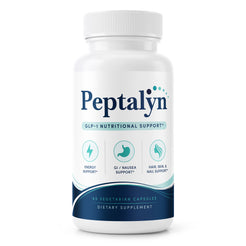
A complete nutritional supplement designed for people using GLP-1 medications may help fill common gaps on days when food intake is low. Peptalyn is formulated to provide targeted nutritional support for people taking GLP-1 drugs, but it should support a balanced eating plan, not replace the guidance of your healthcare professional.
Constipation can make nausea worse, too. If bowel movements become less frequent or difficult, discuss it with your prescriber. Fluids, gradual fiber intake, gentle movement, and a clinician-recommended bowel plan may improve both comfort and appetite. Increasing fiber too quickly when you are already nauseated can backfire, so go slowly.
Consider Your Injection-Day Routine
Some people notice a predictable pattern after their weekly dose. Keeping a simple record of when nausea starts, what you ate, hydration, bowel movements, and other symptoms can help you and your prescriber spot triggers.
There is no single best injection day for everyone. Some people prefer dosing before a quieter day, while others want to avoid taking it before a workday or travel. Ask your prescriber before changing the timing of your dose. Do not take extra medication, skip doses, or change the dose schedule on your own to manage symptoms.
If you are increasing to a new dose and nausea becomes disruptive, contact the clinician who prescribed it. Some people need more time at a lower dose before moving up. Others may need a different treatment plan. Effective care is not about reaching the highest dose as quickly as possible. It is about finding an approach you can tolerate while maintaining adequate nutrition and hydration.
When Nausea Needs Medical Attention
Mild nausea that improves with smaller meals and time is common. Severe, persistent, or worsening symptoms are different. Contact your prescriber promptly if nausea keeps you from drinking enough, prevents you from eating for more than a day, or continues beyond the adjustment period.
Seek urgent medical care for severe or persistent abdominal pain, especially pain that may move to the back; repeated vomiting; fever; fainting; confusion; signs of dehydration such as very dark urine or barely urinating; yellowing of the skin or eyes; or black or bloody stools. These symptoms may point to a problem that needs immediate evaluation rather than routine side-effect management.
Also let your clinician know about new trouble swallowing, severe heartburn, ongoing constipation with abdominal swelling, or symptoms that interfere with diabetes management. If you use insulin or certain diabetes medicines alongside a GLP-1 medication, reduced food intake can affect blood sugar. Your healthcare team may need to adjust your plan safely.
A More Comfortable Path Forward
The goal is not to force yourself to eat large meals or ignore symptoms. It is to create a routine that supports weight-loss treatment without sacrificing strength, hydration, or quality of life. Small meals, slower eating, simple foods, steady fluids, and early communication with your prescriber can make a meaningful difference.
Give your body room to adjust, but do not accept ongoing misery as the price of treatment. When nausea is addressed early and nutrition stays protected, you are better positioned to keep moving toward a healthier, more comfortable, and more independent life.