Low Energy From GLP-1 and What May Help
Share
That new sense of control around food can feel encouraging at first. But when low energy from GLP-1 leaves you skipping walks, struggling through work, or too tired to prepare a balanced meal, it can take away some of the freedom you hoped weight loss would bring.
Fatigue is a common concern for people taking GLP-1 medications. It is not always caused by the medication alone. More often, it is the result of eating much less than usual, drinking too little, losing muscle along with body fat, or pushing through nausea without getting enough nutrition. The good news is that these problems are often addressable with a few practical adjustments and guidance from your prescribing clinician.
Why Low Energy From GLP-1 Happens
GLP-1 medications work in part by slowing stomach emptying and reducing appetite. For many people, that is a helpful tool for weight loss or blood sugar management. The trade-off is that meals can become much smaller, less frequent, or harder to tolerate.
When calories drop quickly, the body has less immediate fuel. If protein, carbohydrates, fluids, and key vitamins and minerals also fall short, fatigue can show up as weakness, brain fog, lightheadedness, low motivation, or exercise that suddenly feels much harder than it used to.
Nausea, constipation, vomiting, or diarrhea can make the problem worse. These side effects may limit food and fluid intake, while fluid losses can contribute to dehydration and electrolyte imbalance. For people using insulin or certain diabetes medications alongside a GLP-1, low blood sugar can also cause shakiness, sweating, confusion, and a sudden energy crash.
There is another concern worth taking seriously: rapid weight loss does not always come only from body fat. Without enough protein and resistance-based movement, some muscle loss can occur. Muscle supports strength, balance, mobility, and the ability to stay active as weight changes. Protecting it is part of protecting your independence.
Start With the Basics: Enough Fuel, Not Perfect Meals
Trying to force large meals when your appetite is low usually backfires. Smaller, nutrient-dense meals and snacks are often easier to manage. Think about what you can consistently tolerate, not what looks ideal on paper.
Prioritize protein first whenever you eat. Eggs, Greek yogurt, cottage cheese, fish, chicken, tofu, beans, protein shakes, and other high-protein foods can help you meet your needs in smaller portions. The right amount varies based on body size, age, kidney health, activity level, and medical history, so ask your clinician or a registered dietitian for a personal target.
Then include a source of carbohydrate that sits well with you. Fruit, oatmeal, potatoes, whole-grain toast, rice, beans, or crackers can provide usable energy, especially if you have been relying on very small portions. Pairing carbohydrates with protein can support steadier energy than eating sweets alone.
Healthy fats also help add nutrition without requiring a large volume of food. A little nut butter, avocado, olive oil, seeds, or cheese may make a small meal more satisfying. If fatty foods worsen nausea, use smaller amounts and choose the options you tolerate best.
Make food easier on nausea days
Cold foods, bland foods, and simple textures are often more manageable when nausea is active. A smoothie with protein, yogurt with fruit, soup with chicken or beans, or a piece of toast with eggs may be more realistic than a full dinner.
Eating slowly can help. So can avoiding very large, greasy, or heavily spiced meals if they trigger symptoms. Do not wait until late afternoon to have your first real nutrition of the day. Even a few bites every few hours can be more supportive than trying to catch up at night.
Hydration Can Change How You Feel
Dehydration can look like fatigue. You may notice headache, dry mouth, dizziness when standing, constipation, darker urine, or a racing heartbeat. Because appetite and thirst cues can both feel lower on a GLP-1 medication, drinking on a schedule may work better than waiting until you feel thirsty.
Keep a drink within reach and take small sips regularly. Water is a strong starting point, but fluids with electrolytes may be useful when you have vomiting, diarrhea, heavy sweating, or very low food intake. Ask your care team which options make sense for you if you have kidney disease, heart failure, high blood pressure, or a condition that requires fluid restrictions.
Caffeine can temporarily cover up fatigue, but it cannot replace food, sleep, or hydration. Too much coffee on an empty stomach may also worsen nausea, anxiety, or dehydration. If coffee is part of your routine, have it with food and water rather than using it as breakfast.
Protect Muscle While You Lose Weight
More movement is not always the answer when you are exhausted. Still, gentle and consistent strength work can help preserve muscle as your weight changes. This may be as simple as sit-to-stands from a sturdy chair, resistance bands, light weights, or bodyweight exercises tailored to your abilities.
Start where you are. Two brief sessions a week may be more sustainable than an ambitious routine that leaves you wiped out. Walking remains valuable for circulation, mood, and heart health, but strength-focused movement deserves a place in the plan too.
If you have neuropathy, foot wounds, poor balance, recent surgery, or significant joint pain, get personalized advice before starting new exercise. Safety comes first. The best routine is one that builds confidence and mobility without aggravating symptoms.
Review Your Dose and Other Medications
Fatigue that begins soon after a dose increase may be a signal to contact your prescriber. Your clinician may want to review how much you are eating and drinking, whether side effects are manageable, and whether the timing or pace of dose escalation needs attention. Do not change your dose or stop a prescribed medication on your own.
It is also worth reviewing every medication and supplement you take. Blood pressure medications, diabetes medications, sleep aids, antihistamines, and several other treatments can contribute to tiredness or dizziness. A complete review can help your care team spot combinations that need adjustment.
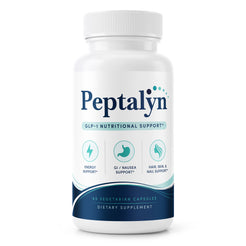
For people who find it difficult to meet nutritional needs through food alone, a purpose-built nutrition supplement may be useful. Peptalyn from Free Life Labs is formulated to support adults using GLP-1 medications, with nutrition designed around common concerns such as reduced food intake and maintaining daily strength. It should complement balanced meals and medical guidance, not replace them.
When Fatigue Needs Prompt Medical Attention
Some tiredness may improve as your body adjusts, but severe or persistent symptoms deserve medical attention. Contact your prescriber promptly if fatigue is interfering with daily life, getting worse, or keeping you from eating and drinking enough.
Seek urgent care for symptoms such as:
- Fainting, severe dizziness, confusion, or difficulty staying awake
- Repeated vomiting or an inability to keep fluids down
- Signs of low blood sugar, including shaking, sweating, or sudden confusion
- Severe abdominal pain, especially pain that does not improve
- Chest pain, shortness of breath, or a rapid or irregular heartbeat
A More Sustainable Way Forward
Successful GLP-1 treatment should support a healthier, more active life, not leave you running on empty. Aim for small meals with protein, steady fluids, manageable movement, and early conversations with your care team when side effects get in the way.
Your body is doing real work as it adjusts. Giving it consistent nutrition and recovery support can help you keep moving toward your goals with more strength, comfort, and freedom in the days that matter.